 English
  Español
  عربى
عربى We are located in Haining City, Zhejiang Province, one of China's famous knitting industrial Bases.
Content
- 1 Understanding the Functional Role of Activewear Fabric
- 2 Key Performance Properties That Define Activewear Fabric
- 3 Common Fiber Types Used in Activewear Fabric Construction
- 4 Fabric Structure and Its Impact on Wear Performance
- 5 Moisture Control and Breathability Mechanisms
- 6 Durability and Long-Term Wear Stability
- 7 Selecting Activewear Fabric for Different Applications
Understanding the Functional Role of Activewear Fabric
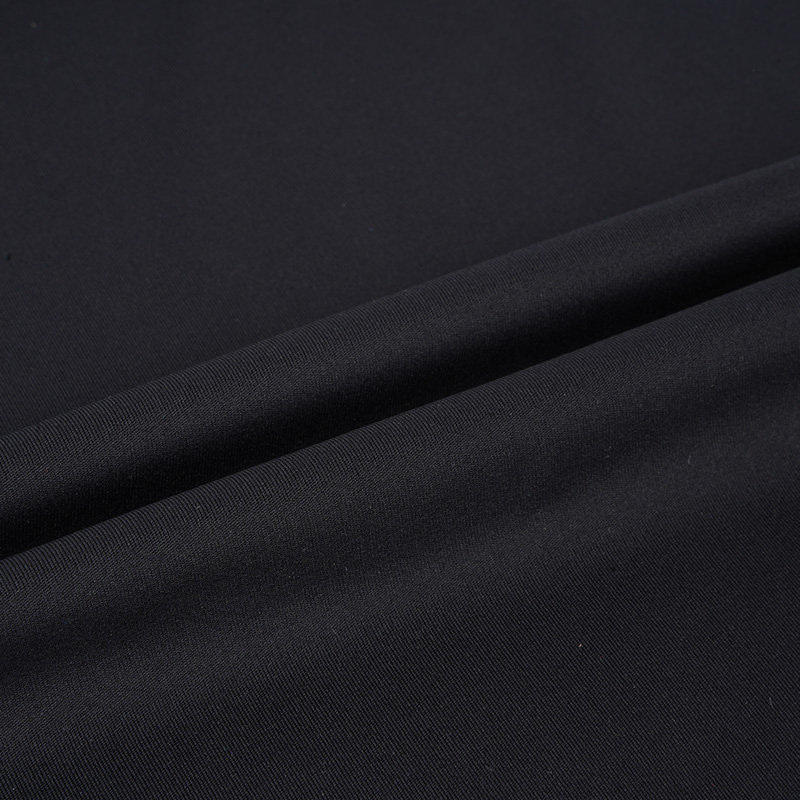
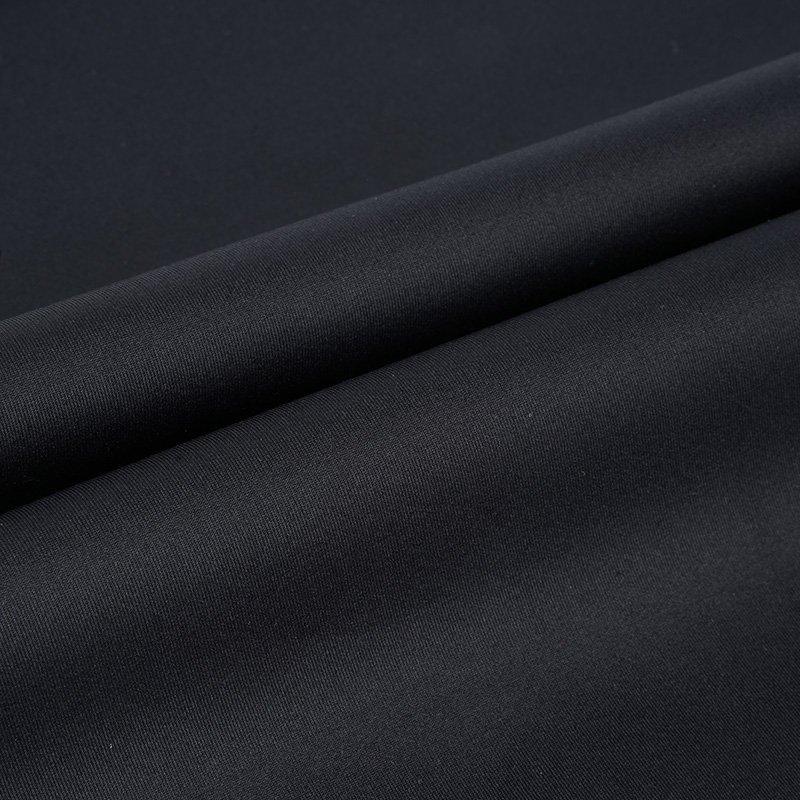
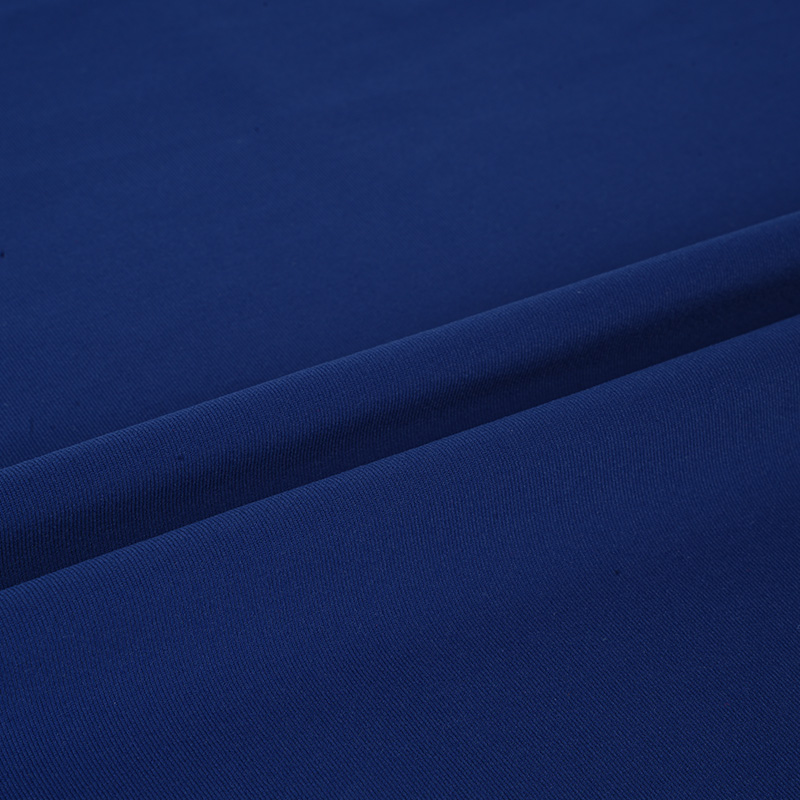
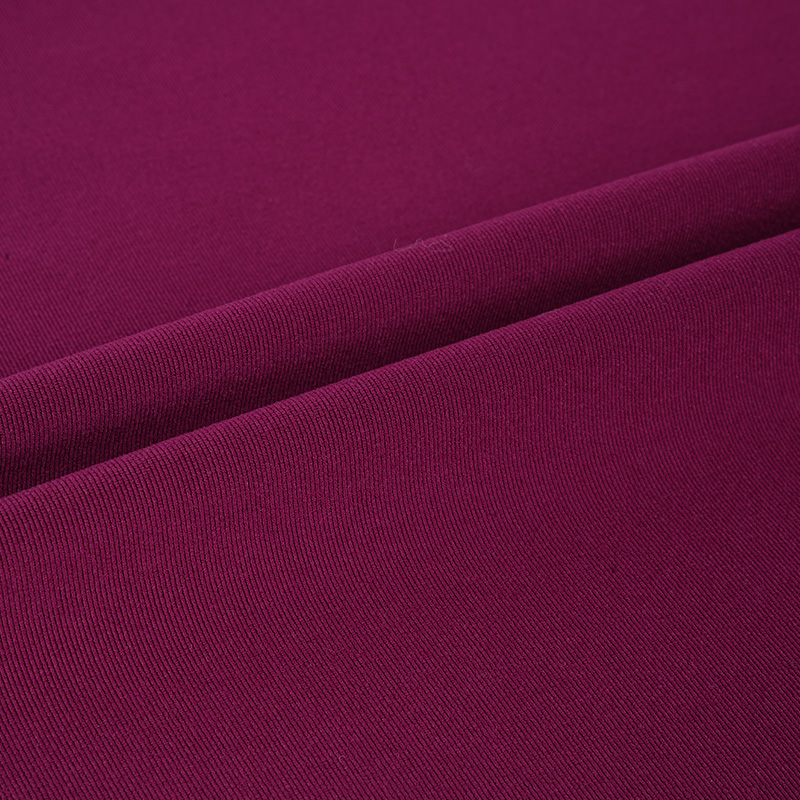
Activewear fabric plays a direct role in how sportswear performs during movement, temperature changes, and prolonged physical activity. Unlike conventional apparel textiles, these fabrics are engineered to respond dynamically to body motion, perspiration, and friction. Fabric selection affects breathability, elasticity, moisture control, and long-term wear stability, making it a core consideration in activewear design rather than a decorative choice.
From high-intensity training to low-impact activities, different performance scenarios demand different fabric behaviors. Compression garments, for example, rely on controlled elasticity and recovery, while yoga or lifestyle activewear places more emphasis on softness, drape, and surface comfort. Understanding these distinctions allows manufacturers and buyers to align fabric properties with actual usage requirements.
Key Performance Properties That Define Activewear Fabric
The effectiveness of activewear fabric is determined by a combination of physical and chemical characteristics. These properties influence not only comfort during wear but also garment longevity and appearance retention after repeated washing and stretching.
- Moisture management capability that supports sweat absorption and evaporation
- Elastic recovery that maintains garment shape after repeated movement
- Air permeability that allows heat dissipation during physical activity
- Surface smoothness to reduce skin irritation and friction
- Dimensional stability under washing, drying, and extended wear
Common Fiber Types Used in Activewear Fabric Construction
Fiber composition directly influences how an activewear fabric behaves under stress, moisture exposure, and temperature variation. Most modern activewear fabrics use synthetic fibers or blended constructions to achieve a balance between durability and comfort.
| Fiber Type | Primary Characteristics | Typical Use Scenarios |
| Polyester | Lightweight, durable, moisture resistant | Training tops, leggings, performance shorts |
| Nylon | Smooth texture, high abrasion resistance | Compression wear, premium activewear |
| Spandex | High elasticity and recovery | Stretch panels, fitted garments |
Fabric Structure and Its Impact on Wear Performance
Beyond fiber selection, fabric structure determines how activewear responds to tension, airflow, and surface contact. Knitted structures dominate activewear fabric production because they provide inherent stretch and flexibility without sacrificing strength.
Warp Knit and Weft Knit Structures
Warp-knit fabrics tend to offer higher dimensional stability and smoother surfaces, making them suitable for compression garments and performance tops. Weft-knit fabrics provide greater stretch in multiple directions, which supports comfort-focused applications such as yoga wear and casual activewear.
Fabric Density and Weight Considerations
Fabric weight affects both thermal regulation and garment opacity. Lightweight activewear fabric supports ventilation and freedom of movement, while medium-weight fabrics enhance coverage and durability. Selecting appropriate density helps balance performance with visual and functional expectations.
Moisture Control and Breathability Mechanisms
Effective moisture control is a defining feature of high-performance activewear fabric. Advanced yarn engineering and surface treatments allow fabrics to transport sweat away from the skin, reducing discomfort and minimizing cooling effects caused by trapped moisture.
Breathability is influenced by both fiber selection and fabric construction. Open-knit structures and micro-perforated surfaces enhance airflow, while hydrophobic fibers prevent excessive moisture retention. These elements work together to maintain a stable microclimate between the fabric and the skin.
Durability and Long-Term Wear Stability
Activewear garments are subjected to frequent washing, stretching, and friction. Fabric durability ensures that performance properties remain consistent over time. Resistance to pilling, color fading, and fiber breakdown is essential for maintaining both function and appearance.
High-quality activewear fabric is engineered to withstand repeated laundering without significant loss of elasticity or surface integrity. This stability supports brand reputation and reduces product replacement frequency for end users.
Selecting Activewear Fabric for Different Applications
Different sports and activity levels place unique demands on fabric behavior. Understanding end-use conditions allows for informed fabric selection that aligns with performance goals rather than aesthetic trends.
- High-intensity training requires moisture control and abrasion resistance
- Low-impact activities benefit from softness and multi-directional stretch
- Outdoor sports demand thermal balance and UV exposure resistance
<h2 style="font-size:22px;font-weight:bol