 English
  Español
  عربى
عربى We are located in Haining City, Zhejiang Province, one of China's famous knitting industrial Bases.
Content
- 1 Core Performance Requirements of Activewear Fabric
- 2 Common Fiber Blends Used in Activewear Fabric
- 3 Moisture Management and Breathability Mechanisms
- 4 Stretch, Recovery, and Compression Performance
- 5 Durability, Abrasion Resistance, and Color Stability
- 6 Sustainability Trends in Activewear Fabric Development
- 7 Selecting the Right Activewear Fabric for Different Sports
Core Performance Requirements of Activewear Fabric
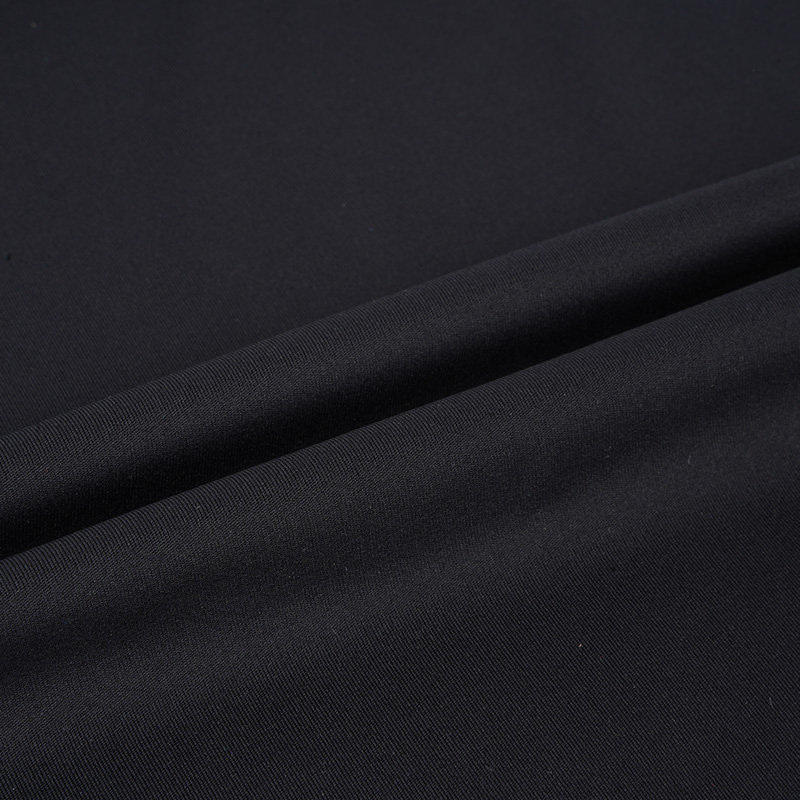
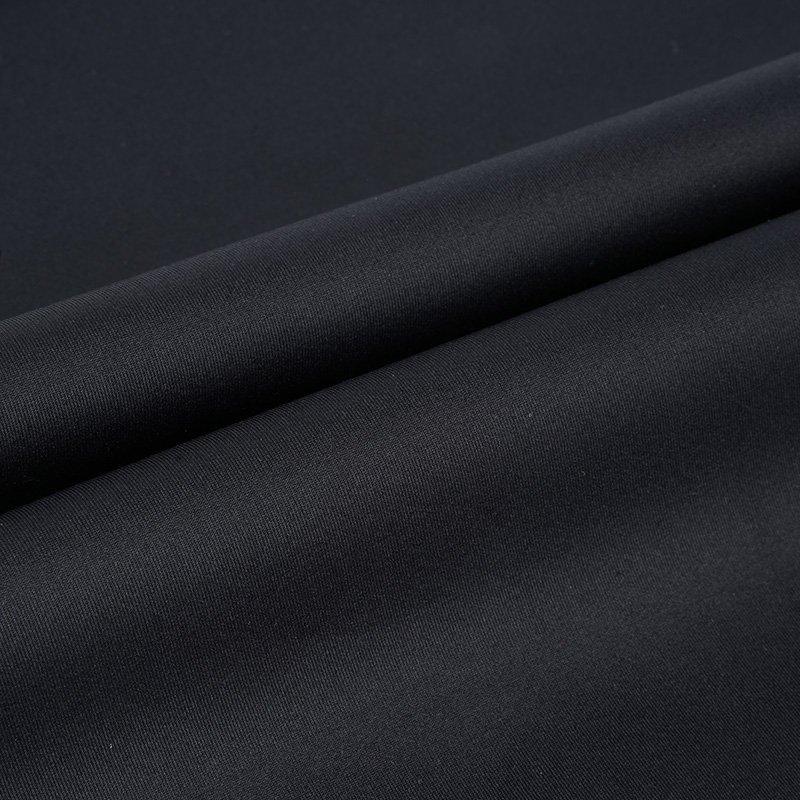
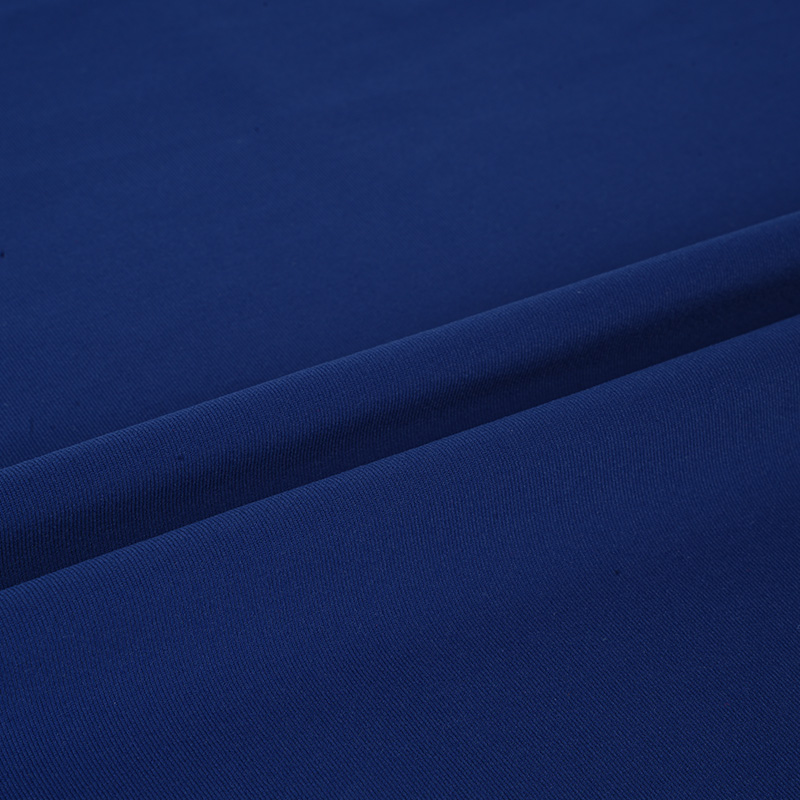
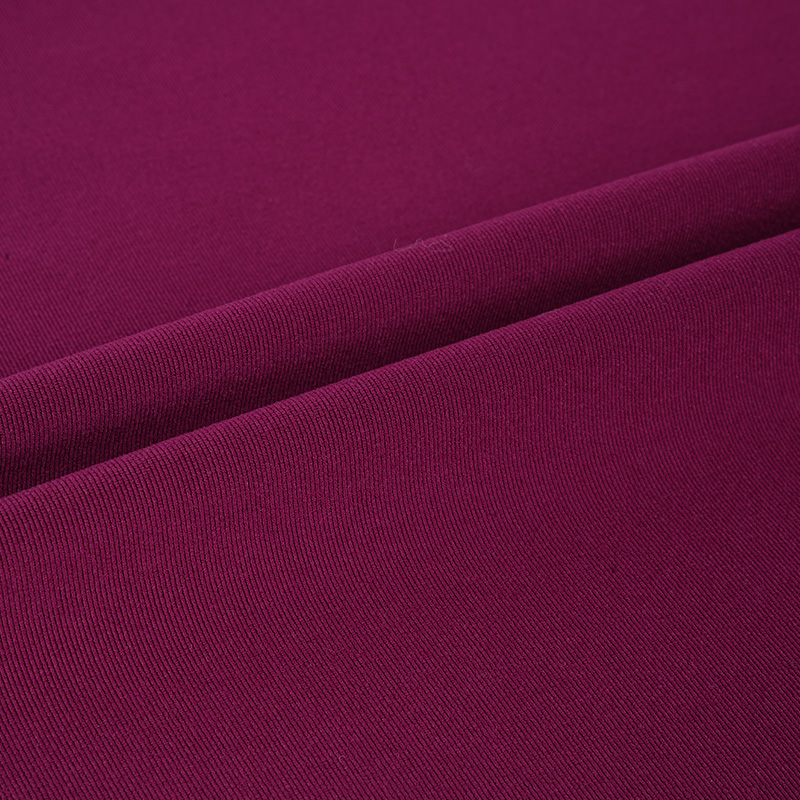
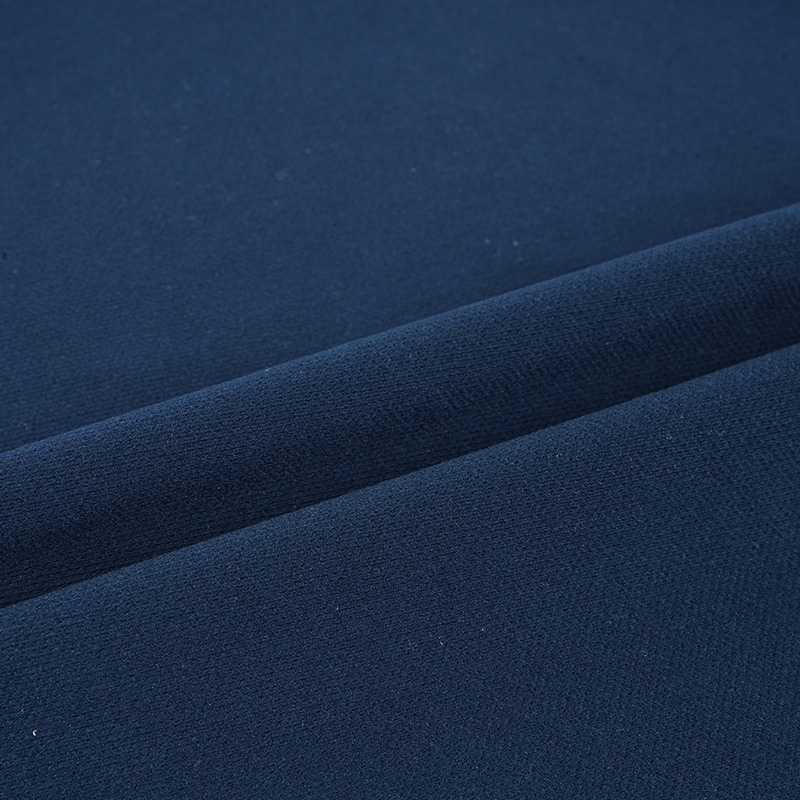
Activewear fabric is engineered to support movement, regulate body temperature, and manage moisture during physical activity. Unlike conventional apparel textiles, performance fabrics used in sportswear must balance elasticity, breathability, and structural recovery. The fiber composition and fabric construction directly influence how the material responds to sweat, friction, and repeated stretching.
Key functional expectations include moisture wicking, fast drying, four-way stretch capability, and resistance to deformation. In high-intensity training environments, fabric weight and knit density also determine comfort and ventilation efficiency.
Common Fiber Blends Used in Activewear Fabric
Most activewear fabrics are made from synthetic fibers or blended compositions to achieve specific mechanical and moisture management properties. Polyester and nylon are widely used as base fibers due to their durability and lightweight structure. Spandex is commonly added to provide stretch and recovery performance.
- Polyester blends for moisture control and color retention
- Nylon blends for softness and abrasion resistance
- Spandex integration for elasticity and shape recovery
- Recycled synthetic fibers for sustainable production goals
Fiber selection impacts not only comfort but also long-term durability under repeated washing and stretching cycles.
Moisture Management and Breathability Mechanisms
Wicking Structure and Capillary Action
Activewear fabric often features engineered yarn cross-sections or micro-channel surfaces that promote capillary action. This structure pulls moisture away from the skin and distributes it across the fabric surface for faster evaporation. Effective moisture transport reduces skin irritation and maintains thermal balance during exercise.
Mesh Panels and Knit Density
Breathability is influenced by knit construction and ventilation zones. Warp knit fabrics provide durability and compression, while circular knit fabrics offer enhanced stretch and softness. Strategic mesh panels in high-heat zones improve airflow without compromising garment integrity.
Stretch, Recovery, and Compression Performance
Elastic recovery is essential in leggings, training tops, and compression garments. Four-way stretch fabrics allow movement in multiple directions, supporting dynamic motion such as squats, lunges, and running strides. Compression fabrics are engineered with higher spandex ratios and denser knit structures to provide muscle support and reduce vibration during activity.
Proper stretch balance prevents fabric sagging and ensures consistent fit after repeated wear. Testing parameters such as elongation percentage and recovery rate are used to evaluate fabric performance before large-scale garment production.
Durability, Abrasion Resistance, and Color Stability
Activewear fabric must withstand friction from equipment, repeated laundering, and prolonged exposure to sweat. Nylon-based fabrics generally offer higher abrasion resistance, making them suitable for high-contact sports. Polyester fibers maintain color vibrancy due to solution-dyed processes that lock pigment into the fiber structure.
| Performance Factor | Fabric Influence |
| Abrasion Resistance | Higher in nylon-rich blends |
| Color Retention | Strong in solution-dyed polyester |
| Pilling Resistance | Improved through tight knit construction |
| Shape Retention | Dependent on spandex percentage and fabric density |
Sustainability Trends in Activewear Fabric Development
The development of activewear fabric increasingly incorporates recycled polyester, bio-based nylon alternatives, and water-saving dyeing technologies. Manufacturers are adjusting yarn production methods to reduce carbon emissions and chemical discharge while maintaining mechanical performance standards.
Blending recycled fibers with high-performance elastomers requires careful engineering to ensure stretch recovery and durability remain consistent with performance benchmarks. Lifecycle testing, including wash durability and tensile strength evaluation, supports sustainable fabric adoption without compromising quality.
Selecting the Right Activewear Fabric for Different Sports
Different physical activities demand distinct fabric characteristics. Running apparel prioritizes lightweight breathability and moisture dispersion. Yoga garments require soft hand feel and flexible stretch. High-impact training gear benefits from compression and reinforced abrasion resistance.
Evaluating fiber blend ratio, knit structure, weight per square meter, and elasticity profile ensures the activewear fabric aligns with intended athletic use. By combining technical performance with durable construction, modern activewear fabrics support both comfort and long-term wear in demanding training environments.