 English
  Español
  عربى
عربى We are located in Haining City, Zhejiang Province, one of China's famous knitting industrial Bases.
Content
Introduction to Interlock Fabric Care
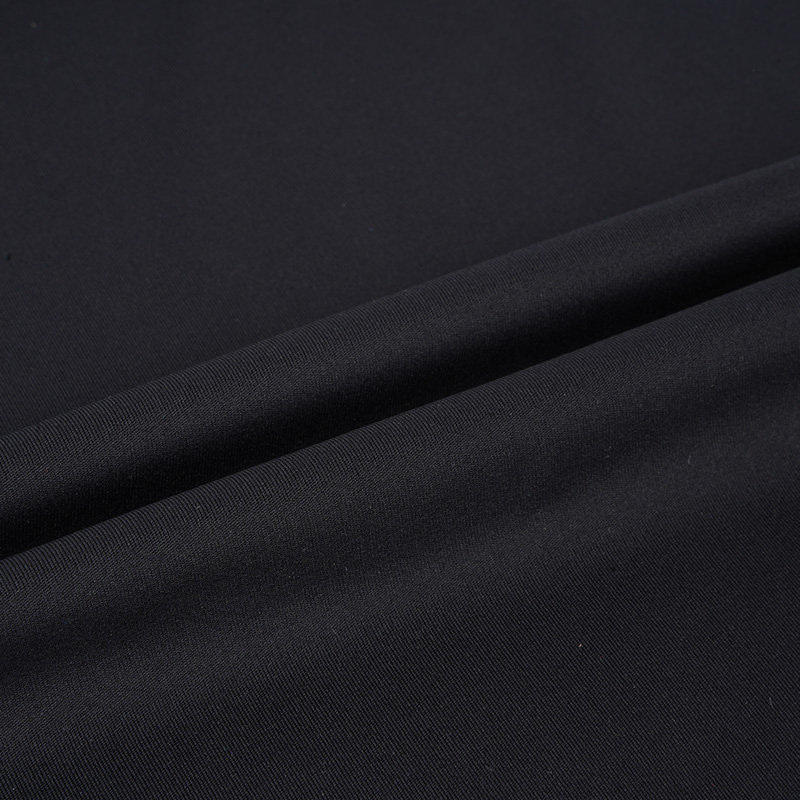
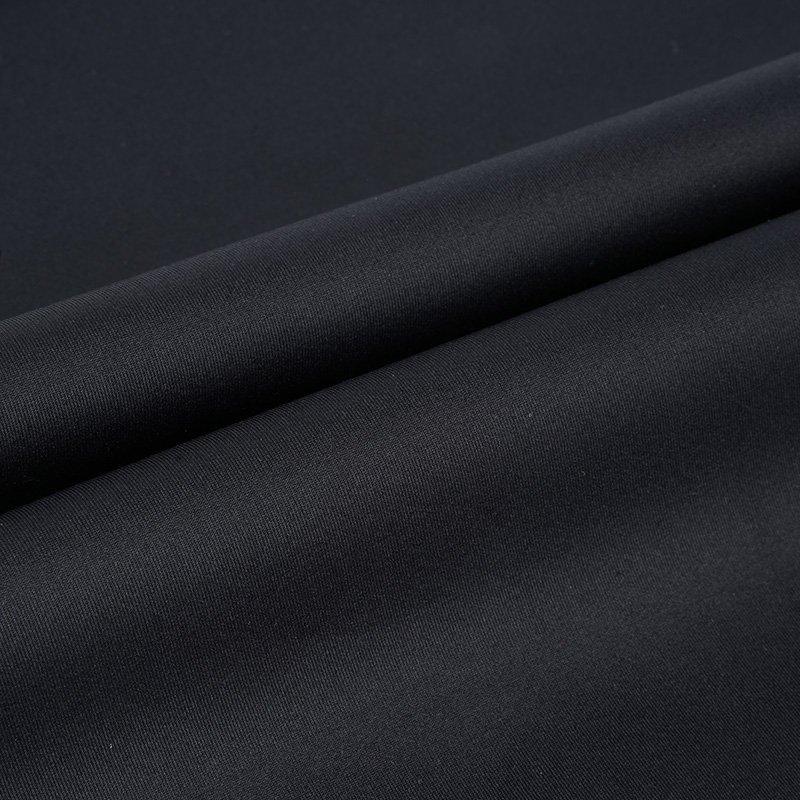
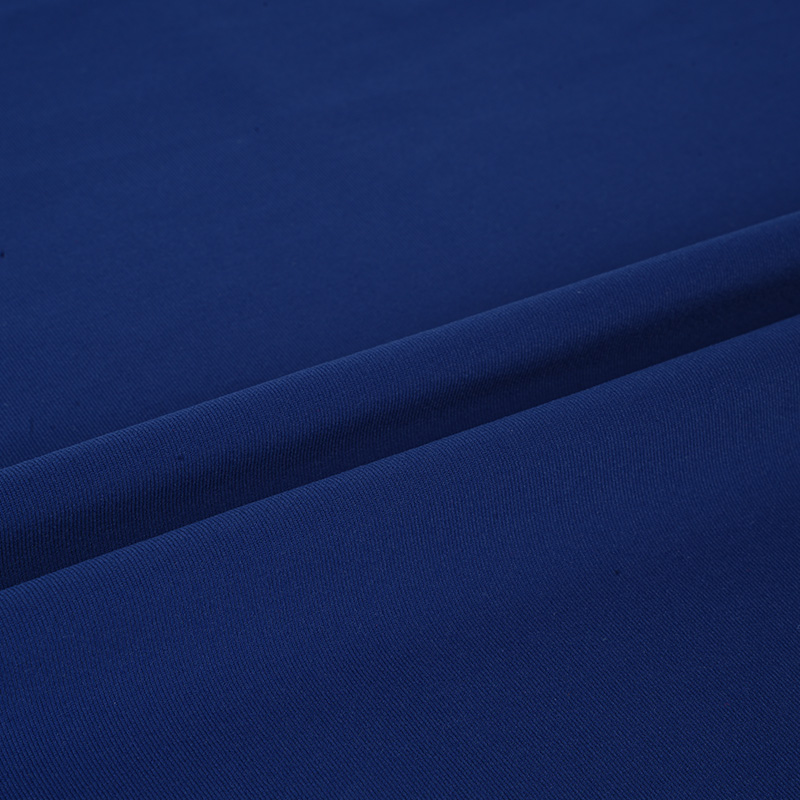
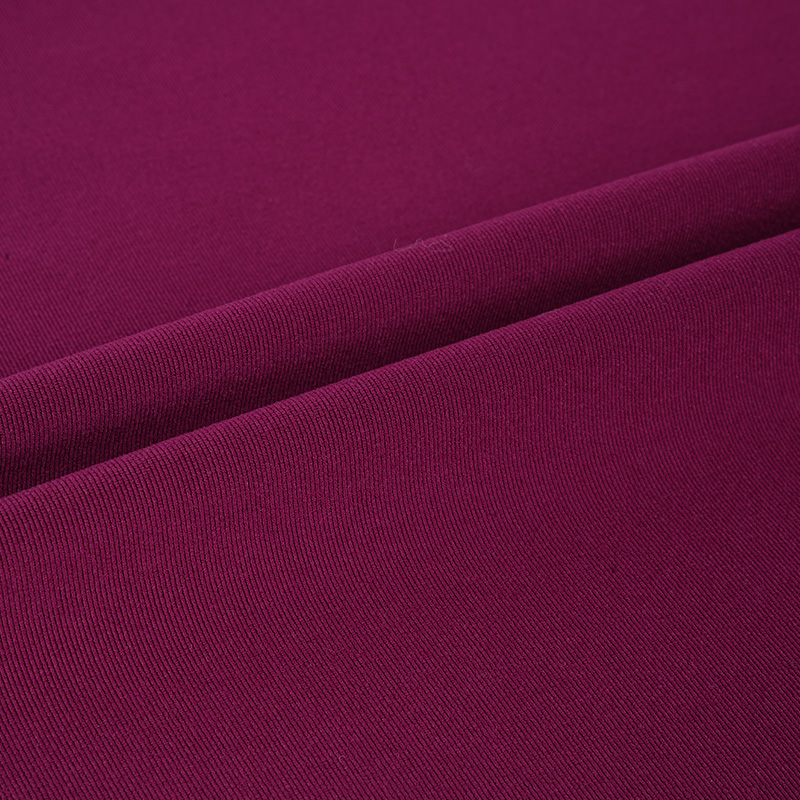
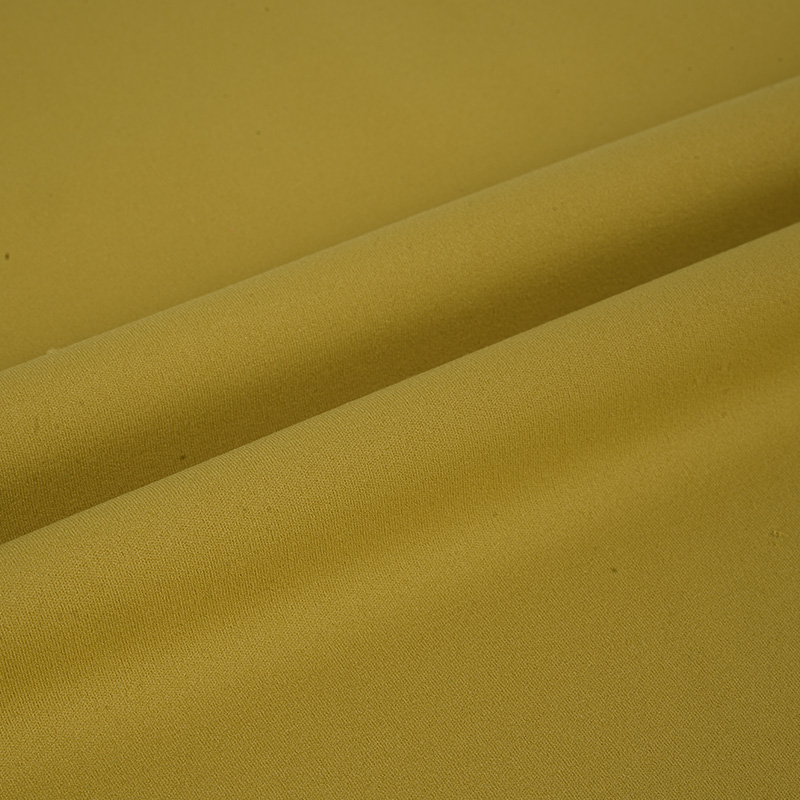
Interlock fabric is a versatile knit textile known for its smooth surface, stretchability, and durability. Commonly used in t-shirts, activewear, and baby clothing, interlock fabric requires proper care to maintain its softness, shape, and longevity. Understanding the best practices for cleaning, drying, and storing interlock fabric can prevent damage and preserve its quality over time.
Washing Interlock Fabric
Washing is one of the most important steps in maintaining interlock fabric. Using the correct water temperature, detergents, and washing techniques can help avoid shrinking, pilling, and color fading.
Water Temperature
Interlock fabrics, especially those made from cotton or cotton blends, should generally be washed in cold or lukewarm water. High temperatures can cause the fibers to shrink or weaken, reducing the fabric’s lifespan and elasticity.
Detergents
Choose mild, liquid detergents to clean interlock fabrics. Harsh detergents or bleach can damage the fibers and cause color fading. For delicate or brightly colored interlock fabrics, consider detergents specifically formulated for sensitive or colored textiles.
Washing Methods
Gentle washing cycles are recommended for interlock fabrics. Whether using a washing machine or hand-washing, avoid excessive agitation, which can stretch or distort the knit structure. Turning garments inside out can also protect the surface and reduce friction.
Drying and Ironing Tips
Proper drying and ironing methods help preserve the shape, softness, and durability of interlock fabric. Avoiding high heat and direct exposure can prevent fiber damage.
Air Drying
Air drying is the preferred method for interlock fabrics. Lay the garment flat on a clean surface to prevent stretching and maintain the original shape. Hanging heavy interlock garments can lead to distortion due to gravity.
Machine Drying
If machine drying is necessary, use a low-heat or delicate setting. Remove the fabric promptly once the cycle ends to minimize wrinkling and prevent excessive shrinkage.
Ironing
Interlock fabrics generally do not require heavy ironing due to their smooth finish. If ironing is needed, use a low to medium heat setting and place a thin cloth between the iron and the fabric to avoid shine or fiber damage.
Storage Practices for Interlock Fabric
Proper storage of interlock garments helps maintain their structure, softness, and appearance over time. Folding and storing in appropriate conditions reduces stretching and creasing.
Folding vs. Hanging
Folding interlock garments is generally better than hanging, as hanging can cause stretching at the shoulders or neckline. Use smooth folds and avoid placing heavy items on top of folded fabrics to prevent permanent creases.
Climate Considerations
Store interlock fabrics in a cool, dry environment to prevent mold, mildew, and moisture-related damage. Avoid exposure to direct sunlight for prolonged periods, as UV rays can fade colors and weaken fibers.
Common Issues and Solutions
Even with proper care, interlock fabrics may face certain challenges. Understanding these issues and their solutions helps extend fabric longevity.
| Issue | Cause | Solution |
| Pilling | Friction during washing or wear | Use gentle washing, wash inside out, and avoid harsh surfaces |
| Shrinkage | High water or drying temperature | Wash in cold water, air dry, or use low-heat machine drying |
| Loss of Shape | Hanging heavy garments or improper storage | Fold garments, store flat, and avoid stacking heavy items |
| Color Fading | Sunlight or harsh detergents | Use mild detergents, wash in cold water, store away from sunlight |
Conclusion
Caring for interlock fabric requires attention to washing, drying, ironing, and storage methods. By following the recommended practices, you can preserve the fabric’s softness, stretchability, and vibrant colors. Proper care not only extends the life of interlock garments but also ensures they maintain their appearance and comfort for years of use.