 English
  Español
  عربى
عربى We are located in Haining City, Zhejiang Province, one of China's famous knitting industrial Bases.
Content
Introduction to Gym Fabric
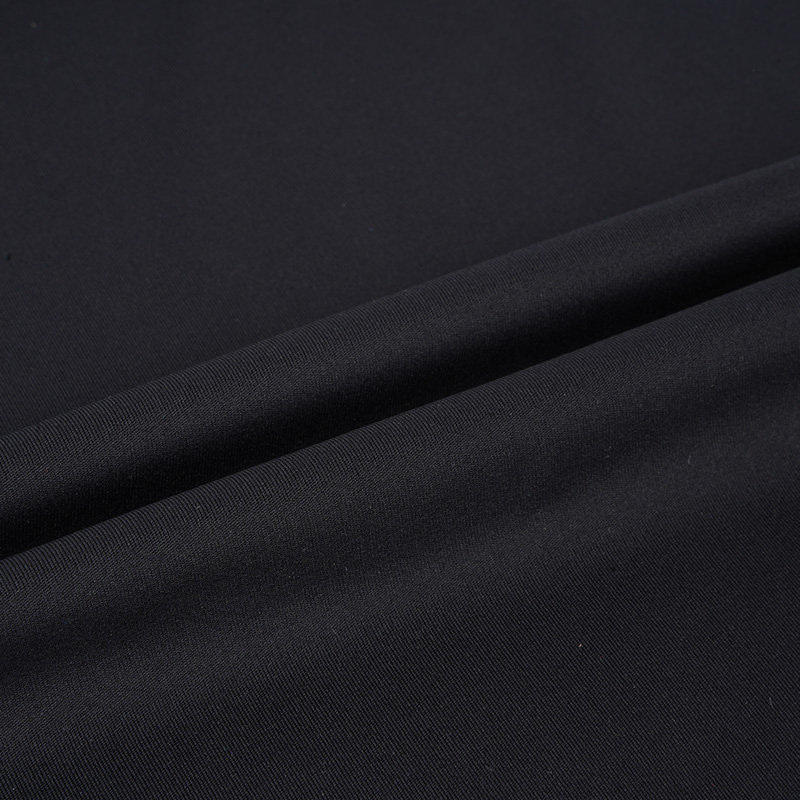
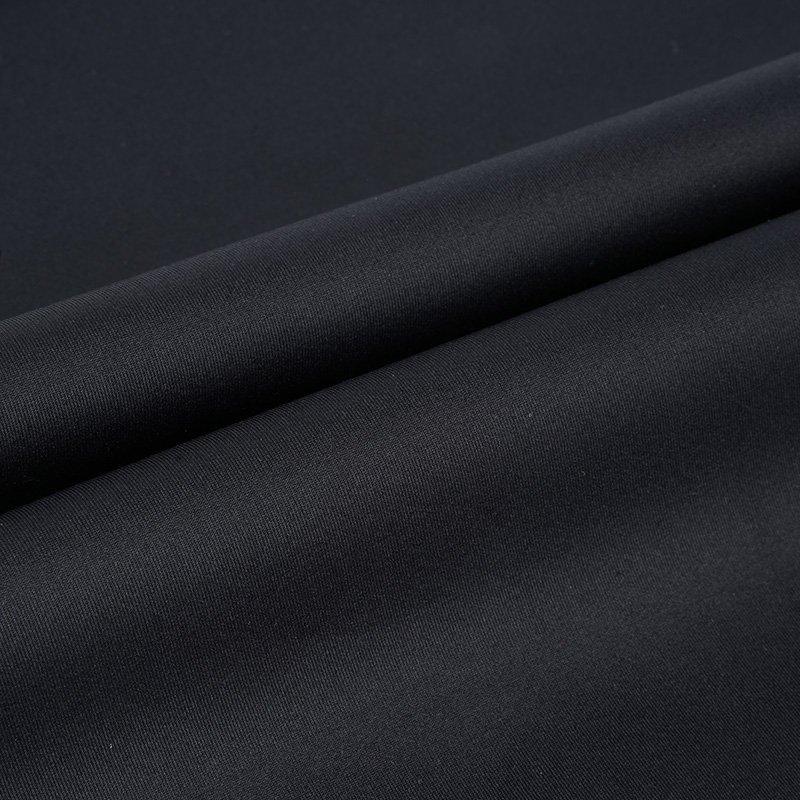
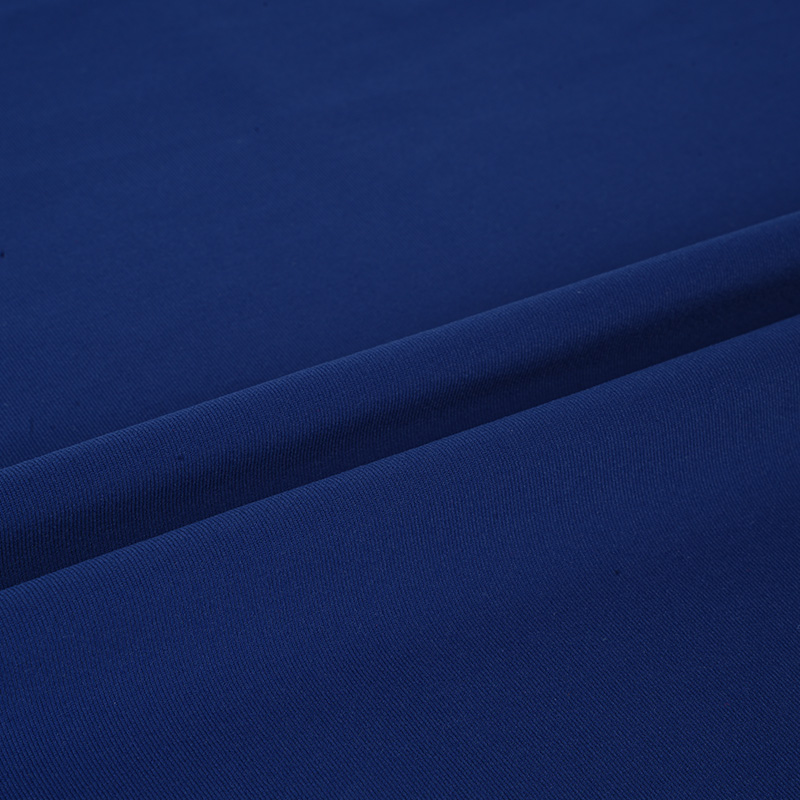
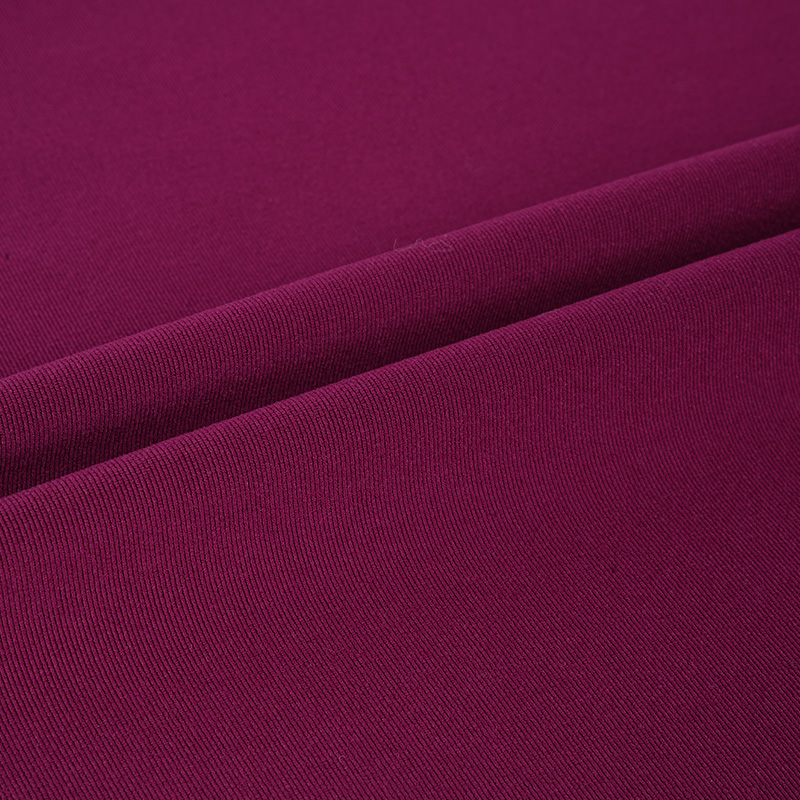
Gym fabric is a specialized type of textile engineered for athletic and activewear applications. Unlike regular fabric, which is often designed primarily for appearance and comfort in everyday clothing, gym fabric focuses on performance, durability, and moisture management. The materials used in gym fabric are carefully selected to optimize flexibility, breathability, and resistance to wear, ensuring that garments support both intense workouts and prolonged use.
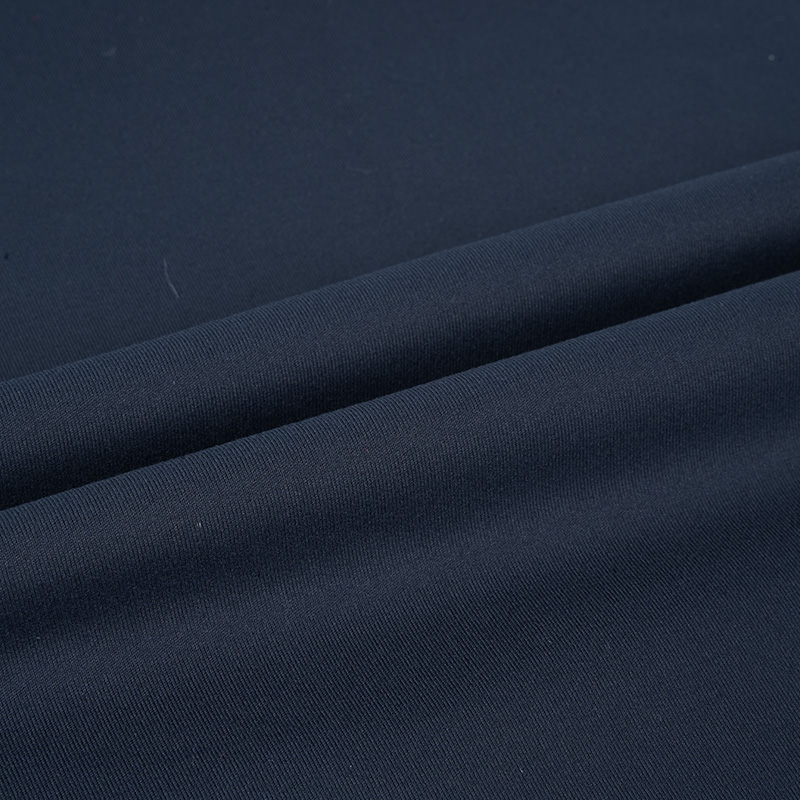
Key Differences Between Gym Fabric and Regular Fabric
Understanding the differences between gym fabric and standard textiles is essential for anyone involved in athletic apparel design, sports training, or personal fitness. These differences primarily relate to performance properties, material composition, and functional benefits.
Material Composition
Gym fabrics typically incorporate synthetic fibers such as polyester, nylon, and spandex, either individually or in blended forms. These fibers are chosen for their strength, elasticity, and moisture-wicking capabilities. Regular fabrics, by contrast, often consist of natural fibers like cotton or wool, which provide comfort and softness but lack the technical performance required for activewear.
Moisture Management
One of the most critical differences is the ability to manage sweat and moisture. Gym fabrics are engineered to wick sweat away from the skin, keeping the wearer dry and reducing the risk of chafing or discomfort during exercise. Regular fabrics such as cotton absorb moisture but retain it, which can lead to a heavy, damp feeling and decreased comfort during workouts.
Flexibility and Stretch
Athletic performance often requires a full range of motion, which gym fabrics provide through elasticity and stretch recovery. Materials like spandex or elastane allow gym wear to move with the body while returning to their original shape after stretching. Regular fabrics typically lack this level of flexibility, which can restrict movement and reduce performance during physical activity.
Durability and Wear Resistance
Gym fabrics are designed to withstand repeated mechanical stress, washing, and exposure to friction. Synthetic fibers used in gym textiles resist pilling, tearing, and fading, ensuring longevity in high-use environments such as gyms or sports fields. Regular fabrics, while often durable for casual use, can degrade more quickly under similar conditions.
Performance Features of Gym Fabric
The specialized nature of gym fabric provides several key performance benefits that regular fabrics cannot match. These include comfort, temperature regulation, odor control, and support during high-intensity activities.
Breathability and Temperature Regulation
Gym fabrics are engineered with open or mesh structures to improve airflow and dissipate heat generated during exercise. This design helps maintain a stable body temperature, enhancing endurance and comfort. Regular fabrics, especially dense weaves like denim or cotton, tend to trap heat, making them unsuitable for rigorous activity.
Odor Control
Many gym fabrics incorporate antimicrobial treatments or synthetic fibers that resist bacterial growth. This reduces the development of unpleasant odors even after intense workouts. Regular fabrics usually lack this functionality, requiring more frequent washing and potentially limiting their use in repeated activity sessions.
Compression and Support
Some gym fabrics offer built-in compression, providing support to muscles and reducing fatigue. This can improve circulation and enhance performance, particularly in running, weightlifting, or high-intensity interval training. Regular fabrics rarely offer this level of structural support.
Comparative Overview Table
| Feature | Gym Fabric | Regular Fabric |
|---|---|---|
| Material | Synthetic blends (polyester, spandex, nylon) | Natural fibers (cotton, wool) |
| Moisture Management | Wicks sweat away from skin | Absorbs and retains moisture |
| Stretch & Flexibility | High elasticity with recovery | Limited stretch |
| Durability | High resistance to wear and pilling | Moderate, may degrade under stress |
| Odor Control | Antimicrobial properties | No special treatment |
Conclusion
The distinction between gym fabric and regular fabric is critical for anyone designing, purchasing, or wearing athletic clothing. Gym fabrics provide superior moisture management, elasticity, durability, and odor control, enabling enhanced performance and comfort during physical activity. Regular fabrics, while suitable for casual wear, cannot meet the technical demands of high-intensity workouts. Selecting gym-specific textiles ensures that activewear supports both performance goals and long-term garment longevity.