 English
  Español
  عربى
عربى We are located in Haining City, Zhejiang Province, one of China's famous knitting industrial Bases.
Content
- 1 What Is CY320 Yoga Fabric and Why It Works So Well for Activewear
- 2 Technical Properties of CY320 That Affect Garment Construction
- 3 Tools and Equipment You Need Before You Start
- 4 Selecting and Adjusting Patterns for CY320 Fabric
- 5 Step-by-Step Guide to Cutting CY320 Fabric Accurately
- 6 Sewing Seams and Constructing the Garment
- 7 Constructing Waistbands and Leg Openings for Yoga Leggings
- 8 Care Instructions for CY320 Yoga Garments
What Is CY320 Yoga Fabric and Why It Works So Well for Activewear
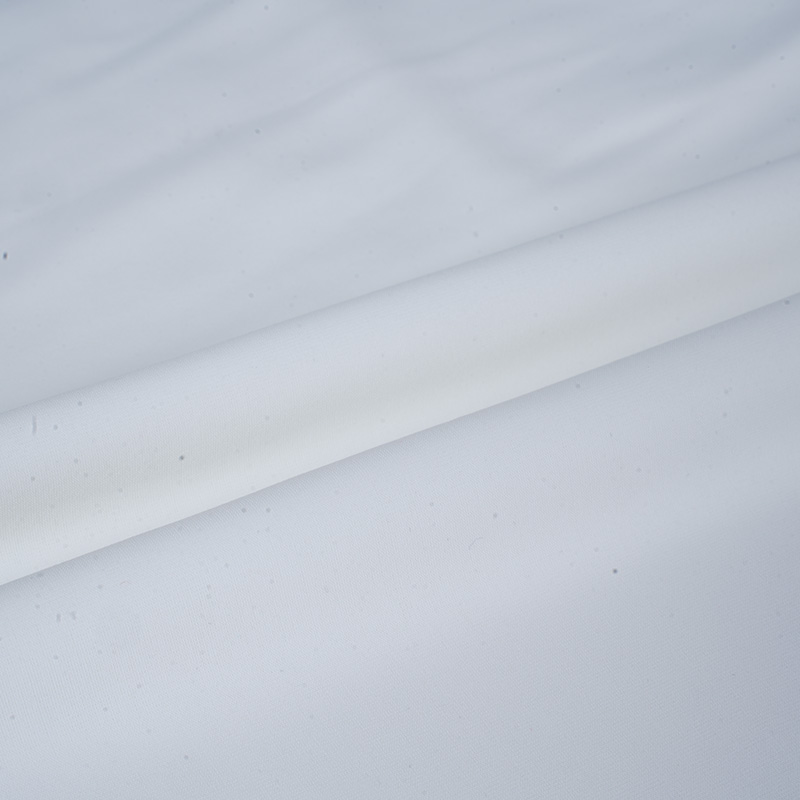
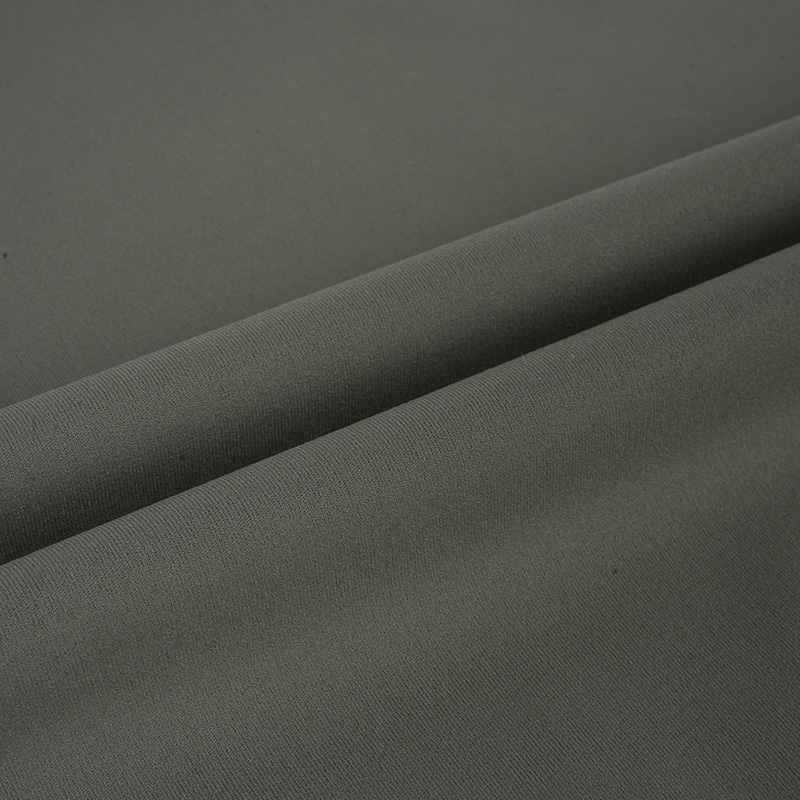
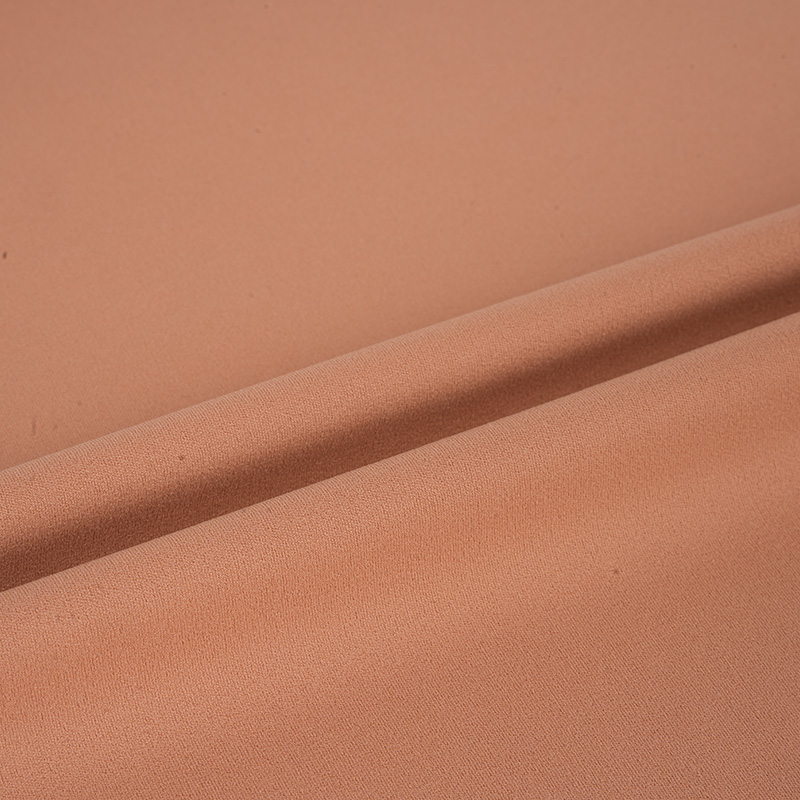
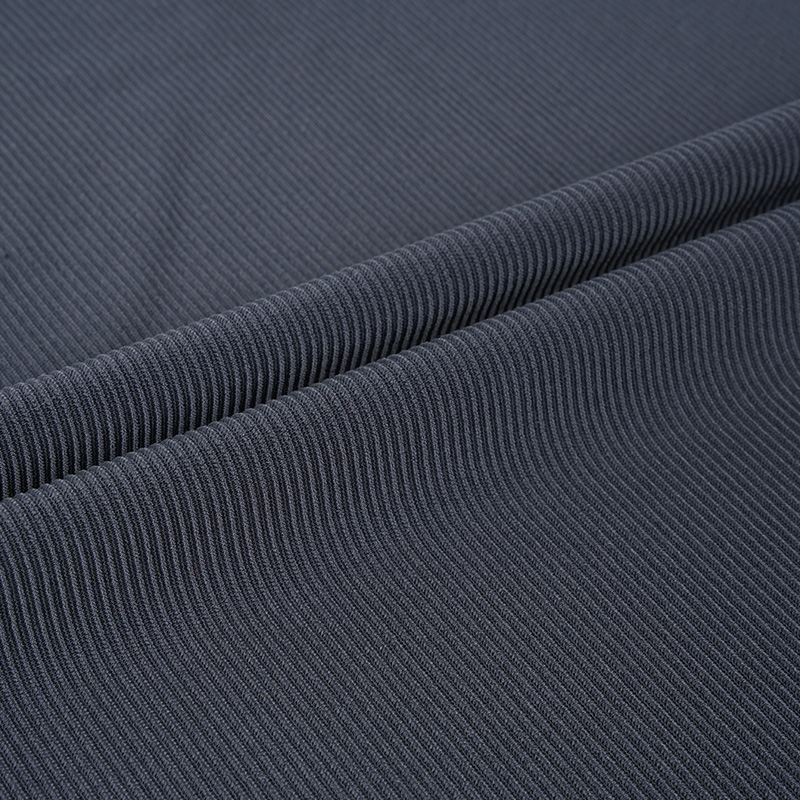
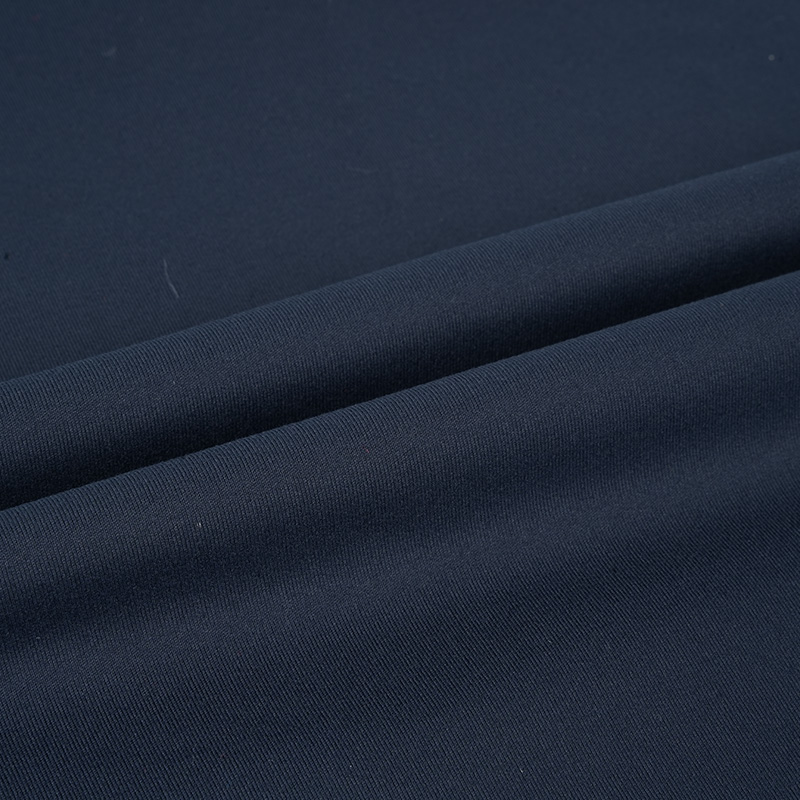
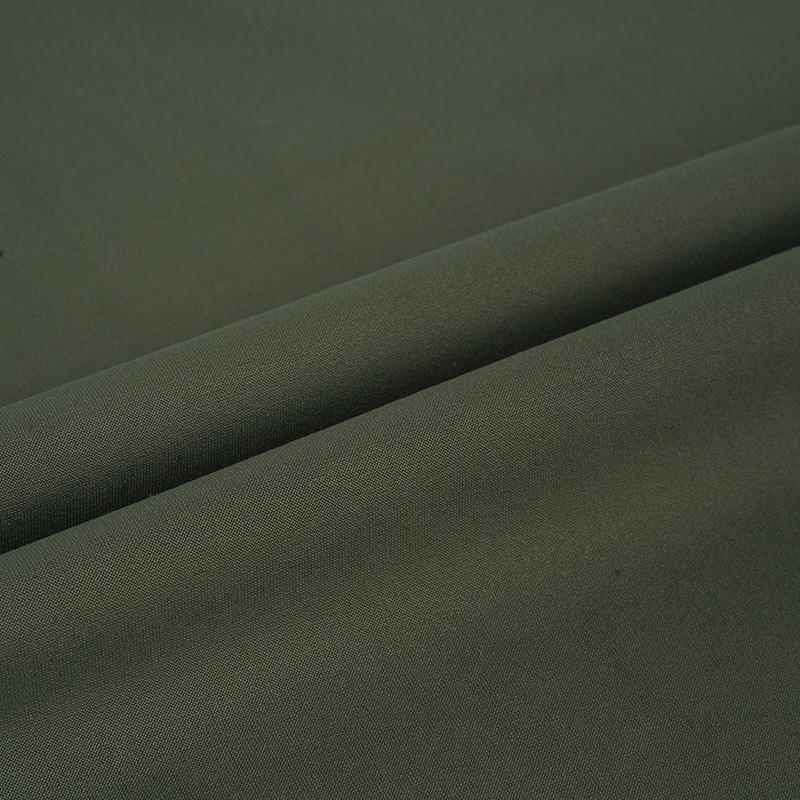
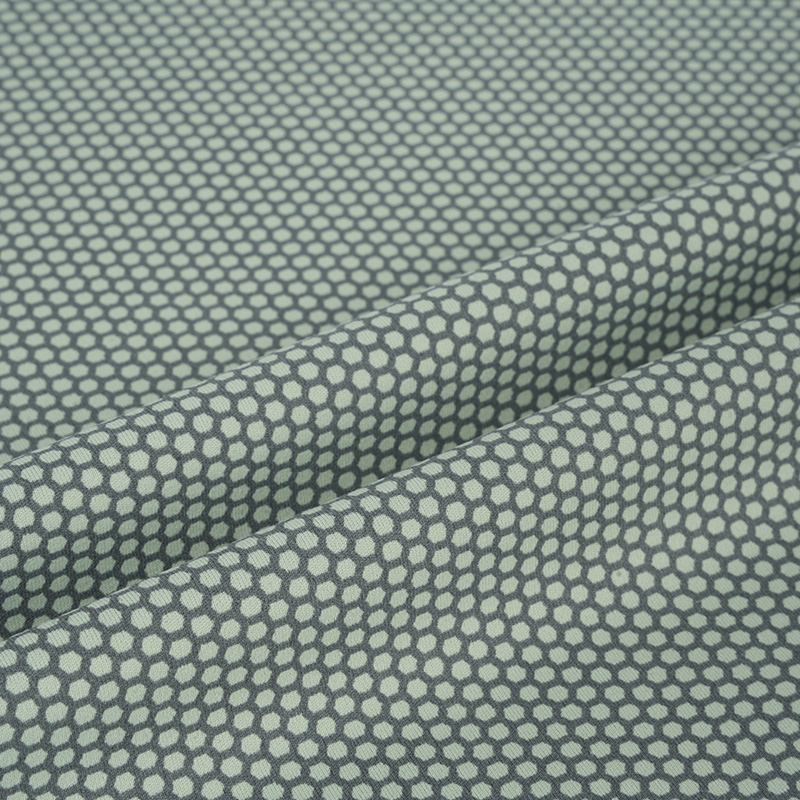
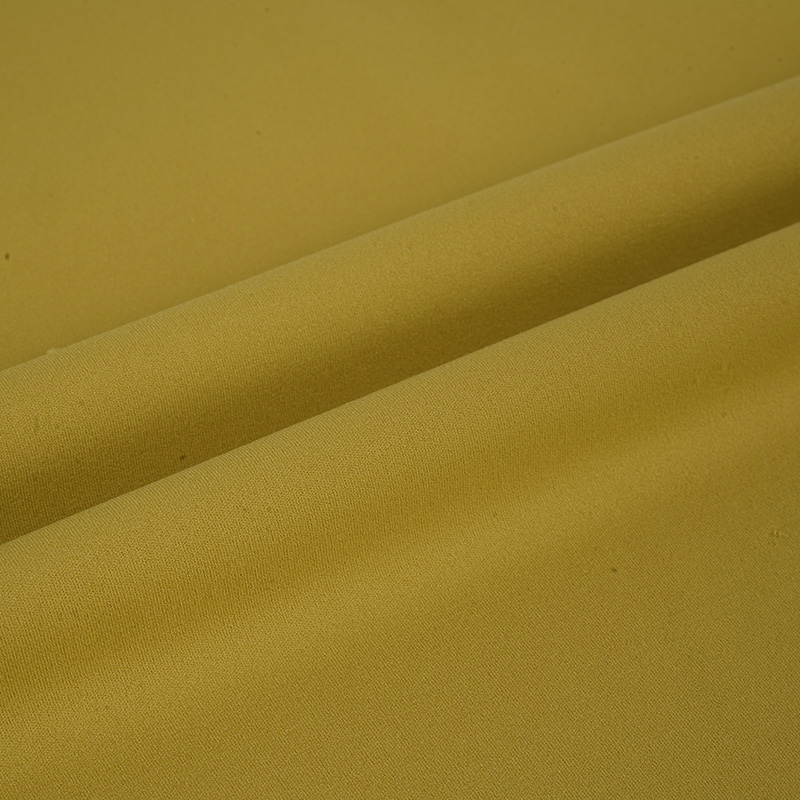
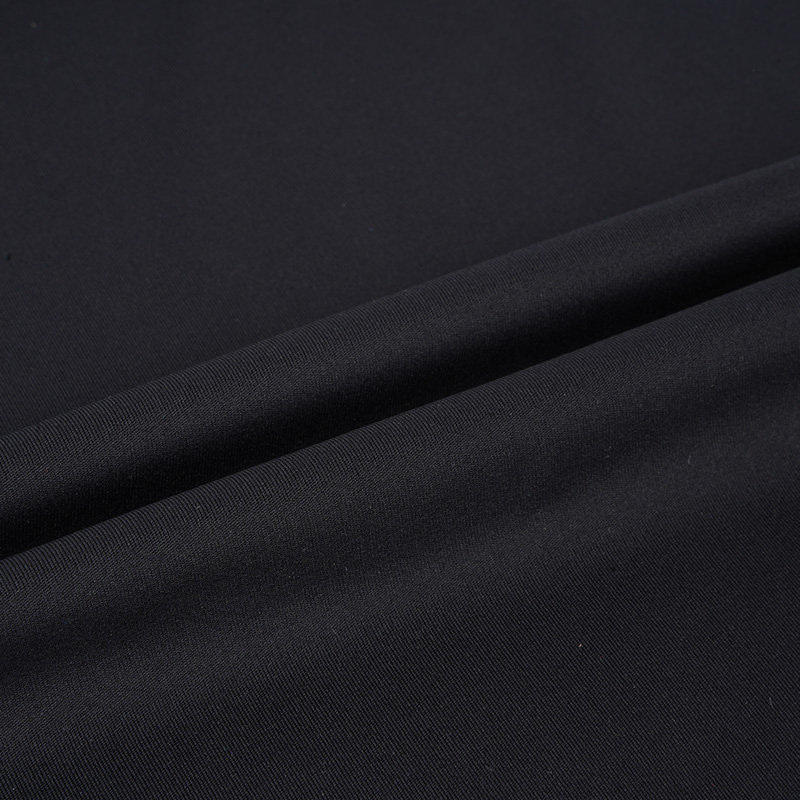
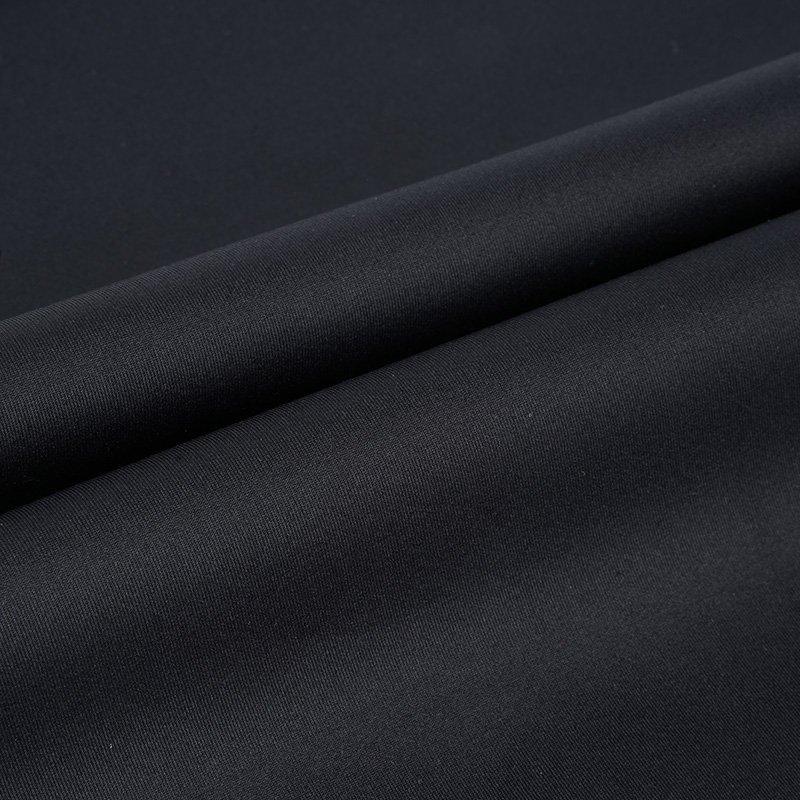
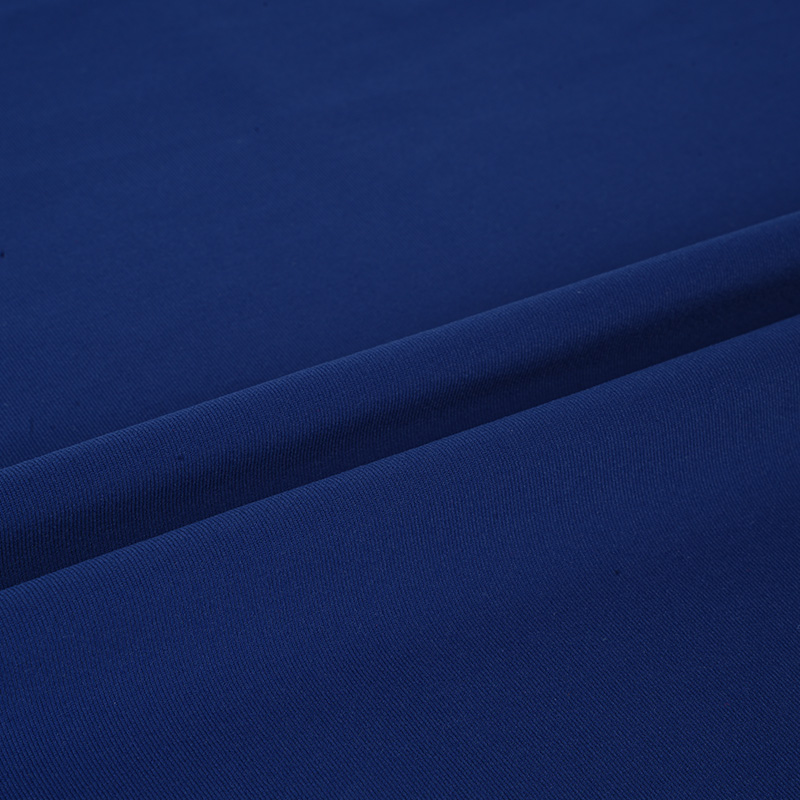
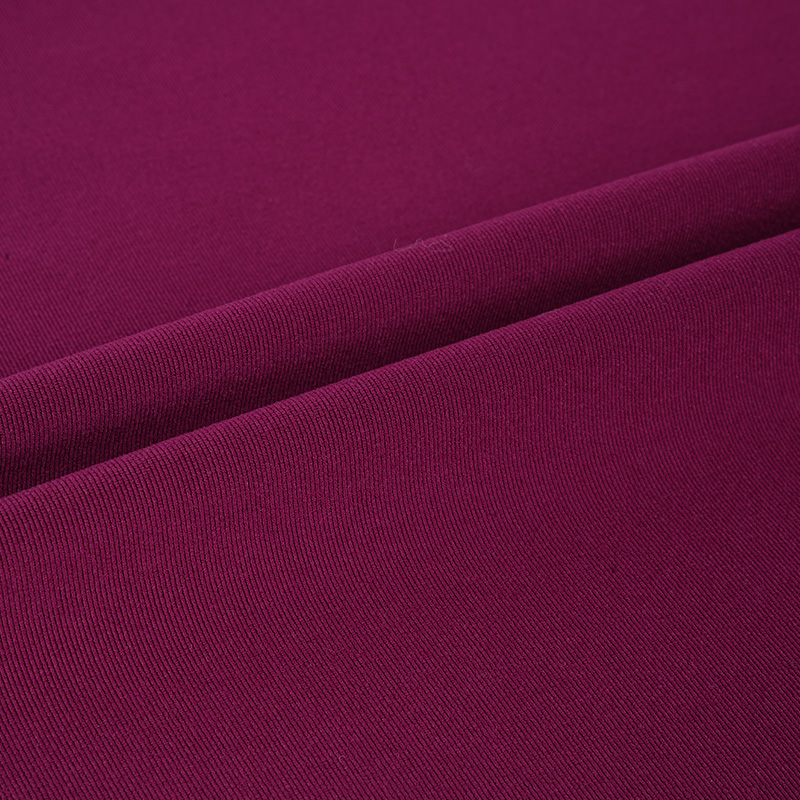
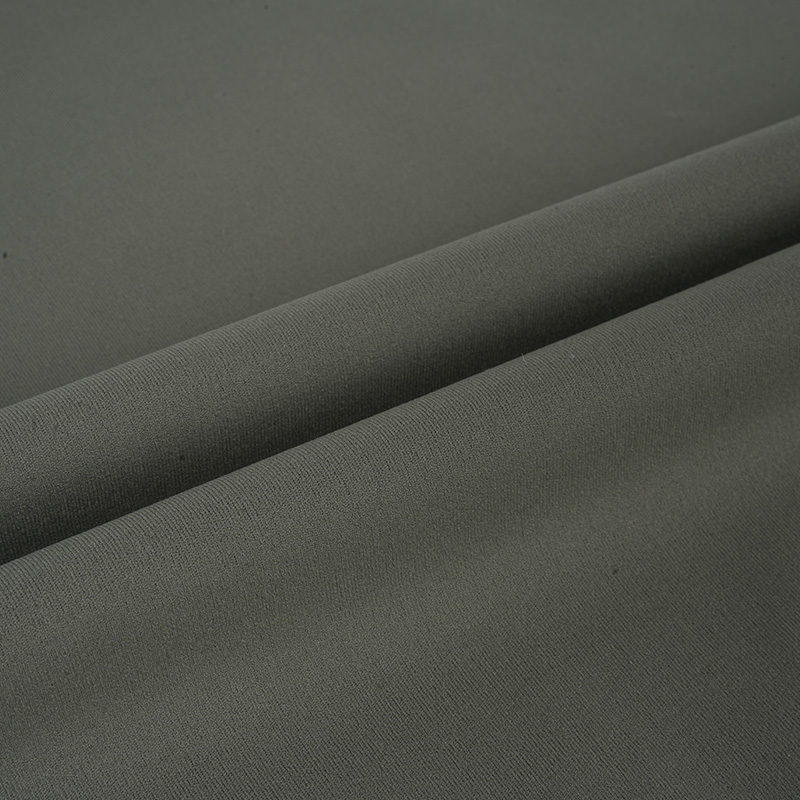
CY320 is a high-performance elastic double-sided knitted fabric constructed from a blend of 69% polyamide fiber (commonly known as nylon) and 31% spandex, with a finished weight of 225 grams per square meter. This specific composition places it firmly in the premium activewear fabric category — heavy enough to provide opacity, structure, and a sculpting effect on the body, yet light and elastic enough to move freely through the full range of motion demanded by yoga, Pilates, and other high-flexibility disciplines. The double-sided knit construction means that both the face and back of the fabric present a smooth, clean finish, which gives yoga garments made from CY320 a polished, reversible-ready appearance and eliminates the rougher texture that single-jersey constructions sometimes exhibit against the skin.
The polyamide component contributes the fabric's durability, resistance to abrasion, and ability to hold its shape after repeated stretching and washing. Nylon fibers are inherently stronger than polyester at equivalent weights and recover exceptionally well from deformation — a critical quality in yoga leggings and tops that are subjected to deep lunges, backbends, and compression from tight waistbands. The 31% spandex content delivers four-way stretch with a recovery rate that returns the fabric to its original dimensions after each movement cycle, preventing the fabric from bagging at the knees, seat, or elbows over time. At 225 g/m², CY320 sits at a fabric weight that provides the compression and body-contouring properties that serious yoga practitioners prefer, without the overheating associated with heavier knits.
Technical Properties of CY320 That Affect Garment Construction
Before cutting and sewing CY320 fabric into yoga garments, understanding its technical properties is essential for achieving professional results. The fabric's behavior under tension, its response to heat, and its stretch-to-recovery ratio all directly influence how patterns must be sized, how seams must be constructed, and how the finished garment will perform during wear.
| Property | CY320 Specification | Implication for Sewing |
| Fiber Composition | 69% Polyamide / 31% Spandex | Use low heat settings; nylon is heat-sensitive |
| Fabric Weight | 225 g/m² | Mid-heavy weight; suitable for leggings and sports bras |
| Stretch Direction | Four-way (crosswise and lengthwise) | Align greatest stretch around the body on pattern |
| Stretch Recovery | Excellent (95%+ recovery) | Reduce pattern pieces by 10–15% from standard sizing |
| Surface Texture | Smooth double-sided finish | Either side can face outward; reversible designs possible |
| Moisture Behavior | Moisture-wicking, quick-drying | No special lining required for most yoga applications |
| Iron Temperature | Max 110°C (low/synthetic setting) | Use pressing cloth; avoid direct iron contact |
| Recommended Needle | Ballpoint or stretch needle, size 75/11 or 80/12 | Prevents skipped stitches and fabric damage |
One property that consistently surprises makers new to high-spandex fabrics is how much smaller the cut pattern pieces can be relative to the wearer's body measurements. Because CY320 stretches significantly and recovers fully, a pattern piece that looks too small on the table will conform closely to the body once worn, delivering the compression fit that defines quality yoga clothing. This is intentional and necessary — if you cut pieces to match body measurements exactly, the finished garment will feel loose and unsupportive rather than performance-ready.
Tools and Equipment You Need Before You Start
Making yoga clothes from CY320 fabric is achievable on a standard home sewing setup, but having the right tools in place before you begin will dramatically improve the quality of your results and reduce frustration during construction. The most important tool is a serger (overlock machine), which creates the stretchy, finished seams used in professional activewear. A serger simultaneously trims the seam allowance, overcasts the edge, and stitches the seam in one pass, producing a seam that flexes with the fabric rather than breaking under tension.
If a serger is not available, a standard sewing machine equipped with a stretch stitch or a narrow zigzag stitch (1.5–2.0 mm width, 2.5 mm length) can produce adequate seams for lower-stress applications. However, a coverstitch machine — or a coverstitch function on a serger — is strongly recommended for hemming, as it produces the flat, two-needle topstitch hem seen on all professional activewear. This hem type lies flat against the body without bulk and stretches fully without breaking, unlike a single straight-stitched hem.
Essential Tools Checklist
- Serger or overlock machine — for all main seams in leggings, shorts, and tops
- Ballpoint or stretch sewing machine needles — sizes 75/11 or 80/12 for CY320 weight
- Polyester or nylon thread — cotton thread lacks the elasticity to withstand stretch seams
- Rotary cutter and self-healing cutting mat — for clean, accurate cuts without distorting the fabric
- Pattern weights — pinning stretchy fabric distorts cut lines; weights hold patterns flat
- Ballpoint pins or Wonder Clips — if you must pin, ballpoints avoid snagging the knit loops
- Pressing cloth and low-temperature iron — for flattening seams without melting spandex fibers
- Fold-over elastic (FOE) or knit elastic — for waistbands, leg openings, and bra bands
Selecting and Adjusting Patterns for CY320 Fabric
Choosing the right pattern is the foundation of a successful yoga garment. Patterns designed specifically for activewear or swimwear are the most compatible with CY320 because they are already drafted with high-stretch fabrics in mind and include the reduced ease and minimal seam allowances appropriate for this construction. Look for patterns labeled for fabrics with at least 50% four-way stretch, or those that explicitly call for nylon-spandex or lycra blends. Popular activewear pattern brands such as Jalie, Greenstyle Creations, Patterns for Pirates, and Hey June Handmade offer excellent starting points for yoga leggings, high-waist shorts, sports bras, and tank tops.
When adapting a pattern to CY320 specifically, perform a stretch test first. Fold the fabric crosswise and stretch a 10 cm section to see how far it extends before the fabric resists. Most activewear patterns include a stretch gauge printed on the pattern envelope — lay your folded fabric against this gauge and confirm it meets the minimum stretch requirement before cutting. Because CY320 has a high-recovery spandex content, you may need to size down one step from your usual measurement-based size to achieve the close, compressive fit of professional yoga wear rather than a relaxed athletic fit.
Step-by-Step Guide to Cutting CY320 Fabric Accurately
Accurate cutting is more critical with stretch fabrics than with woven materials because distortion during cutting translates directly into twisted seams, uneven hems, and garments that pull to one side during wear. Follow these steps to cut CY320 cleanly and consistently:
- Pre-wash the fabric before cutting. Wash in cold water with a gentle cycle and air dry to allow any shrinkage to occur before the garment is constructed.
- Lay the fabric flat on a large cutting surface without pulling or stretching it. Allow it to relax completely for at least 15 minutes before placing pattern pieces.
- Identify the greatest stretch direction — typically crosswise on knit fabrics — and orient pattern pieces so this direction wraps around the body as indicated on the pattern.
- Use pattern weights rather than pins to hold pieces in place. Pins can create small holes in the knit structure and may cause the fabric to shift during cutting.
- Cut with a sharp rotary cutter in a single smooth stroke. Replace rotary blades frequently — a dull blade drags on the knit and produces jagged, stretched edges.
- Mark notches with snips rather than notching outward, keeping markings within the seam allowance to avoid visible holes in the finished garment.
Sewing Seams and Constructing the Garment
Construction of yoga garments from CY320 follows a logical sequence that minimizes handling of completed sections and keeps seams flat. For leggings, the standard construction order is: sew the inseams first, then the crotch seam, then the side seams, and finally attach the waistband. For sports bras and crop tops, sew the shoulder seams, then side seams, then apply the band at the hem, and finish with the neckline and armhole edges. This sequence keeps the garment manageable under the serger arm and reduces the risk of stretching already-completed sections.
When serging seams in CY320, set your machine to a 4-thread overlock stitch with a stitch length of 2.5 to 3.0 mm and a differential feed setting of 1.0 to 1.2. The differential feed prevents the fabric from stretching lengthwise under the presser foot, which would cause wavy, tunneled seams. Sew with the fabric feeding smoothly without pulling it from behind or pushing it from in front — let the machine's feed dogs do the work. After completing each seam, press it flat to one side using a pressing cloth and a cool iron. Avoid pressing seams open on CY320, as the double-sided construction means the wrong side of the seam allowance would be visible against the smooth fabric back.
Constructing Waistbands and Leg Openings for Yoga Leggings
The waistband is the most structurally important element of yoga leggings and one of the most visible indicators of garment quality. For CY320 leggings, a fold-over waistband cut from the same fabric produces the cleanest, most professional result. Cut a waistband rectangle measuring approximately 70 to 75 percent of the wearer's waist circumference in length and twice the desired finished width plus seam allowances. Fold the band in half lengthwise with the right side out, quarter-mark the band and the legging waist opening, and serge the band to the legging while stretching the band to match the legging's waist opening evenly.
For additional waist support and stability, insert a length of 3 to 4 cm wide non-roll elastic inside the waistband before closing it, or sew a channel within the folded waistband to encase the elastic. This is particularly effective in high-waist styles where the waistband extends above the natural waist — the elastic prevents the band from rolling down during practice. Leg openings on leggings require a hem of approximately 2 to 2.5 cm, applied using a coverstitch machine for the flattest result, or a twin-needle stretch stitch on a conventional machine as a practical alternative.
Care Instructions for CY320 Yoga Garments
Preserving the performance properties of CY320 garments over their lifespan requires following care practices suited to the fiber content. Polyamide fibers are more heat-sensitive and UV-sensitive than polyester, and spandex degrades when exposed to chlorine, high temperatures, and fabric softeners. Following proper care procedures significantly extends the functional life of the garment and maintains the compressive fit that makes CY320 yoga clothes perform as intended.
- Wash in cold water (30°C maximum) on a gentle or delicate machine cycle to prevent fiber stress and color fading.
- Use a mild, sport-specific or gentle detergent without enzymes or bleach, which degrade spandex elasticity over time.
- Never use fabric softener — it coats the nylon fibers and reduces moisture-wicking performance while weakening spandex over repeated washes.
- Air dry flat or hang to dry away from direct sunlight. Tumble drying at high heat degrades spandex elasticity and can cause shrinkage in the nylon component.
- Wash garments inside out to protect the outer surface from abrasion against other garments during the wash cycle and to preserve color vibrancy.
- Rinse immediately after chlorine exposure if the garment is worn in a chlorinated pool, as chlorine is the most damaging chemical agent for spandex fiber integrity.
By combining the superior technical properties of CY320 fabric with proper pattern selection, accurate cutting, appropriate sewing techniques, and conscientious garment care, it is entirely possible to produce yoga clothing at home that matches or exceeds the quality of commercially available activewear — at a fraction of the retail cost and with the added satisfaction of a garment precisely fitted to your own measurements and aesthetic preferences.