 English
  Español
  عربى
عربى We are located in Haining City, Zhejiang Province, one of China's famous knitting industrial Bases.
Content
- 1 Why Fabric Selection Is the Foundation of Every Great Gym Legging
- 2 Understanding the 75% Nylon 25% Spandex Fiber Composition
- 3 The Significance of 240GSM in Performance Leggings
- 4 Double-Sided Construction: What It Means and Why It Matters
- 5 Recovery Performance: The Defining Characteristic for Gym Use
- 6 How 31SN0065 Compares to Alternative Gym Legging Fabrics
- 7 Care, Maintenance, and Longevity of Nylon-Spandex Gym Leggings
- 8 Making the Right Fabric Choice for Your Leggings Line
Why Fabric Selection Is the Foundation of Every Great Gym Legging
In the activewear industry, the difference between a gym legging that sells once and one that builds brand loyalty almost always comes down to fabric. Fit, stitching, and design all matter — but if the fabric pills after three washes, loses its shape after a squat session, or traps heat during a high-intensity workout, no amount of stylish design will save the product from negative reviews and returns. For designers, manufacturers, and activewear brands navigating the increasingly competitive leggings market, understanding fabric specifications at a technical level is not optional — it is the single most important competency in product development.
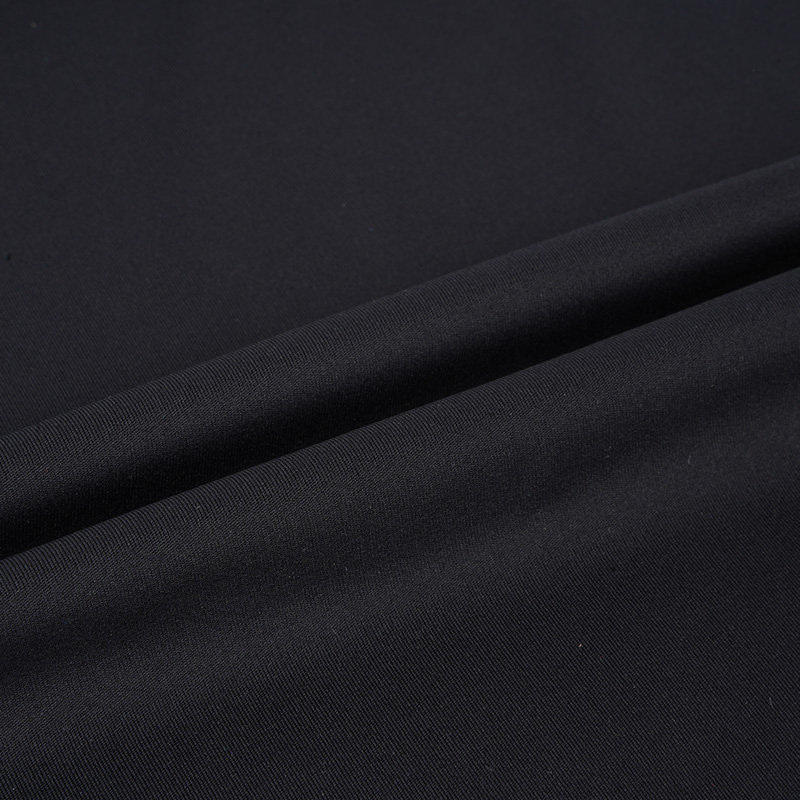
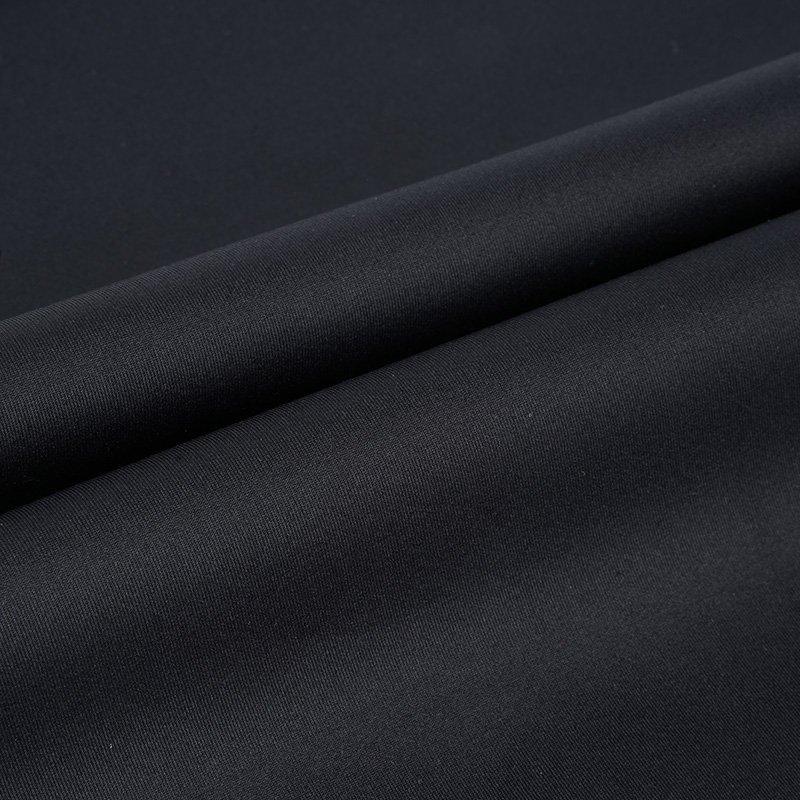
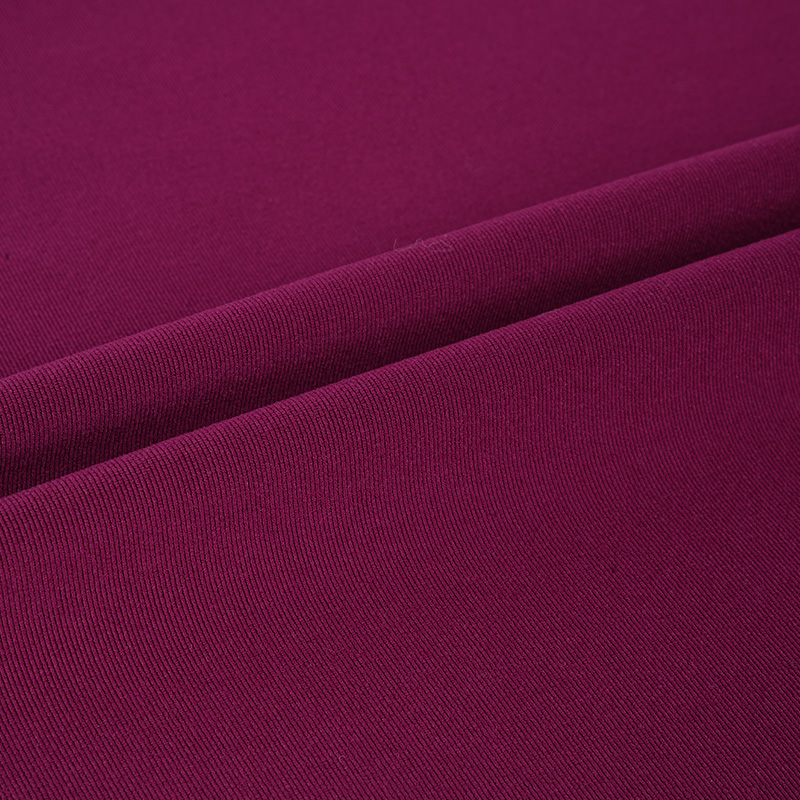
Among the many fabric options available for gym leggings construction, the 31SN0065 — a 75% nylon, 25% spandex, 240GSM double-sided knit with high recovery performance — has emerged as a particularly well-regarded choice for performance-focused leggings. Its fiber composition, weight, construction method, and recovery characteristics address the most common failure points in activewear fabrics in a coherent, integrated way. This article breaks down exactly what each of these specifications means in practice, why they matter for gym leggings specifically, and how the 31SN0065 compares to alternative fabric choices across the key performance dimensions that drive consumer satisfaction.
Understanding the 75% Nylon 25% Spandex Fiber Composition
The fiber blend of any activewear fabric is its most fundamental specification, as it determines the baseline mechanical properties, hand feel, moisture behavior, and durability of everything built on top of that fiber foundation. The 75/25 nylon-spandex blend used in the 31SN0065 is one of the most technically refined compositions in the performance leggings segment — and understanding why requires examining what each fiber contributes individually before considering how they work together.
What Nylon Brings to the Blend
Nylon — specifically nylon 6 or nylon 6,6 in most activewear applications — is a polyamide fiber with an exceptional combination of properties that make it the premium base fiber of choice for high-performance leggings. Compared to polyester, nylon offers a softer, silkier hand feel against the skin, superior abrasion resistance that translates to dramatically longer garment lifespan under the friction conditions of gym use, and better recovery of texture and surface appearance after repeated laundering. Nylon also accepts dye with exceptional depth and fastness when processed correctly, enabling the rich, saturated colors and sharp printed patterns that are central to modern activewear aesthetics. At 75% of the fiber content, nylon establishes the dominant character of the 31SN0065 — its softness, its surface quality, and its long-term durability.
What Spandex Contributes at 25%
Spandex — also marketed as Lycra or elastane — is a segmented polyurethane fiber capable of stretching to four to seven times its original length and returning to its exact original dimensions without permanent deformation. At 25% of the fiber content, spandex in the 31SN0065 is present at the upper end of the typical 15–25% range used in performance leggings, and this higher spandex content has meaningful practical consequences. Greater spandex content delivers a more powerful compression effect, stronger shape retention through the range of motion of athletic activity, faster and more complete elastic recovery after each stretch cycle, and better resistance to the gradual "bagging" at the knees and seat that afflicts lower-elastane fabrics after extended wear. The 25% spandex content is the primary driver of the 31SN0065's standout recovery performance — the specification that matters most to gym legging wearers who demand that their leggings look and feel the same at the end of a workout as they did at the beginning.
The Significance of 240GSM in Performance Leggings
GSM — grams per square meter — is the standard measure of fabric weight in the textile industry, and for gym leggings it is one of the most important specifications for predicting how a garment will perform in use. The 240GSM weight of the 31SN0065 places it firmly in the mid-to-heavyweight category for activewear fabrics, and this positioning is deliberate and functionally significant.
Lightweight activewear fabrics in the 150–180GSM range are popular for running tights and yoga pants where minimal weight and maximum breathability are the primary objectives. However, these lighter fabrics have limitations that become apparent in gym-specific use cases: they are more prone to transparency when stretched, offer less compression and structural support for the muscles and silhouette, and tend to show wear more quickly under the abrasion conditions of gym equipment. The 240GSM weight of the 31SN0065 addresses these limitations directly:
- Opacity assurance: At 240GSM, the fabric maintains full opacity even under maximum stretch during deep squats, lunges, or hip hinge movements — eliminating the squat-proof anxiety that lightweight fabrics create for wearers and the product liability risk they create for brands.
- Compression and muscle support: The additional fabric mass and the higher spandex content combine to create a meaningful compression effect that supports the quadriceps, hamstrings, and glutes during weighted training — a functional benefit that justifies the premium positioning of heavier-weight gym leggings in the market.
- Durability and abrasion resistance: Heavier fabrics present more fiber surface area to abrasive forces, distributing wear more effectively and extending the garment's useful life in the demanding friction environment of gym benches, mats, and equipment.
- Premium hand feel and drape: The substantial weight of 240GSM gives the fabric a satisfying body and drape that communicates quality at the point of purchase — a tactile cue that strongly influences consumer confidence and purchasing decisions in retail environments.
Double-Sided Construction: What It Means and Why It Matters
The double-sided designation of the 31SN0065 refers to the knitting construction of the fabric — specifically, the fact that both the face (outer) and the back (inner) surfaces of the fabric are knitted with finished, smooth yarn loops rather than having a distinct technical face and a rougher or more textured back as in standard single-jersey constructions. This bilateral finish has several important consequences for leggings performance that are worth examining in detail.
Dimensional Stability and Reduced Curl
Single-jersey fabrics are notoriously prone to curling at their cut edges because the unbalanced loop structure of the knit creates differential tension across the fabric thickness. Double-sided constructions balance the loop structure on both faces, eliminating or dramatically reducing this curl tendency. For leggings cut and sewn from the 31SN0065, this means cleaner seam alignment during construction, reduced sewing complexity, fewer defects from edge curl during cutting, and better dimensional stability in the finished garment — all of which contribute to manufacturing efficiency and product quality consistency.
Superior Comfort Against the Skin
Because both surfaces of the 31SN0065 are finished with smooth yarn loops, the inner surface of a legging made from this fabric presents the same smooth, skin-friendly texture as the outer surface. This is in contrast to fabrics where the technical back — which becomes the skin-contact surface in a garment — has a less refined texture with exposed yarn floats or loop backs that can cause irritation during extended athletic activity. For gym leggings worn during high-repetition movements over periods of one to two hours or more, the consistent inner-surface softness of a double-sided fabric is a meaningful comfort advantage.
Design Versatility and Reversibility Options
Double-sided fabrics open design possibilities not available in single-sided constructions. Because both surfaces are aesthetically finished, activewear designers can incorporate the inner surface as a design element — using contrasting color panels, mesh inserts backed by the double-sided fabric, or reversible garment construction where the legging can be worn inside-out for two distinct looks from a single garment. This versatility has commercial value in a market where product differentiation and perceived value drive purchasing decisions.
Recovery Performance: The Defining Characteristic for Gym Use
Of all the specifications associated with the 31SN0065, its standout recovery performance is arguably the most directly relevant to the gym legging use case and the most differentiating in a crowded market. Recovery — in textile terms — refers to the fabric's ability to return to its original dimensions and appearance after being stretched, either during a single use cycle or across repeated wash-and-wear cycles over the garment's lifetime.
Poor recovery manifests in gym leggings as the bagging and sagging that is the most common consumer complaint about activewear: knees that bag out within an hour of wear, waistbands that stretch out and roll down during workouts, and seat panels that lose their fit and silhouette after a handful of washes. These failures are not aesthetic trivialities — they represent a fundamental failure of the garment to perform its intended function of providing consistent compression, support, and coverage throughout the activity it was designed for.
The 31SN0065's high recovery performance is driven by the combination of 25% high-quality spandex content and the balanced double-sided knit structure, which distributes elastic recovery forces evenly across the fabric plane. In practice, this translates to:
- Consistent compression and fit maintenance from the first wear to the fiftieth, with no progressive loss of garment shape
- Rapid snap-back after each stretch cycle during high-movement activities such as squats, lunges, burpees, and plyometric exercises
- Waistband stability throughout a workout without the need for repeated adjustment — a quality-of-life benefit that wearers notice immediately and associate strongly with product quality
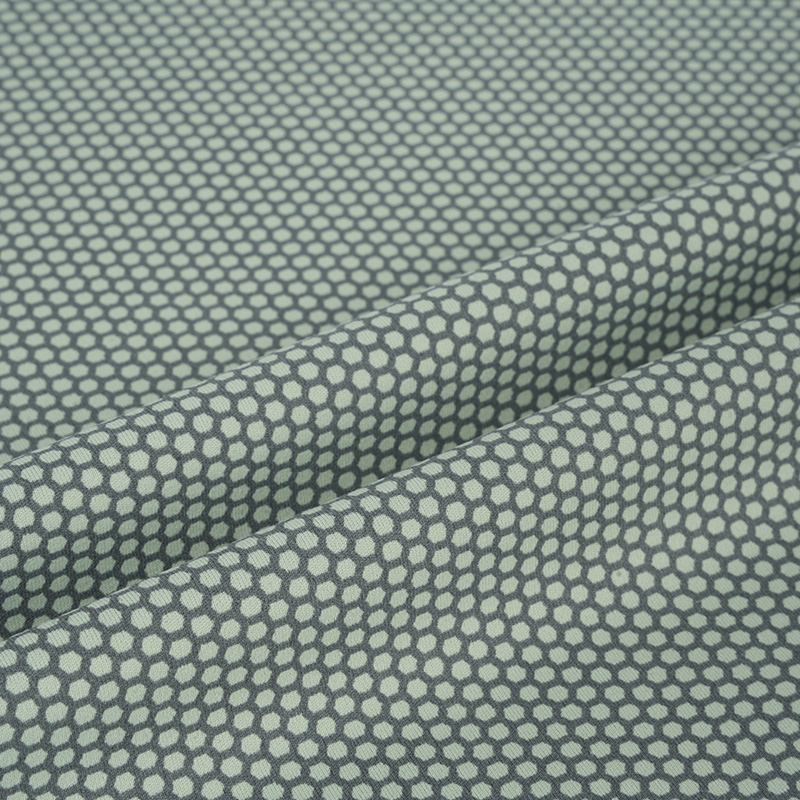
- Retention of printed pattern geometry and color placement after stretching, which is particularly important for leggings with complex geometric or optical illusion prints whose visual effect depends on precise pattern registration
How 31SN0065 Compares to Alternative Gym Legging Fabrics
To appreciate the positioning of the 31SN0065 within the activewear fabric landscape, it is useful to compare it directly against the most common alternative fabric options across the key performance dimensions that matter for gym leggings:
| Fabric Type | Softness | Recovery | Durability | Opacity | Cost |
| 31SN0065 Nylon/Spandex 240GSM | Excellent | Excellent | Excellent | Full | Premium |
| Polyester/Spandex 200GSM | Good | Good | Good | Good | Mid-range |
| Nylon/Spandex 180GSM | Excellent | Good | Good | Moderate | Mid-range |
| Cotton/Spandex Blend | Good | Poor | Moderate | Good | Low |
| Recycled Polyester/Spandex | Good | Good | Good | Good | Mid-to-premium |
Care, Maintenance, and Longevity of Nylon-Spandex Gym Leggings
Even the highest-performance fabric will degrade prematurely if the finished garment is cared for incorrectly. Communicating care instructions clearly to end consumers — through garment labels, brand education content, and product packaging — is an important responsibility for brands using premium fabrics like the 31SN0065, whose longevity advantage over cheaper alternatives only materializes when the garment is maintained properly.
- Wash in cold water: Heat is the primary enemy of spandex fiber integrity. Cold water washing (30°C or below) preserves the elastic properties of the spandex component and prevents the thermal degradation that causes elastic fatigue and loss of recovery over time.
- Avoid fabric softeners: Fabric softeners coat fiber surfaces with lubricating compounds that compromise the moisture-management properties of nylon and accelerate the breakdown of spandex elasticity. They should be avoided entirely for activewear garments.
- Do not tumble dry on high heat: Tumble drying on low heat or air drying is strongly preferred. High heat in a dryer causes dimensional instability in spandex-containing fabrics and can permanently set a stretched or distorted shape into the garment.
- Turn inside out before washing: Washing with the garment turned inside out protects the outer surface from abrasion against other garments in the wash cycle, preserving the surface finish and color vibrancy of the nylon face fabric.
- Rinse promptly after sweaty workouts: Chlorine from pool water, salt from sweat, and body oils all accelerate degradation of spandex fiber. Rinsing or washing leggings promptly after use — rather than leaving them damp in a gym bag — significantly extends garment life.
Making the Right Fabric Choice for Your Leggings Line
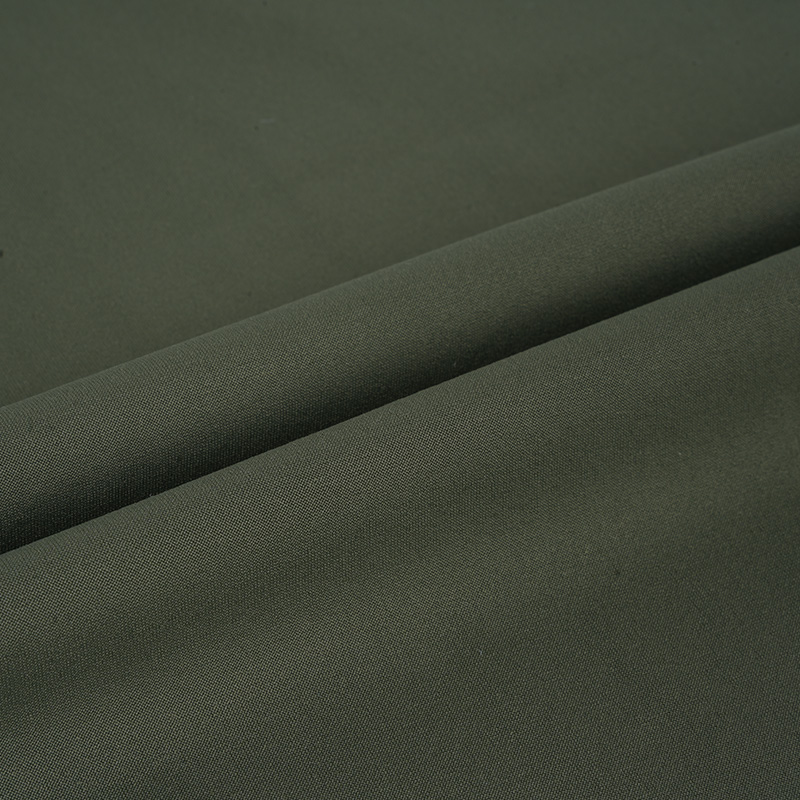
For activewear brands and manufacturers evaluating fabric options for gym legging production, the 31SN0065 represents a fabric specification that has been engineered to answer the most demanding requirements of the category comprehensively. Its 75% nylon composition delivers the premium softness, surface quality, and abrasion resistance that differentiate top-tier leggings from commodity products. The 25% spandex content provides the recovery performance and compression consistency that gym-focused consumers prioritize above almost all other performance attributes. The 240GSM weight ensures opacity, structural body, and durability that support premium retail positioning. And the double-sided construction adds dimensional stability, consistent inner-surface comfort, and design versatility that simplify manufacturing and expand creative possibilities.
Sourcing a fabric for gym leggings is ultimately a decision about what promise you are making to your customer with every garment you ship. A fabric like the 31SN0065 — with clearly defined, verifiable specifications across all critical performance dimensions — gives brands the foundation to make that promise confidently and deliver on it consistently across production runs, seasons, and the full active lifespan of every legging that leaves the factory floor.