 English
  Español
  عربى
عربى We are located in Haining City, Zhejiang Province, one of China's famous knitting industrial Bases.
Content
- 1 What Is Sustainable Recycled Polyester Fabric
- 2 How Recycled Polyester Is Produced
- 3 Environmental Benefits and Measurable Impact
- 4 Performance Characteristics in Real Applications
- 5 Key Limitations and Considerations
- 6 Common Applications Across Industries
- 7 How to Identify High Quality Recycled Polyester Fabric
- 8 Conclusion
What Is Sustainable Recycled Polyester Fabric
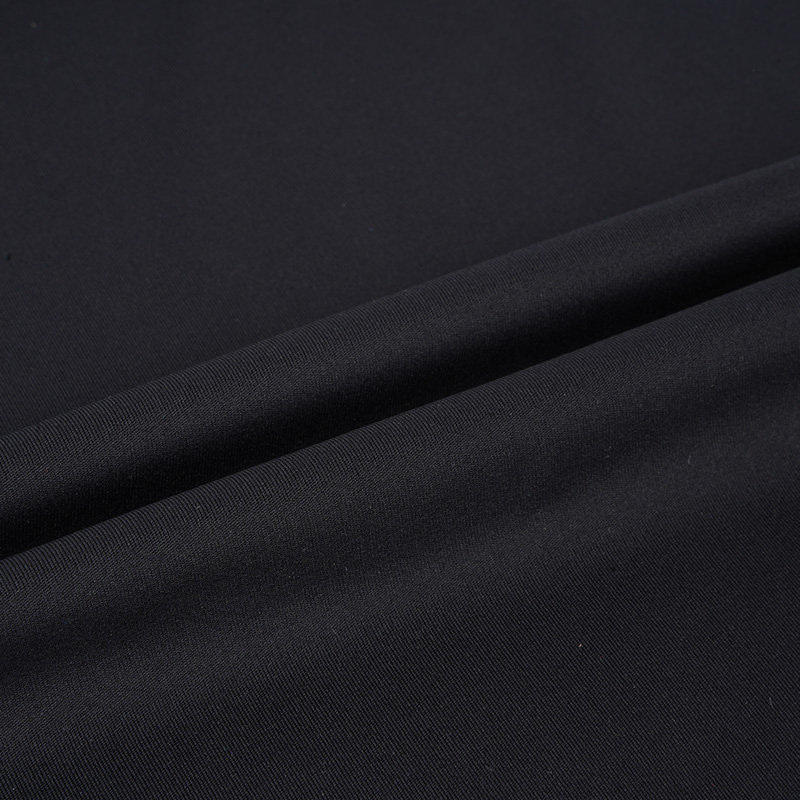
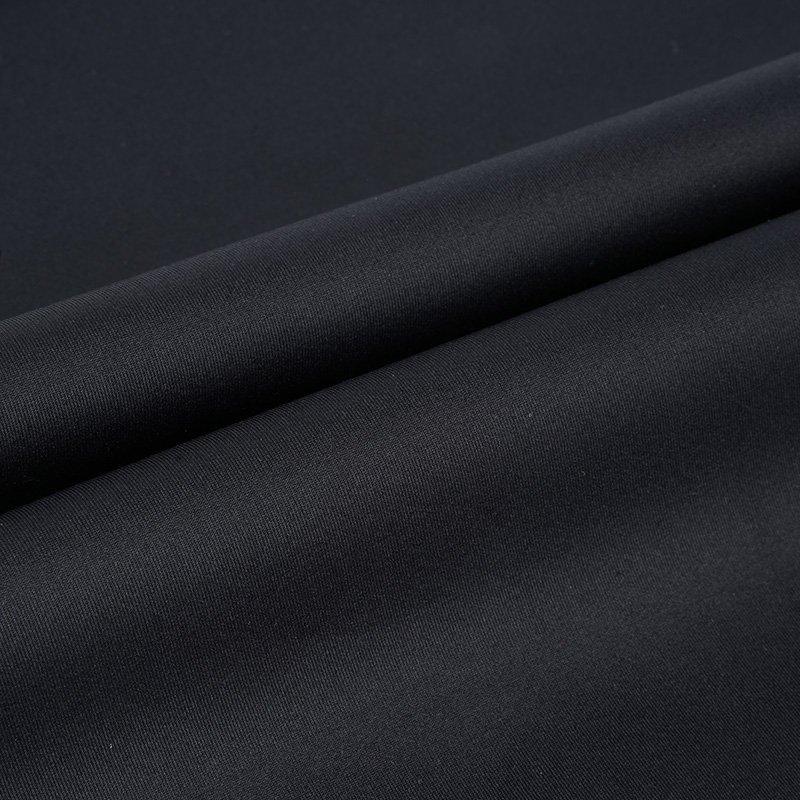
Sustainable recycled polyester fabric is a textile made from post-consumer or post-industrial plastic waste, offering comparable performance to virgin polyester while reducing environmental impact. It is widely used in apparel, home textiles, and industrial applications where durability and moisture resistance are required.
The material is typically produced from recycled PET bottles or discarded polyester garments. Through mechanical or chemical recycling processes, these materials are converted into fibers and spun into yarns, forming fabrics that maintain strength, flexibility, and consistency.
How Recycled Polyester Is Produced
The production process directly influences both sustainability and fabric performance. Mechanical recycling remains the most common method due to its efficiency and lower cost.
Mechanical Recycling Process
- Collection of PET bottles or polyester waste
- Sorting and cleaning to remove contaminants
- Shredding into flakes
- Melting and extrusion into fibers
- Spinning into yarn for fabric production
Chemical Recycling Approach
Chemical recycling breaks polyester down into its original monomers. This allows the production of higher-quality fibers with less degradation, though the process requires more energy and investment.

Environmental Benefits and Measurable Impact
The main value of sustainable recycled polyester fabric lies in its ability to reduce reliance on fossil resources and minimize plastic waste.
| Metric | Recycled Polyester | Virgin Polyester |
|---|---|---|
| Energy Consumption | Up to 50 percent lower | Higher baseline |
| CO2 Emissions | Reduced by 30 to 40 percent | Higher emissions |
| Waste Reduction | Diverts plastic waste | No waste reduction |
Using recycled polyester can reduce landfill waste while lowering carbon emissions compared to traditional polyester production.
Performance Characteristics in Real Applications
Sustainable recycled polyester fabric maintains many of the functional properties expected from synthetic textiles.
- Durability: Resistant to abrasion and repeated washing
- Moisture management: Quick drying and low water absorption
- Shape retention: Maintains structure after long-term use
- Lightweight: Suitable for performance apparel and outdoor gear
In sportswear, for example, recycled polyester is used for jerseys and activewear due to its breathability and strength. In industrial sectors, it appears in filtration fabrics and protective covers.
Key Limitations and Considerations
Despite its benefits, recycled polyester is not without limitations. Understanding these factors helps in selecting the right application.
- Fiber degradation may occur after multiple recycling cycles
- Microplastic shedding during washing remains a concern
- Quality depends on raw material sorting and processing control
- Chemical recycling solutions are still developing at scale
Recycled polyester improves sustainability but does not fully eliminate environmental impact, especially regarding microplastics.
Common Applications Across Industries
The adaptability of sustainable recycled polyester fabric supports a wide range of uses.
Apparel and Fashion
Used in jackets, sportswear, uniforms, and linings due to its durability and lightweight nature.
Home Textiles
Applied in curtains, upholstery, and bedding where strength and easy maintenance are required.
Industrial Use
Suitable for filtration materials, packaging fabrics, and insulation layers.
How to Identify High Quality Recycled Polyester Fabric
Selecting reliable recycled polyester requires attention to both material and certification.
- Check for consistent fiber texture and uniform color
- Request traceability of recycled content sources
- Look for third party certifications such as recycled content standards
- Evaluate mechanical strength through sample testing
Material consistency and verified sourcing are key indicators of reliable recycled polyester fabric performance.
Conclusion
Sustainable recycled polyester fabric provides a practical balance between performance and environmental responsibility. It reduces waste and energy consumption while maintaining the durability and versatility required in modern textile applications. When sourced and processed correctly, it supports both industrial efficiency and sustainability goals.