 English
  Español
  عربى
عربى We are located in Haining City, Zhejiang Province, one of China's famous knitting industrial Bases.
Content
- 1 Sustainable Recycled Polyester Fabric: A Practical Textile for Reducing Plastic Waste
- 2 How Recycled Polyester Fabric Is Manufactured
- 3 Environmental Benefits of Recycled Polyester Fabric
- 4 Performance Characteristics of Recycled Polyester Fabric
- 5 Typical Applications in Modern Textile Products
- 6 Key Factors When Selecting Recycled Polyester Fabric
Sustainable Recycled Polyester Fabric: A Practical Textile for Reducing Plastic Waste
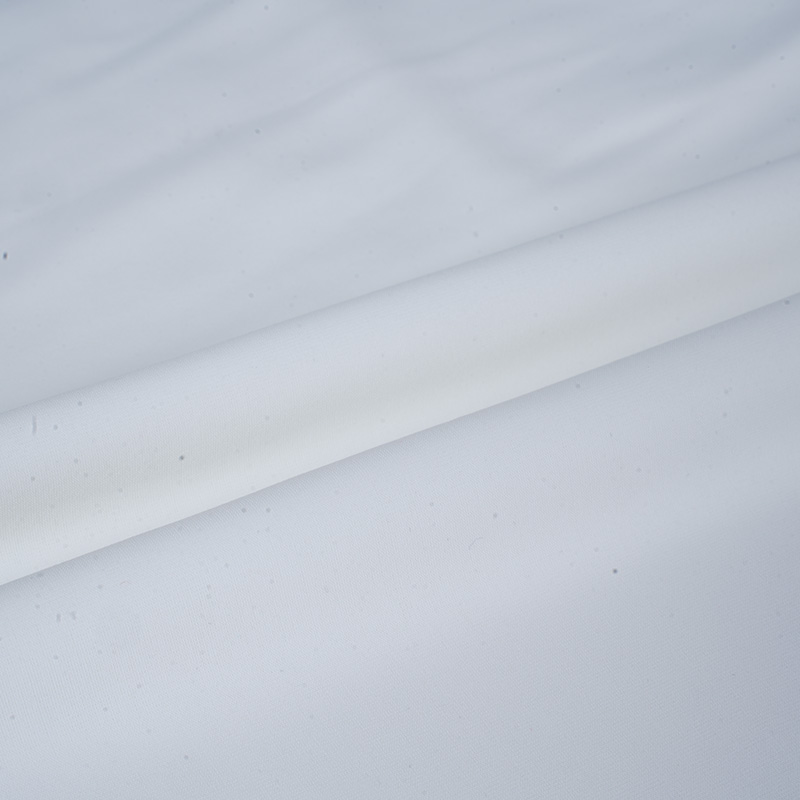
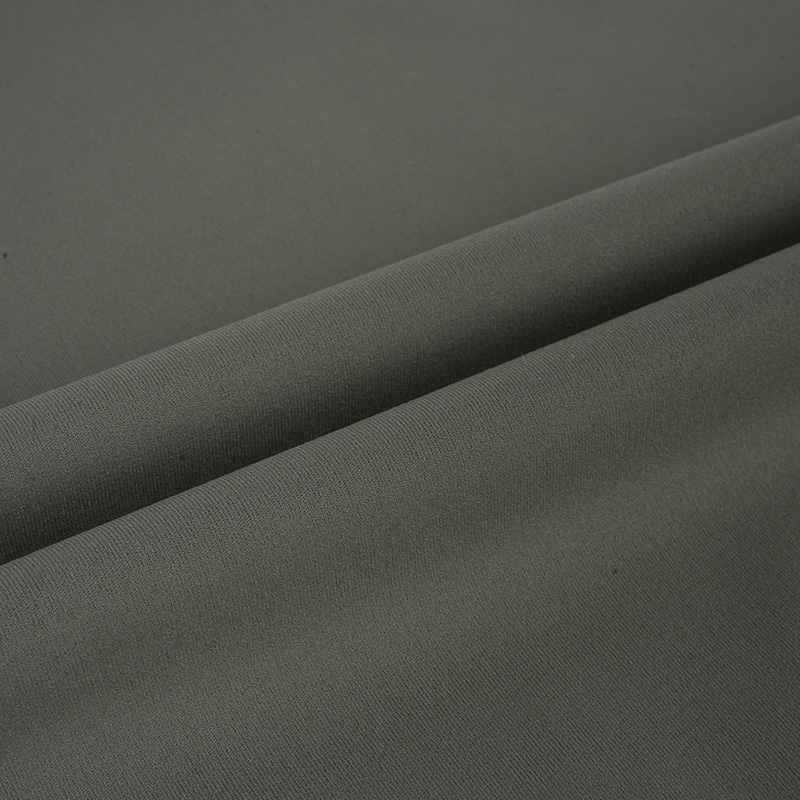
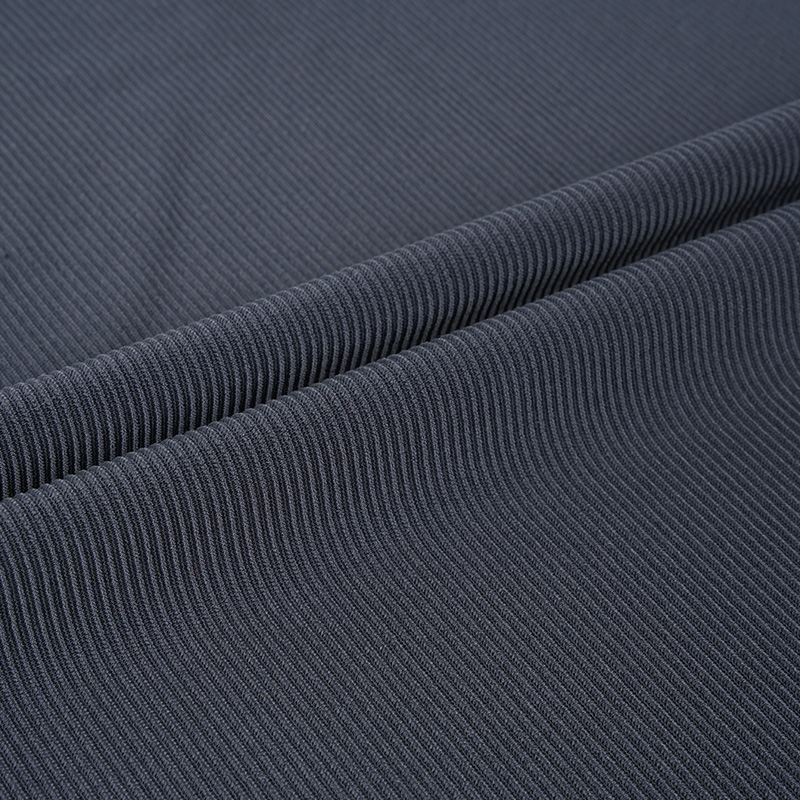
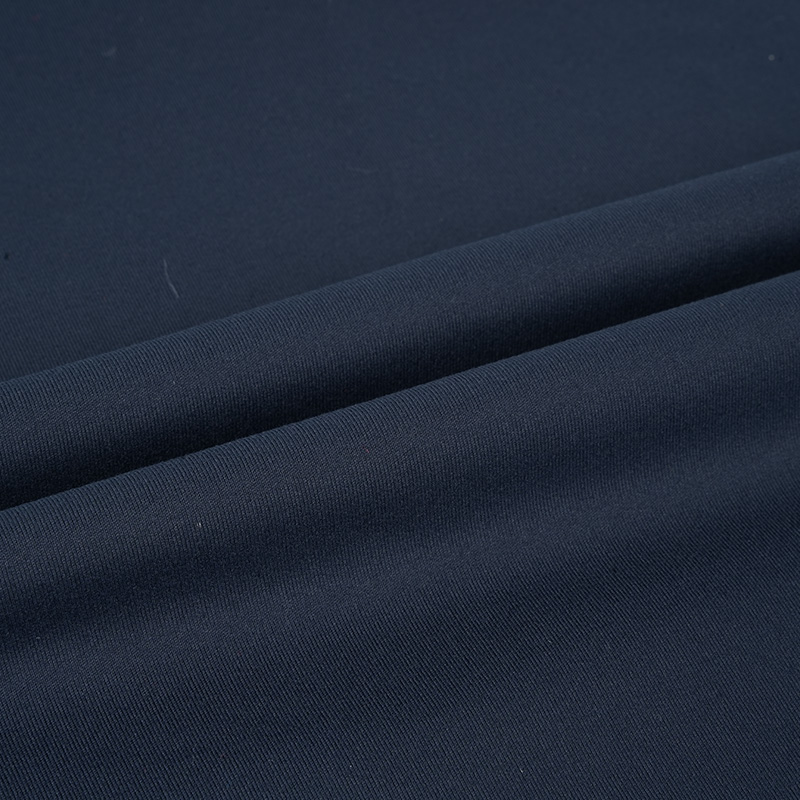
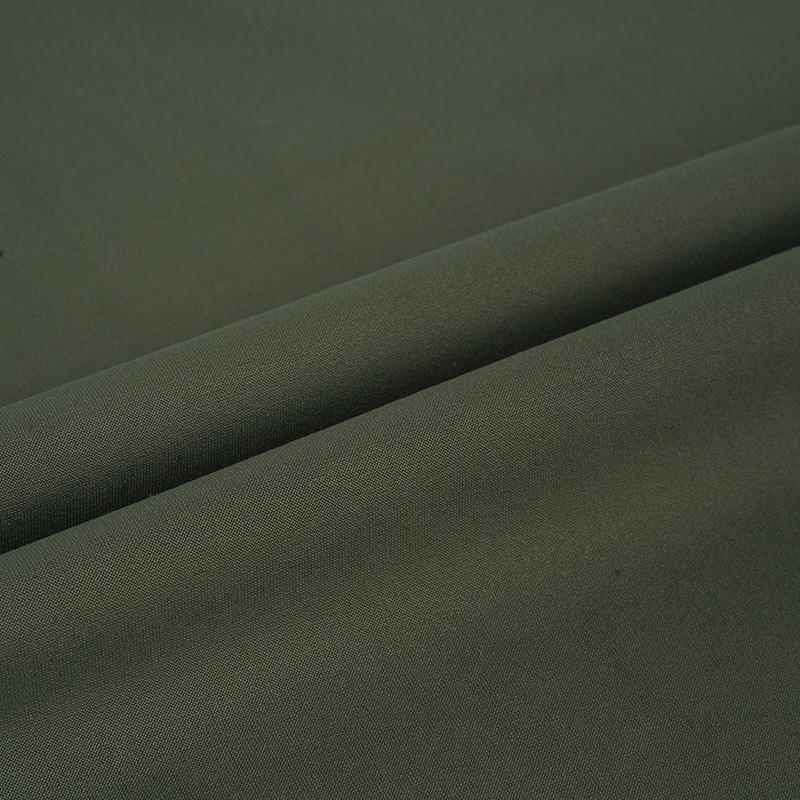
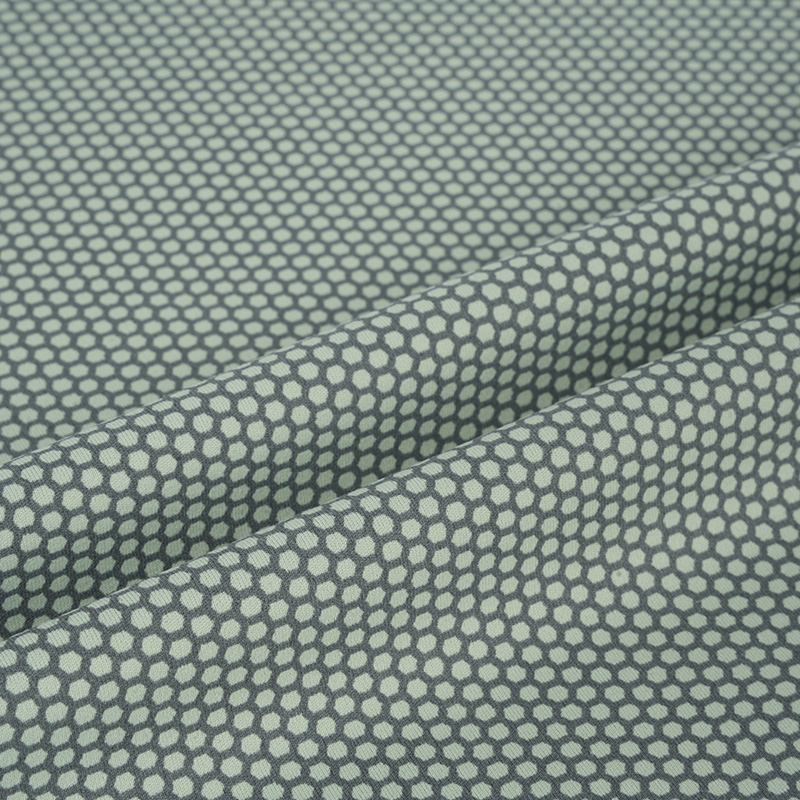
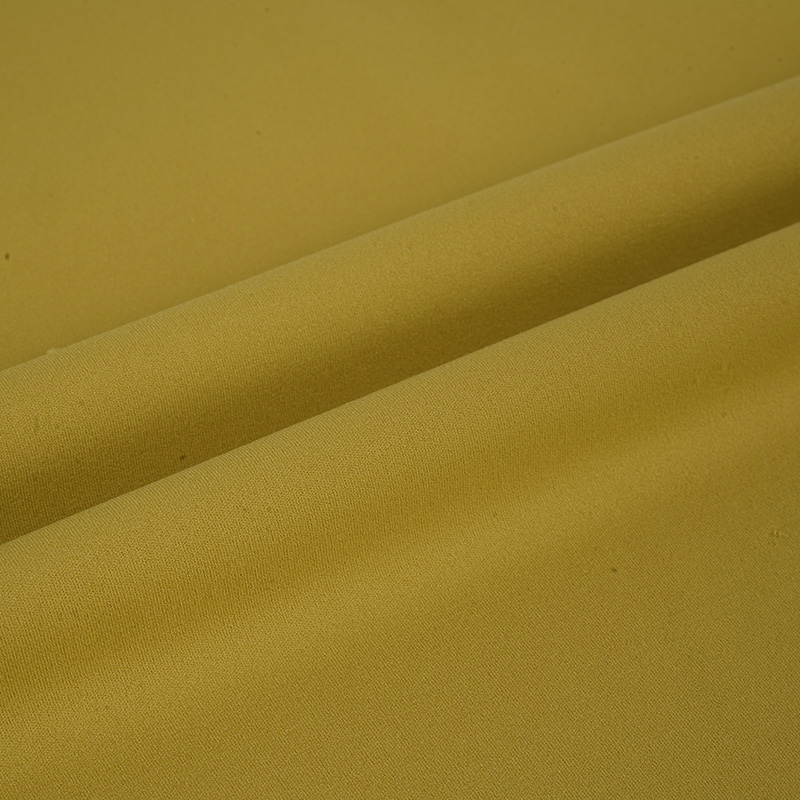
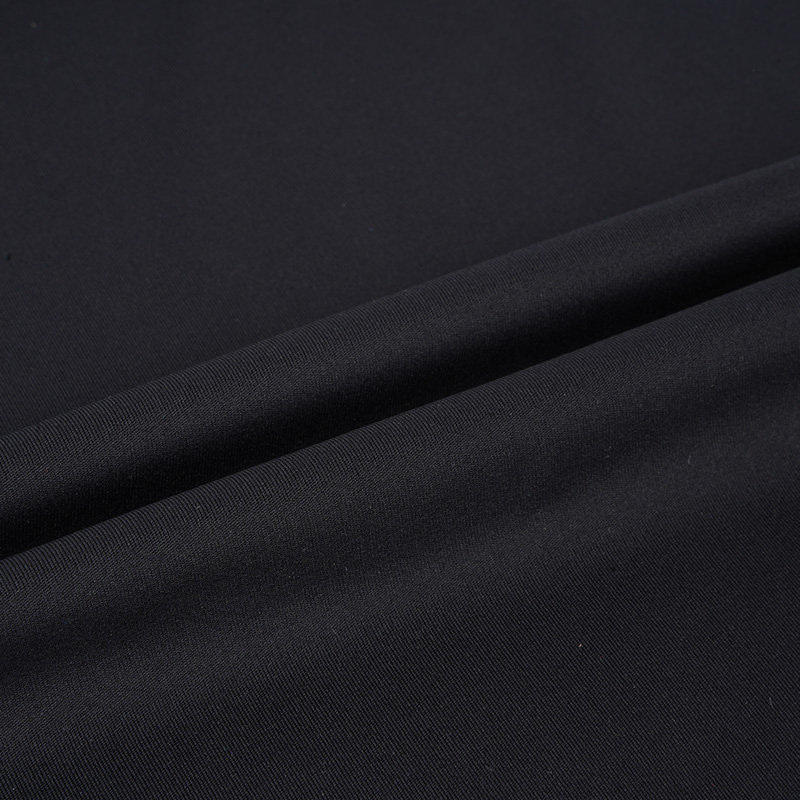
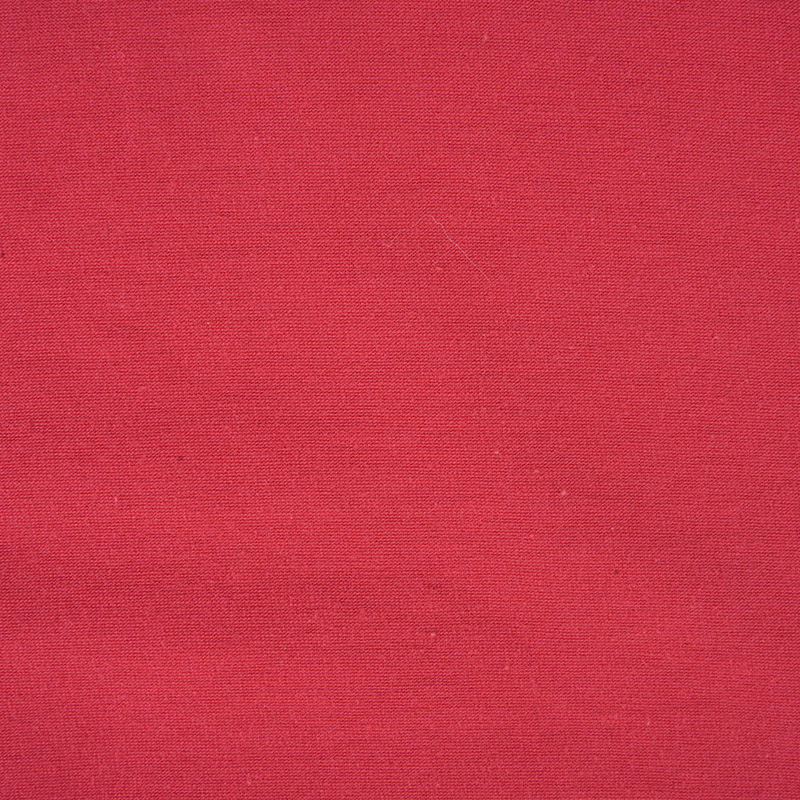
Sustainable Recycled Polyester Fabric is produced by converting post-consumer or post-industrial plastic materials into textile fibers. The most common source material is discarded polyethylene terephthalate bottles. Through recycling and reprocessing, these plastics are transformed into polyester yarn and woven or knitted into fabric. This process significantly reduces landfill waste and lowers the environmental impact associated with producing virgin polyester fibers.
Compared with conventional polyester production, recycled polyester requires less petroleum-based raw material and typically consumes less energy. As a result, many textile manufacturers, fashion brands, and outdoor product companies increasingly adopt recycled polyester fabrics to support sustainability goals while maintaining the durability and performance associated with polyester textiles.
How Recycled Polyester Fabric Is Manufactured
The production of sustainable recycled polyester fabric involves several stages that convert plastic waste into textile fibers. Each step ensures that the final fiber meets the required strength, cleanliness, and consistency for fabric manufacturing.
Collection and Sorting of Plastic Materials
Used plastic bottles and packaging materials are collected through recycling systems. These materials are sorted to remove contaminants such as labels, caps, and other non-polyester components.
Cleaning and Shredding
After sorting, the plastic materials are washed to eliminate dirt, adhesives, and residues. The cleaned plastic is then shredded into small flakes that serve as the base material for fiber production.
Melting and Fiber Extrusion
The plastic flakes are melted and passed through extrusion equipment to create continuous polyester filaments. These filaments are cooled, stretched, and processed into yarn suitable for weaving or knitting.
Fabric Production
The recycled polyester yarn is used to produce different textile structures such as woven fabric, knitted fabric, or blended fabrics. These materials can then be dyed, finished, and converted into garments, bags, upholstery materials, or technical textiles.
Environmental Benefits of Recycled Polyester Fabric
The environmental advantages of sustainable recycled polyester fabric are one of the main reasons it is widely adopted in modern textile manufacturing. The recycling process transforms waste into usable materials while reducing reliance on virgin resources.
| Environmental Aspect | Conventional Polyester | Recycled Polyester Fabric |
|---|---|---|
| Raw Material Source | Petroleum-based chemicals | Recycled plastic waste |
| Energy Consumption | Higher production energy demand | Lower energy requirement |
| Waste Reduction | Limited waste recovery | Diverts plastic from landfills |
| Carbon Emissions | Higher emissions | Reduced lifecycle emissions |
Studies in textile sustainability show that producing recycled polyester can reduce energy consumption by approximately 30% to 50% compared with virgin polyester fiber production. Additionally, recycling one metric ton of PET plastic can prevent thousands of plastic bottles from entering landfill systems.
Performance Characteristics of Recycled Polyester Fabric
From a performance perspective, recycled polyester fabric maintains many of the same characteristics as conventional polyester. This allows manufacturers to integrate recycled fibers into existing textile product lines without sacrificing durability or usability.
- High tensile strength and abrasion resistance
- Lightweight structure suitable for garments and bags
- Moisture resistance and quick drying capability
- Dimensional stability during repeated washing
- Compatibility with dyeing and finishing processes
Because recycled polyester fibers are chemically similar to virgin polyester, fabrics made from recycled material can achieve comparable mechanical strength and color performance. In many cases, consumers cannot visually distinguish between recycled and conventional polyester textiles.
Typical Applications in Modern Textile Products
Sustainable recycled polyester fabric is now used across multiple industries. Its balance of durability, flexibility, and environmental benefits makes it suitable for a wide range of textile applications.
Apparel and Sportswear
Many athletic clothing brands use recycled polyester for performance garments such as running shirts, jackets, and training pants. The material offers moisture management and lightweight comfort suitable for active wear.
Outdoor Equipment
Backpacks, tents, and travel bags frequently incorporate recycled polyester fabrics due to their durability and resistance to environmental exposure.
Home Textiles
Recycled polyester is used in upholstery fabrics, curtains, and decorative textiles. These products benefit from the material’s resistance to wrinkles and ease of maintenance.
Industrial and Technical Fabrics
Certain technical fabrics such as filtration materials, insulation layers, and packaging textiles also incorporate recycled polyester fibers, supporting sustainable material sourcing in industrial manufacturing.
Key Factors When Selecting Recycled Polyester Fabric
When selecting sustainable recycled polyester fabric for manufacturing or product design, several technical considerations influence the final performance and environmental value.
- Percentage of recycled content in the fabric
- Fiber denier and yarn structure
- Fabric weave or knitting method
- Surface finishing treatments
- Compliance with environmental certification standards
Selecting fabrics certified by recognized sustainability standards helps ensure traceability and confirms that the recycled material content meets environmental guidelines. This transparency is increasingly important as manufacturers and consumers place greater emphasis on responsible material sourcing.