 English
  Español
  عربى
عربى We are located in Haining City, Zhejiang Province, one of China's famous knitting industrial Bases.
Content
Overview of Lingerie Fabrics
Lingerie fabrics play a critical role in the comfort, appearance, and functionality of intimate apparel. The choice of fabric affects how a garment feels against the skin, its fit, and its durability. Popular lingerie fabrics include lace, satin, silk, mesh, and microfiber, each offering unique textures, stretch properties, and visual appeal. Understanding the characteristics of these fabrics helps designers, manufacturers, and consumers select the most appropriate materials for different lingerie styles and uses.
Lace Fabrics
Lace is a classic lingerie fabric known for its intricate patterns and delicate aesthetic. It is commonly used in bras, panties, bodysuits, and decorative trims. Lace fabrics are usually made from cotton, nylon, polyester, or a blend of fibers, providing varying levels of elasticity and durability.
Key Features of Lace
- Delicate and decorative texture with openwork patterns.
- Variety of fiber options affecting softness and stretch.
- Lightweight and breathable, ideal for intimate wear.
- Requires careful handling to prevent snags or tearing.
Satin Fabrics
Satin is widely used in lingerie for its smooth, glossy surface and luxurious appearance. It is typically made from silk, polyester, or nylon, offering a soft hand feel and elegant drape. Satin is popular in slips, camisoles, nightgowns, and robes, where its sheen enhances visual appeal.
Key Features of Satin
- Glossy surface with a smooth, silky hand feel.
- Moderate stretch depending on fiber composition.
- Provides an elegant and luxurious appearance.
- Can be less breathable than lace or mesh fabrics.
Silk Fabrics
Silk is a premium natural fiber renowned for its softness, sheen, and comfort against the skin. In lingerie, silk fabrics are used in camisoles, chemises, and sleepwear. Silk offers excellent breathability and temperature regulation, making it ideal for garments that prioritize comfort and a luxurious feel.
Key Features of Silk
- Soft, smooth, and naturally lustrous surface.
- Lightweight and breathable, suitable for sensitive skin.
- Temperature-regulating properties for comfort in various climates.
- Requires careful washing and handling to maintain quality.
Mesh and Tulle Fabrics
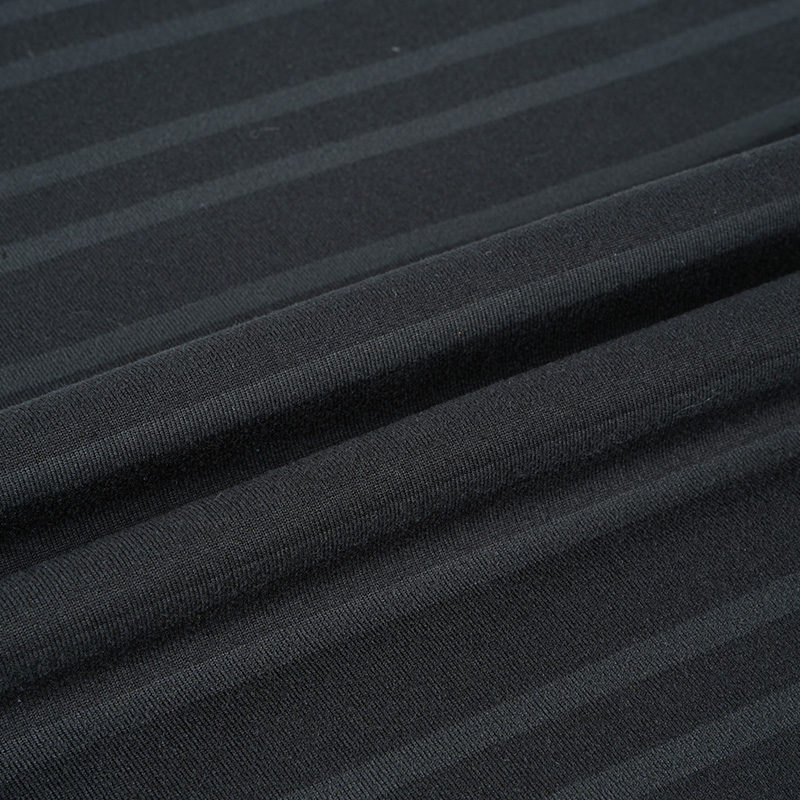
Mesh and tulle fabrics are lightweight, sheer materials often used in lingerie for a delicate, airy look. They provide breathability and a soft hand feel while offering transparency and layering possibilities. Mesh fabrics are commonly used in bralettes, inserts, and overlays, while tulle is favored for decorative panels and accents.
Key Features of Mesh and Tulle
- Sheer, lightweight, and breathable construction.
- Flexible and soft, ideal for layering or decorative designs.
- Limited stretch depending on fiber composition.
- Delicate structure that requires careful handling.
Microfiber Fabrics
Microfiber fabrics are synthetic materials made from ultrafine fibers, typically polyester or nylon. In lingerie, microfiber is valued for its smooth texture, stretch, and durability. It is used in seamless underwear, bras, and sports lingerie where comfort, flexibility, and moisture-wicking properties are important.
Key Features of Microfiber
- Soft and smooth surface with excellent drape.
- Good elasticity and shape retention.
- Moisture-wicking and breathable, suitable for active wear.
- Durable and resistant to pilling and wear.
Comparison of Popular Lingerie Fabrics
| Fabric | Texture & Appearance | Comfort & Breathability | Stretch & Durability |
| Lace | Delicate, decorative, openwork | Lightweight and breathable | Moderate, requires careful handling |
| Satin | Smooth, glossy, luxurious | Moderate | Moderate, depends on fiber |
| Silk | Smooth, lustrous, soft | Excellent, breathable, temperature-regulating | Moderate, delicate care required |
| Mesh/Tulle | Sheer, lightweight | High, breathable | Low to moderate, delicate structure |
| Microfiber | Smooth, soft, uniform | High, moisture-wicking | High, durable and elastic |
Conclusion: Selecting the Right Lingerie Fabric
Choosing lingerie fabrics requires balancing aesthetics, comfort, and functionality. Lace offers delicate decorative appeal, satin and silk provide luxury and smoothness, mesh and tulle ensure breathability, and microfiber delivers durability and flexibility. Understanding these characteristics allows designers and consumers to select the most suitable fabric for intimate apparel, ensuring both comfort and style.