 English
  Español
  عربى
عربى We are located in Haining City, Zhejiang Province, one of China's famous knitting industrial Bases.
Content
- 1 Understanding the 26P104 Fabric Construction
- 2 Moisture Management: The Hydrophilic Treatment Explained
- 3 Thermal Comfort and Ventilation During Competition
- 4 Lightweight Performance Without Sacrificing Durability
- 5 Dimensional Stability and Fit Retention Under Athletic Stress
- 6 Colour Vibrancy, Printability, and Team Identity
- 7 Performance Property Summary: 26P104 vs. Common Uniform Fabric Alternatives
- 8 Sports and Competition Contexts Where 26P104 Delivers Maximum Benefit
Understanding the 26P104 Fabric Construction
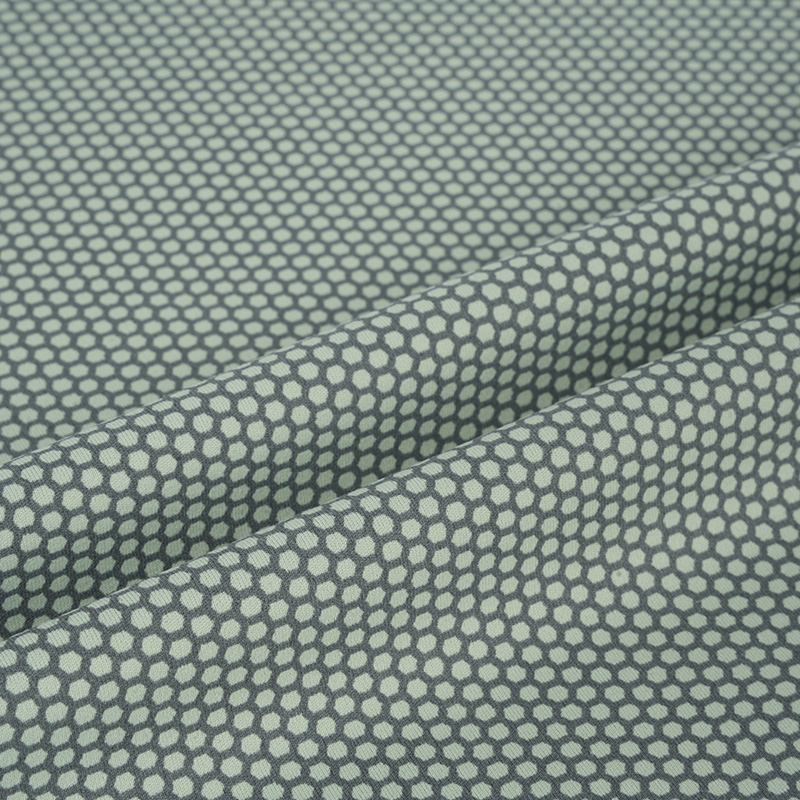
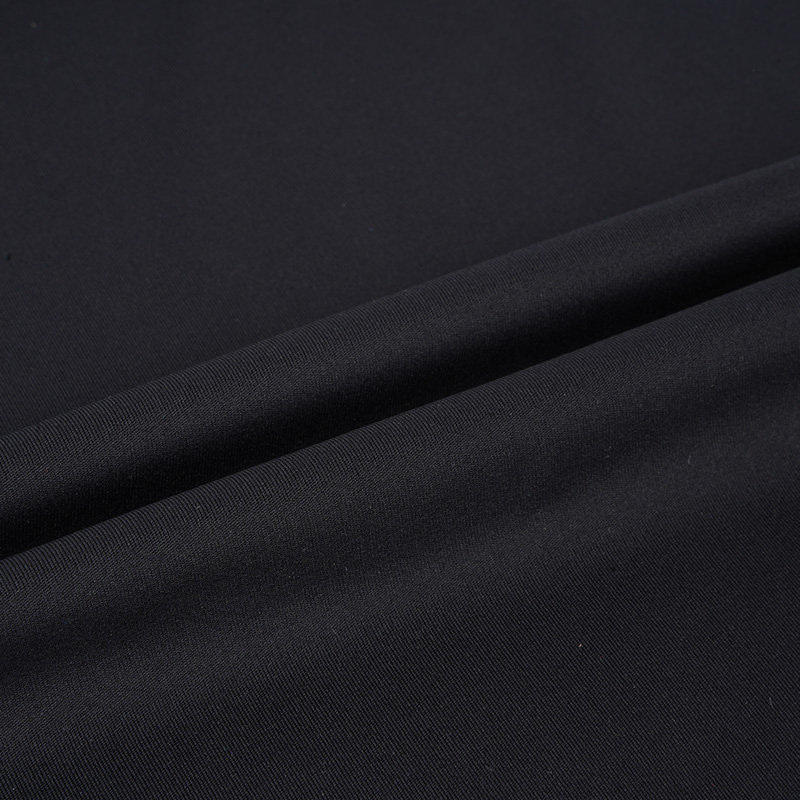
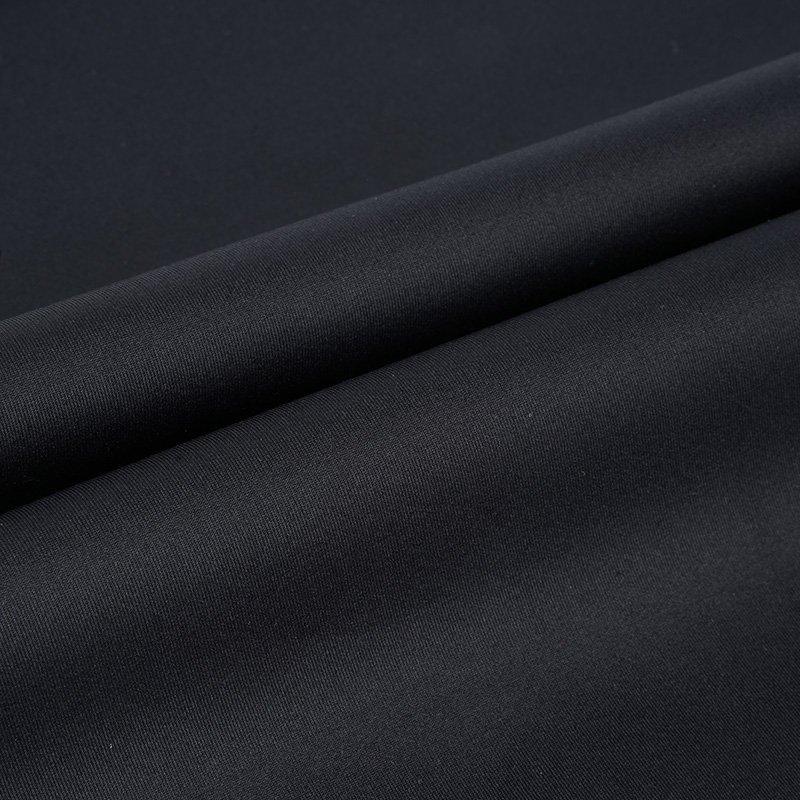
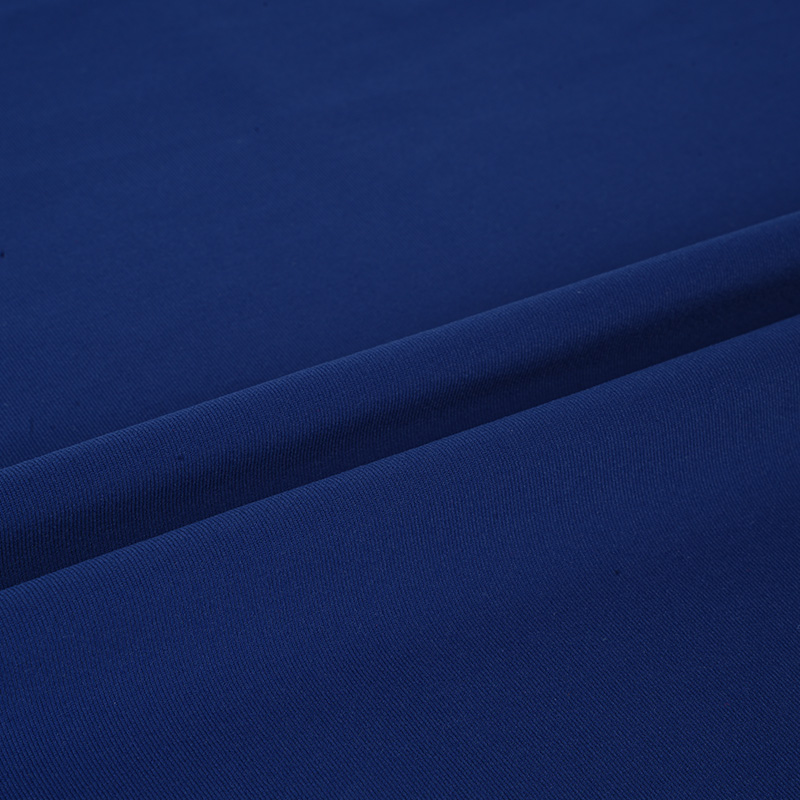
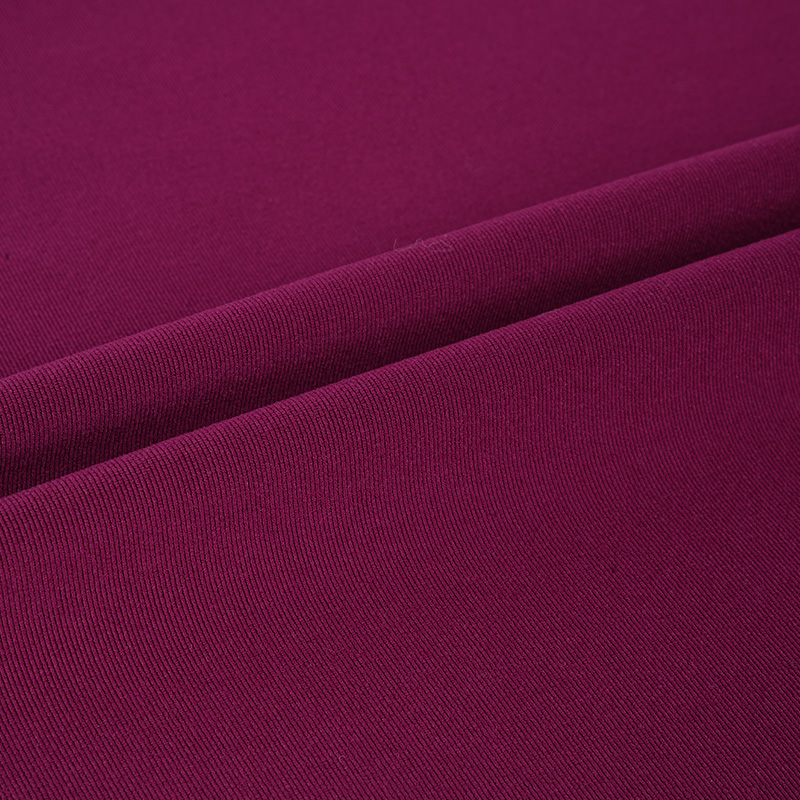
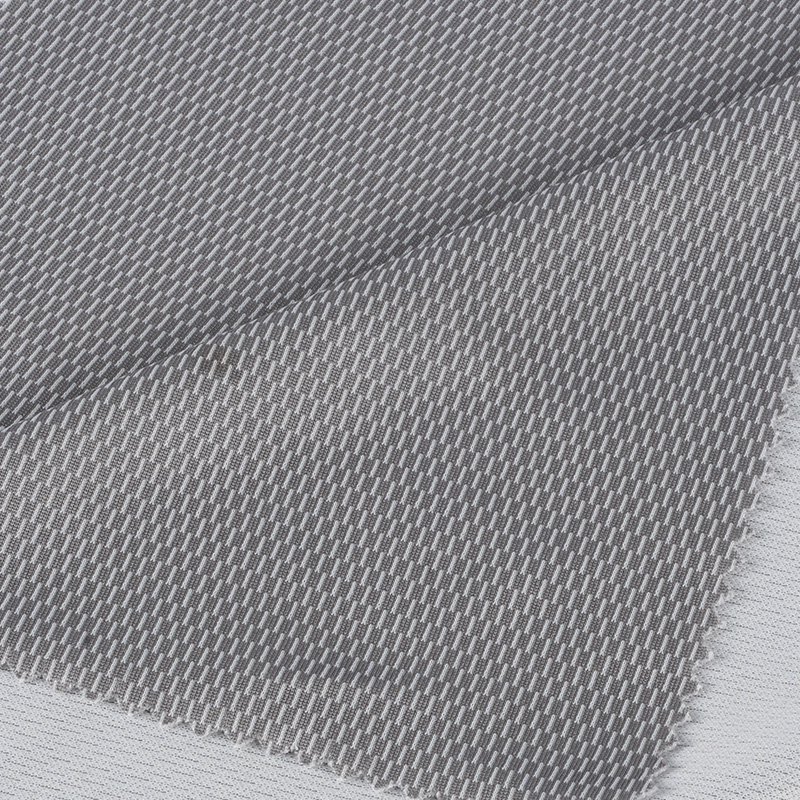
26P104 is a purpose-engineered textile constructed from 100% polyester yarns in a birdseye mesh structure, finished with a hydrophilic treatment to enhance moisture absorption and transport. The birdseye mesh weave — named for the small, repeating geometric apertures that resemble a bird's eye when viewed closely — produces a fabric with a regular, open structure that is fundamentally different in performance from plain woven or knitted polyester fabrics. Each aperture in the mesh acts as a micro-ventilation channel, allowing air to circulate freely through the fabric plane and accelerating the evaporation of perspiration from the skin surface beneath.
The two-tone construction of 26P104 refers to the use of two differentiated yarn types or colours within the weave structure, creating a subtle surface pattern that serves both aesthetic and functional purposes. Aesthetically, the two-tone effect produces a premium visual appearance appropriate for competition-grade garments, distinguishing the uniform from basic single-colour training apparel. Functionally, the alternating yarn structure contributes to the fabric's dimensional stability by creating interlocking zones of tension within the mesh, reducing distortion under the dynamic stresses of athletic movement. This combination of open structure, two-tone construction, and hydrophilic surface chemistry makes 26P104 a technically sophisticated fabric engineered specifically for high-output athletic applications.
Moisture Management: The Hydrophilic Treatment Explained
Standard polyester fibre is inherently hydrophobic — its chemical structure repels water rather than absorbing it, which means that perspiration generated at the skin surface tends to pool and remain in liquid form against the body rather than spreading and evaporating. While this hydrophobicity is advantageous in waterproof applications, it is a performance liability in competition uniforms, where accumulated liquid sweat increases garment weight, creates uncomfortable clinging against the skin, and reduces the evaporative cooling effect that is critical for thermoregulation during high-intensity activity.
The hydrophilic finish applied to 26P104 modifies the surface energy of the polyester fibres by depositing a thin coating of hydrophilic polymer — typically a polyethylene glycol-based or polyester-polyurethane block copolymer compound — that increases the fibre surface's affinity for water. This modification allows sweat to spread rapidly across a larger fibre surface area through capillary action, a process known as wicking. Once distributed across a wider area of fabric, the moisture film has a larger surface-to-volume ratio and evaporates substantially faster than a pooled liquid droplet of equivalent volume. Laboratory wicking rate testing on hydrophilic-treated polyester meshes of this construction type typically demonstrates horizontal wicking distances of 100–150 mm in 30 seconds and vertical wicking heights of 80–120 mm in the same period — performance metrics that benchmark favourably against leading commercial moisture-management fabrics.
Absorbency vs. Wicking: The Balance in 26P104
It is important to distinguish between absorbency and wicking in the context of this fabric. True fibre absorbency — the uptake of water into the fibre's internal structure — is minimal in polyester regardless of surface treatment, as the polymer chains do not swell or hydrate in the way that cotton or wool fibres do. The hydrophilic treatment on 26P104 enhances surface absorption and capillary-driven transport rather than bulk fibre uptake, which is the correct mechanism for athletic moisture management. Surface-driven wicking allows moisture to be moved away from the skin quickly and evaporated efficiently, whereas bulk fibre absorption would saturate the fabric and produce the heavy, water-logged feel that athletes find most uncomfortable during sustained effort.
Thermal Comfort and Ventilation During Competition
Thermoregulation is one of the most critical physiological challenges in competitive sport. Core body temperature rises rapidly during high-intensity exercise, and the primary mechanism for heat dissipation is evaporative cooling through sweat. A competition uniform that impedes this cooling process — by trapping heat, blocking airflow, or retarding sweat evaporation — directly degrades athletic performance by accelerating the onset of thermal fatigue and increasing perceived exertion at any given workload.
The open birdseye mesh structure of 26P104 addresses this by providing measurably higher air permeability than equivalent-weight woven or tightly knitted polyester fabrics. Air permeability in textile testing is expressed in mm/s (millimetres per second of airflow through a fabric sample under standardised pressure differential), and open mesh constructions consistently outperform closed-weave fabrics by a factor of three to ten times at equivalent fabric weight. This enhanced airflow through the fabric promotes convective heat loss from the skin surface and accelerates evaporation of the moisture film delivered to the fabric surface by the hydrophilic wicking system — creating a compound cooling effect that neither the mesh structure nor the hydrophilic treatment could deliver independently.
For sports conducted in warm or humid environments — including athletics, basketball, volleyball, football, cycling, and racket sports — this ventilation performance is directly correlated with athlete comfort and endurance. Studies on textile thermal resistance and cooling rate have demonstrated that garments with high air permeability reduce microclimate temperature (the air layer between the skin and the fabric) by 1–3°C compared to impermeable equivalents at equivalent metabolic loads — a difference that is physiologically meaningful in sustained competition lasting more than a few minutes.
Lightweight Performance Without Sacrificing Durability
Competition uniforms must simultaneously achieve the lowest practical fabric weight — to minimise the mass carried by the athlete and maximise freedom of movement — and sufficient mechanical durability to withstand the repeated stresses of laundering, physical contact, and sustained wear across an entire competitive season. These objectives are often in tension: reducing fabric weight typically reduces yarn count and fabric density, which can compromise tensile strength, abrasion resistance, and dimensional stability.
26P104 resolves this tension through the inherent mechanical efficiency of the polyester birdseye mesh construction. Polyester filament yarns have a tenacity of approximately 4.0–7.0 cN/dtex — substantially higher than cotton (2.0–5.0 cN/dtex) or standard nylon (4.0–6.5 cN/dtex) — allowing the fabric to achieve competitive tensile and tear strength at lower fabric weights than natural fibre equivalents. The mesh structure also distributes applied loads across multiple yarn intersections rather than concentrating stress at individual warp-weft crossings, improving resistance to tear propagation under the kind of localised stress that occurs when a uniform is grabbed, stretched around a shoulder pad, or snagged on equipment.
Polyester's resistance to hydrolytic degradation means that repeated washing — a demanding cycle for competition uniforms used multiple times per week — does not progressively weaken the yarn structure as it does for hydrolysis-susceptible fibres. The hydrophilic finish on 26P104 is engineered to survive a defined number of wash cycles (typically 20–50 industrial laundry cycles at 40–60°C for finishes of this type) while retaining the majority of its wicking performance, ensuring that the moisture management properties remain active throughout the practical service life of the garment.
Dimensional Stability and Fit Retention Under Athletic Stress
Competition uniforms must maintain their intended fit and silhouette throughout the full duration of use — including during the dynamic stretching, sprinting, jumping, and directional changes that characterise most sports. A fabric that elongates excessively under load, fails to recover after stretching, or distorts in the wash produces a garment that fits incorrectly during competition, creating both a performance disadvantage and a non-compliant appearance that may attract official scrutiny in strictly regulated sports.
The two-tone birdseye mesh structure of 26P104 contributes to dimensional stability through its interlocked yarn geometry, which limits the elongation of individual mesh apertures under biaxial loading. Polyester's low moisture regain (0.4% at standard conditions) also means that the fabric does not swell significantly when wet, preventing the dimensional distortion that occurs in moisture-absorbent fabrics as they transition from dry to wet states during perspiration. This wet-dimensional stability is particularly important in competition contexts where a garment that fits correctly at the start of a race or match must continue to fit correctly as sweat saturation increases.
Colour Vibrancy, Printability, and Team Identity
Competition uniforms carry a significant identity function beyond their physical performance role: they represent team or national colours, carry sponsor branding, and project a visual impression of professionalism and cohesion. The fabric substrate must support vibrant, durable colouration and printing that meets the specification requirements of team identity guidelines and broadcasting visibility standards.
100% polyester fabrics including 26P104 are coloured using disperse dyes, which diffuse into the amorphous regions of the polyester polymer under heat and pressure in a process known as sublimation or thermosol dyeing. Disperse-dyed polyester achieves excellent colourfastness ratings — typically Grade 4–5 (out of 5) on ISO 105 wash, light, and perspiration fastness tests — and is compatible with dye-sublimation printing processes that allow photographic-quality graphics, gradient colour effects, and fine typographic detail to be reproduced directly on the fabric surface without the raised texture or durability limitations of screen-printed overlays.
The two-tone character of 26P104 creates an additional visual dimension by producing a fabric surface with inherent tonal variation, which interacts with printed colours and team graphics to create depth effects not achievable on single-tone substrates. This aesthetic versatility, combined with the reliability of disperse dye colourfastness in repeated washing, makes 26P104 suitable for competition uniforms where both visual performance and long-term colour integrity are specified requirements.
Performance Property Summary: 26P104 vs. Common Uniform Fabric Alternatives
| Property | 26P104 Birdseye Mesh | Standard Polyester Jersey | Cotton Piqué Mesh |
|---|---|---|---|
| Moisture wicking | Excellent (hydrophilic finish) | Moderate | Poor (bulk absorption) |
| Air permeability | Very high (open mesh) | Low to moderate | Moderate |
| Dry-out speed | Fast | Moderate | Slow |
| Dimensional stability (wet) | Excellent | Good | Poor (swells when wet) |
| Wash durability | Very good | Very good | Moderate |
| Sublimation printability | Excellent | Excellent | Not compatible |
| Fabric weight efficiency | High (lightweight for function) | Moderate | Low (heavy for function) |
Sports and Competition Contexts Where 26P104 Delivers Maximum Benefit
The combination of properties in 26P104 makes it most valuable in sports where sustained high-intensity effort, significant perspiration generation, close-fitting uniforms, and visual presentation requirements converge simultaneously. The following application contexts represent the best fit for this fabric's performance profile:
- Track and field athletics: Sprinters, middle-distance runners, and field athletes generate high sweat rates in minimal garment coverage, placing maximum demand on wicking rate and dry-out speed. The lightweight mesh construction minimises aerodynamic drag while the hydrophilic treatment prevents sweat accumulation under a skin-fit singlet or shorts.
- Basketball and volleyball: Intermittent high-intensity effort with frequent direction changes demands both thermal comfort during active phases and rapid dry-out during brief rest periods. The birdseye mesh structure provides the ventilation needed to manage the high sweat rates typical of indoor court sports in warm arena environments.
- Cycling and triathlon: Aerodynamic jersey fabrics for road cycling and triathlon require a balance of low drag, moisture transport, and colourfast sublimation printing for team identification. 26P104's dimensional stability and printability make it a strong candidate for the torso sections of competition jerseys and race suits.
- Football and rugby sevens: Contact sports uniforms must withstand physical pulling and abrasion while maintaining moisture management across 70–80 minutes of sustained play. The tear-resistant properties of the birdseye mesh polyester construction address the durability requirement without the weight penalty of heavier woven fabrics.
- Esports and gaming jerseys: While metabolic demands are lower, esports team uniforms worn during broadcast competitions require the same visual quality, colour accuracy, and professional appearance as traditional athletic uniforms. The sublimation printability and two-tone aesthetic of 26P104 meet this requirement while providing comfort during extended seated wear under studio lighting.
Across all these contexts, 26P104 delivers its performance advantage through the integration of its structural and chemical properties rather than through any single outstanding attribute. The birdseye mesh provides the air permeability that the hydrophilic treatment requires to function effectively; the polyester base provides the colourfastness and durability that the two-tone aesthetic and repeated laundering demand; and the specific mesh geometry provides the dimensional stability that close-fitting competition cuts require. It is this multi-property integration — rather than optimisation of any single variable — that qualifies 26P104 as a genuinely appropriate choice for serious competition uniform applications.