 English
  Español
  عربى
عربى We are located in Haining City, Zhejiang Province, one of China's famous knitting industrial Bases.
Content
- 1 Understanding 88% Polyester and 12% Spandex Space-Dye Fabric
- 2 Why Fiber Composition Matters in Underwear Fabric
- 3 Elasticity and Body-Adaptive Comfort
- 4 Breathability and Moisture Management Performance
- 5 Durability and Long-Term Wear Performance
- 6 Space-Dye Knitting and Aesthetic Enhancement
- 7 Fabric Weight and Structural Balance (180 g/m²)
- 8 Performance Comparison with Other Common Underwear Fabrics
- 9 Skin Comfort and Wearability Factors
- 10 Practical Applications in Underwear Manufacturing
- 11 Cost Efficiency and Manufacturing Advantages
- 12 Future Trends in Functional Underwear Fabrics
Understanding 88% Polyester and 12% Spandex Space-Dye Fabric
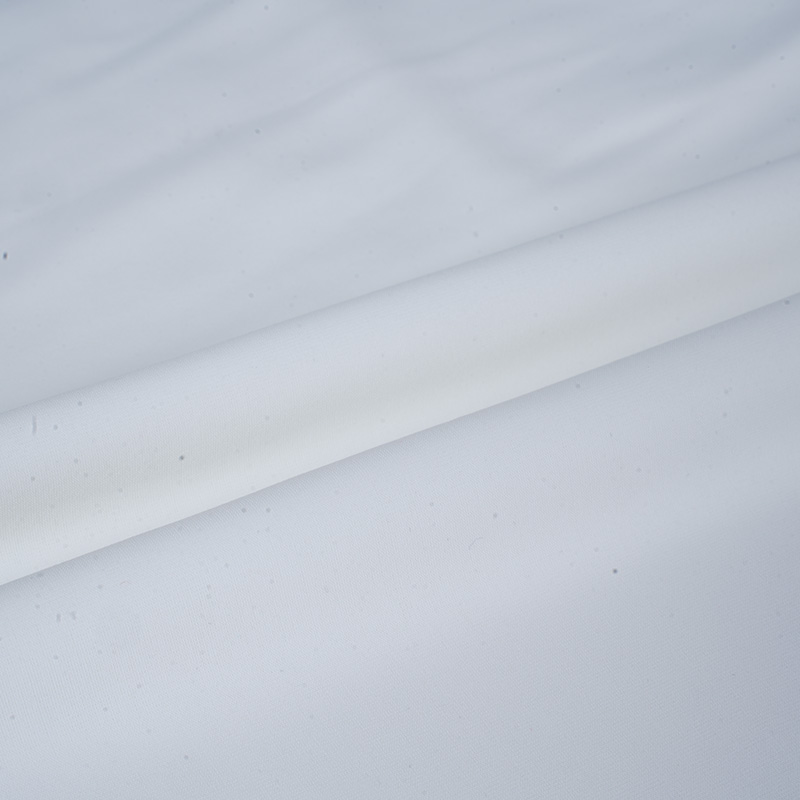
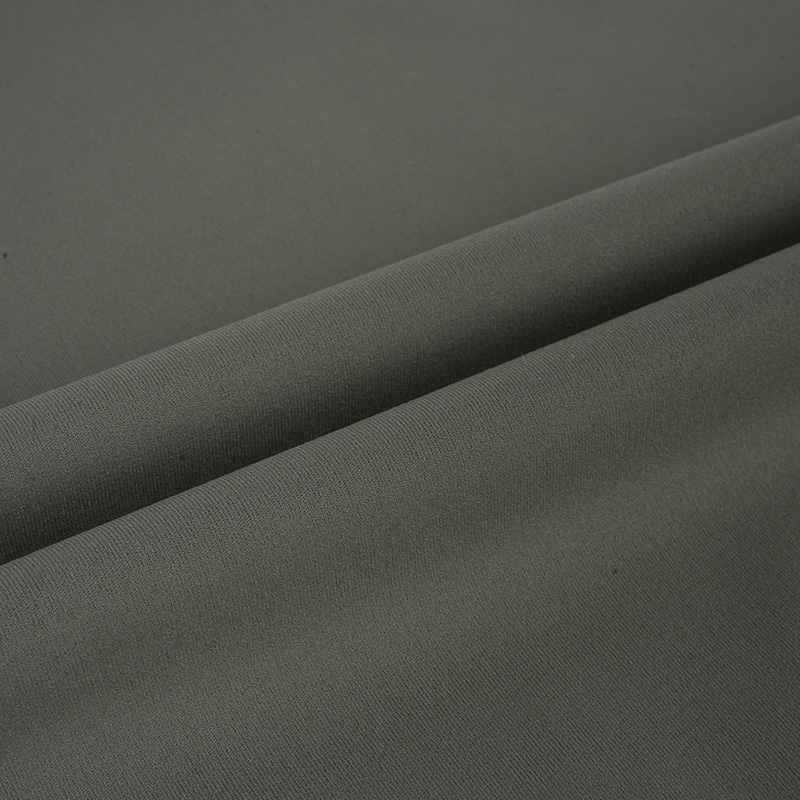
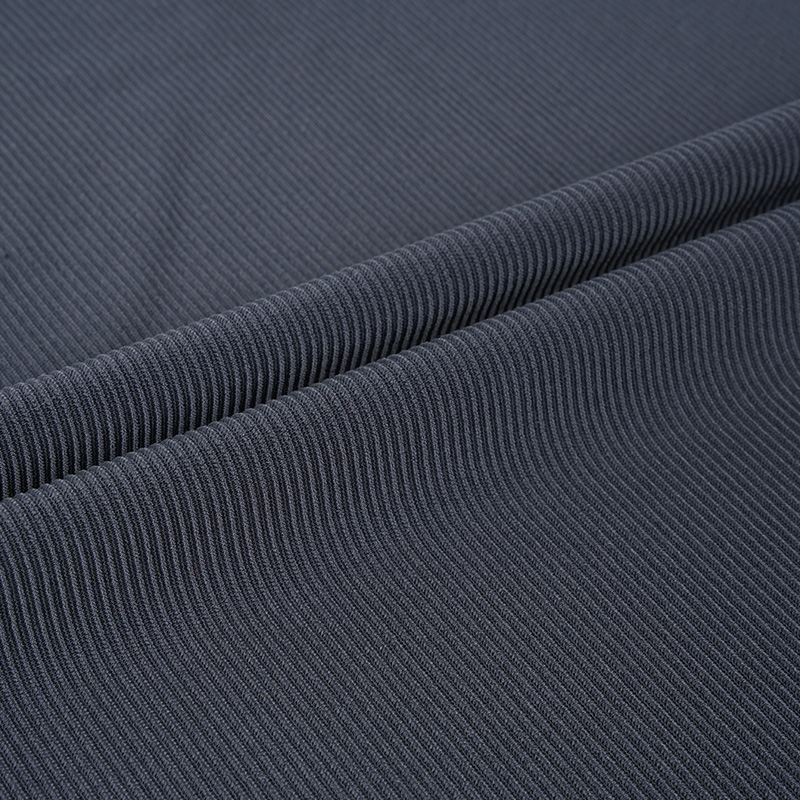
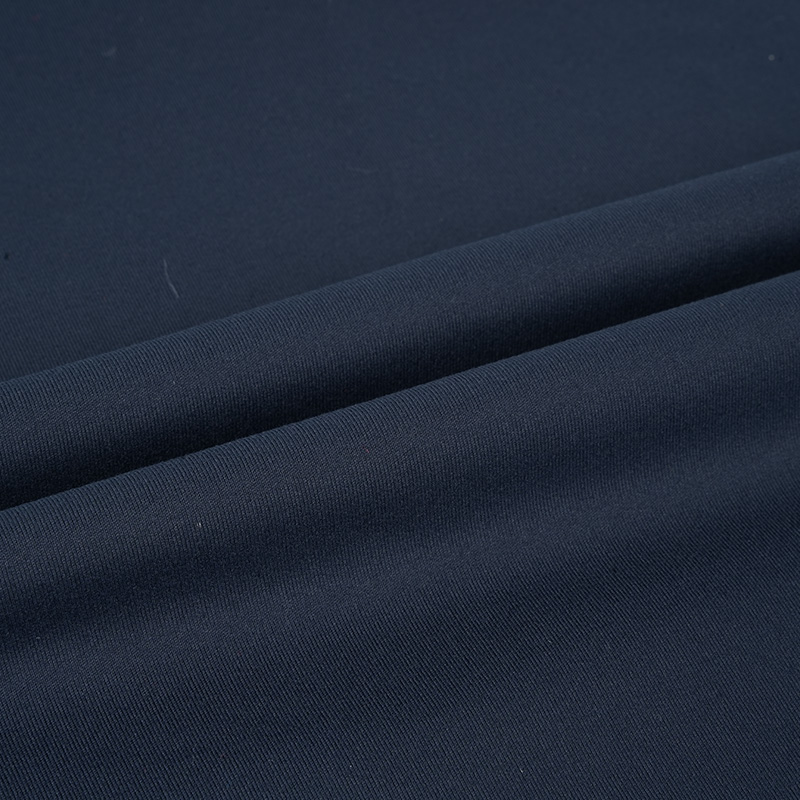
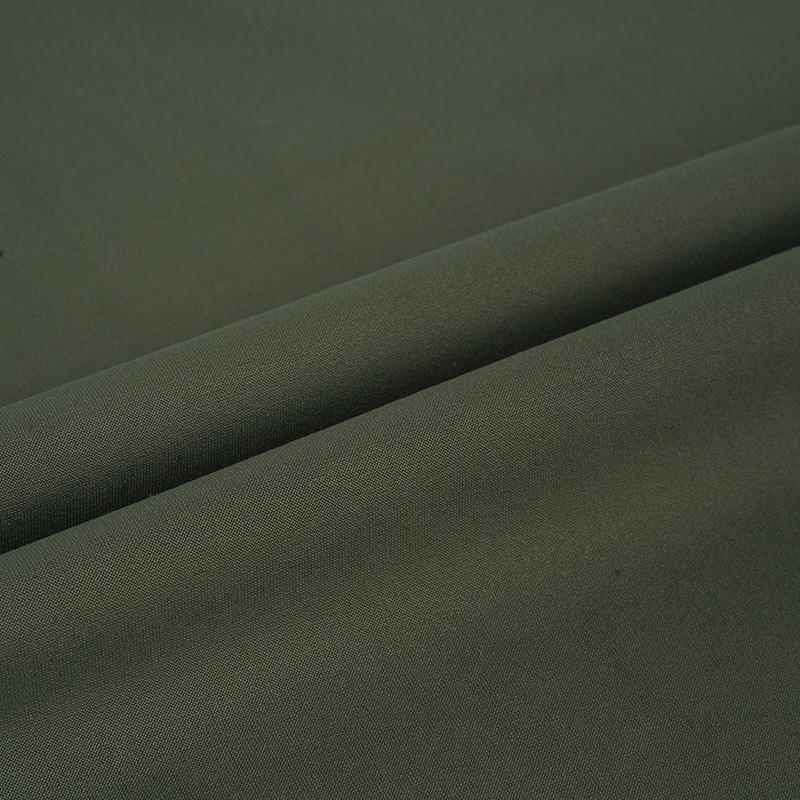
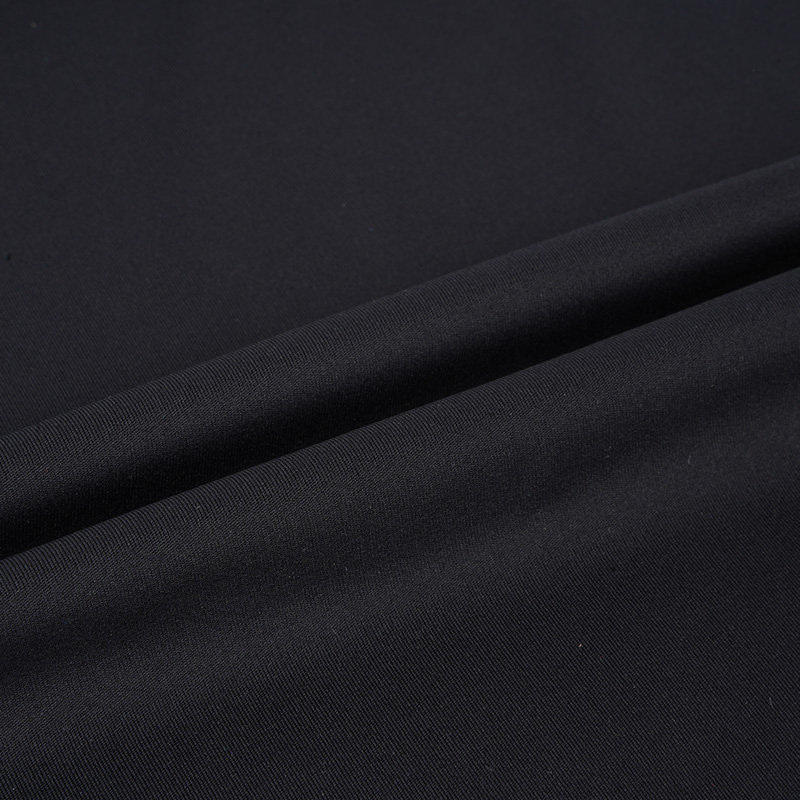
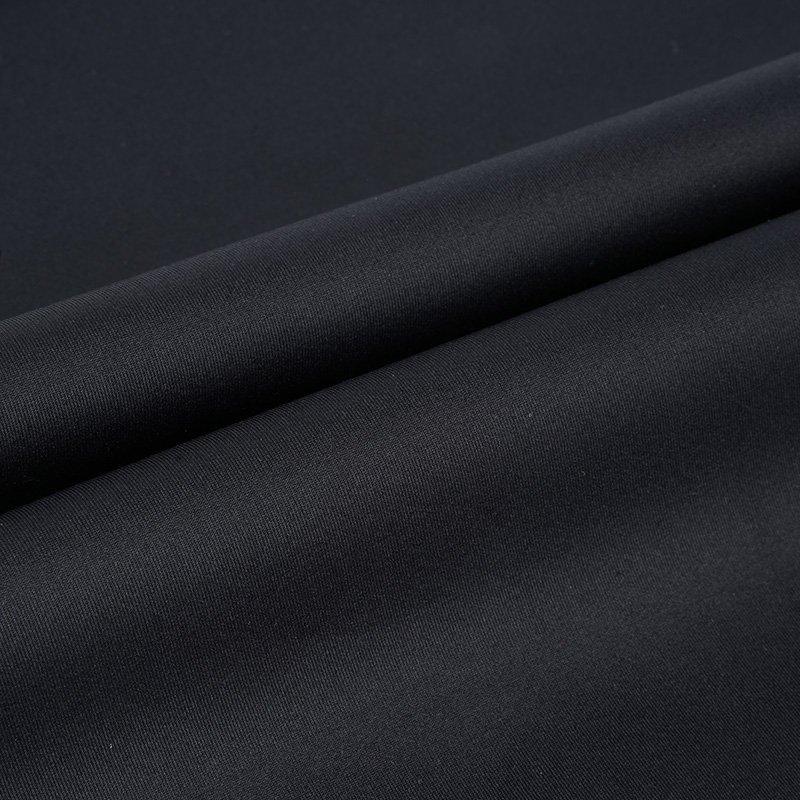
The breathable space-dye knitted fabric composed of 88% polyester and 12% spandex at 180 g/m² has become a widely used material in modern underwear production. Its growing popularity is driven by a balanced combination of elasticity, moisture management, durability, and softness that meets the performance expectations of daily intimate apparel.
Unlike traditional cotton-only fabrics, this engineered blend is designed to provide functional comfort, maintaining shape stability while adapting to body movement. The space-dye knitting technique further enhances visual depth and texture, making the fabric both functional and aesthetically appealing.
Why Fiber Composition Matters in Underwear Fabric
Underwear requires fabric that sits directly against the skin for long periods, making fiber selection critical. The 88/12 polyester-spandex blend is engineered to solve common issues such as loss of elasticity, moisture retention, and fabric deformation after repeated washing.
Polyester provides structural strength, quick-drying properties, and resistance to shrinking, while spandex delivers essential stretch and recovery. Together, they create a fabric that maintains comfort and fit throughout the day.
Elasticity and Body-Adaptive Comfort
One of the most important advantages of this fabric is its high elasticity. The 12% spandex content allows the fabric to stretch significantly without losing structural integrity, making it ideal for garments that require close body contact and freedom of movement.
This elasticity ensures that underwear made from this fabric adapts to different body shapes, reducing pressure points and preventing tightness during sitting, walking, or physical activity.
Key Elasticity Benefits
- Four-way stretch for unrestricted movement
- Excellent shape retention after repeated wear
- Reduced fabric sagging over time
Breathability and Moisture Management Performance
Despite being a synthetic blend, this fabric is engineered for breathability. The knitted structure allows air circulation, while polyester fibers actively wick moisture away from the skin, keeping the wearer dry and comfortable.
The 180 g/m² weight provides an optimal balance between lightweight comfort and sufficient coverage, preventing the fabric from feeling too thin or overly insulating.
Moisture Control Mechanism
The hydrophobic nature of polyester accelerates drying, while the knitted structure enhances evaporation by increasing surface area exposure. This combination helps regulate skin temperature and reduces discomfort caused by sweat accumulation.
Durability and Long-Term Wear Performance
Underwear fabrics must withstand frequent washing and daily wear without losing shape or softness. Polyester is highly resistant to abrasion and chemical degradation, making it an excellent base fiber for long-term use.
The inclusion of spandex does not compromise durability when properly blended; instead, it enhances fabric resilience by allowing controlled deformation and recovery.
Space-Dye Knitting and Aesthetic Enhancement
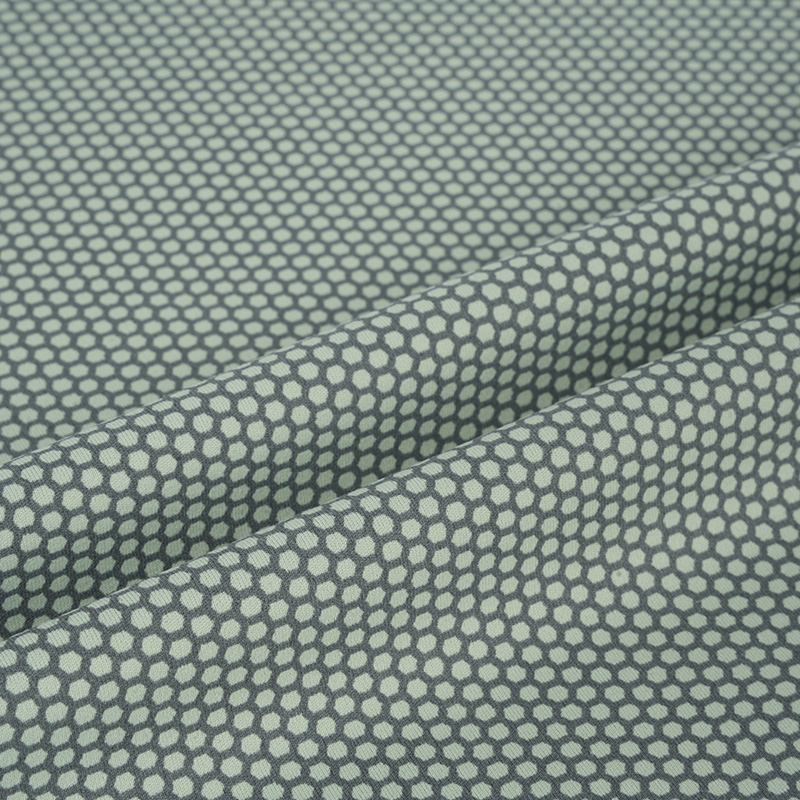
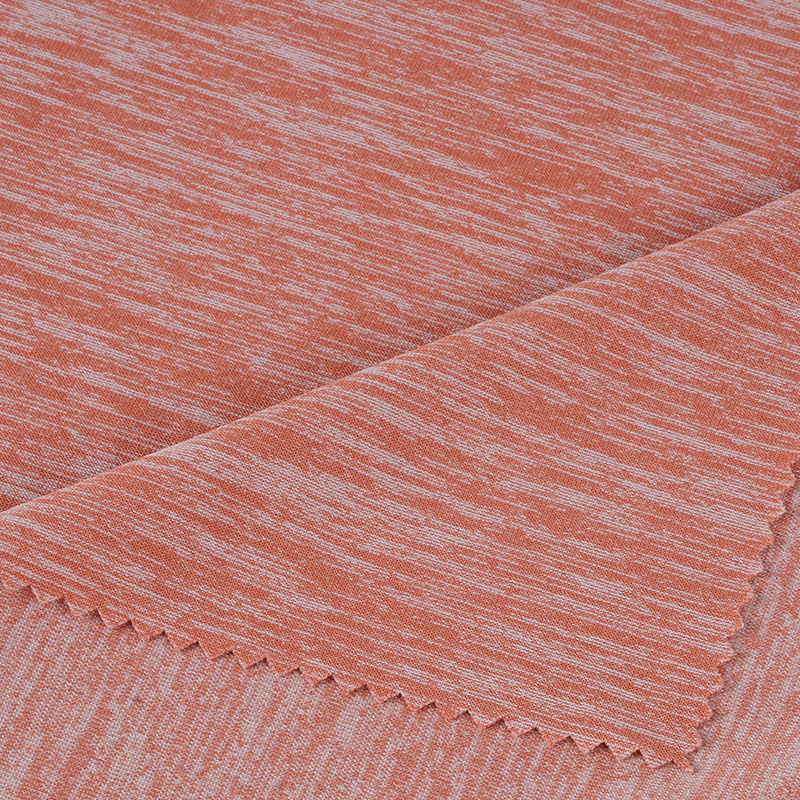
The space-dyeing process introduces multiple color variations within a single yarn, creating a dynamic, textured visual effect. This technique enhances the fabric’s aesthetic appeal without affecting its performance characteristics.
In underwear applications, this allows manufacturers to produce visually distinctive products without relying on heavy printing or surface treatments, preserving softness and breathability.
Fabric Weight and Structural Balance (180 g/m²)
The weight of 180 g/m² is particularly suitable for underwear because it offers a balanced structure that is neither too sheer nor too heavy. This ensures adequate coverage while maintaining comfort and flexibility.
Lighter fabrics may lack durability, while heavier fabrics can reduce breathability and comfort. The mid-weight construction of this fabric makes it ideal for year-round use.
Performance Comparison with Other Common Underwear Fabrics
| Fabric Type | Stretchability | Breathability | Durability | Moisture Control |
| Cotton | Low to Medium | High | Medium | Medium |
| Nylon Blends | High | Medium | High | High |
| 88% Polyester + 12% Spandex | Very High | High | Very High | Very High |
Skin Comfort and Wearability Factors
Comfort is one of the most critical factors in underwear design. This fabric achieves a soft hand-feel through fine knitting techniques and optimized fiber blending, reducing skin irritation during prolonged wear.
The fabric also minimizes friction due to its smooth surface structure, making it suitable for sensitive skin and active lifestyles.
Practical Applications in Underwear Manufacturing
This fabric is widely used in men’s and women’s underwear, sports underwear, seamless garments, and loungewear. Its versatility allows manufacturers to produce a wide range of styles without changing base material specifications.
- Everyday underwear with enhanced durability and stretch
- Sports underwear requiring sweat management and flexibility
- Seamless underwear with smooth fit and reduced irritation
Cost Efficiency and Manufacturing Advantages
From a production perspective, polyester-spandex blends are cost-efficient and highly compatible with automated knitting systems. This allows manufacturers to achieve consistent quality at scale while reducing production variability.
The fabric’s stability during dyeing and finishing processes also reduces waste and improves production efficiency, making it economically attractive for large-scale underwear brands.
Future Trends in Functional Underwear Fabrics
The demand for performance-oriented underwear fabrics continues to grow as consumers prioritize comfort, durability, and functional benefits. Blended fabrics like 88% polyester and 12% spandex are expected to remain dominant due to their balanced performance profile.
Future innovations may further enhance breathability, antimicrobial properties, and sustainability through recycled polyester and bio-based elastane alternatives.