 English
  Español
  عربى
عربى We are located in Haining City, Zhejiang Province, one of China's famous knitting industrial Bases.
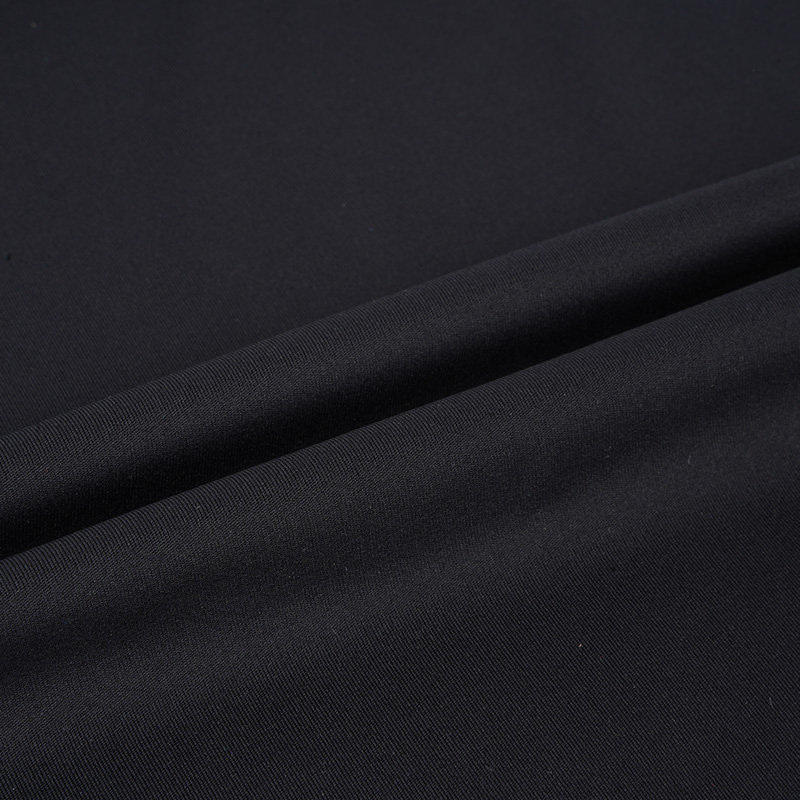
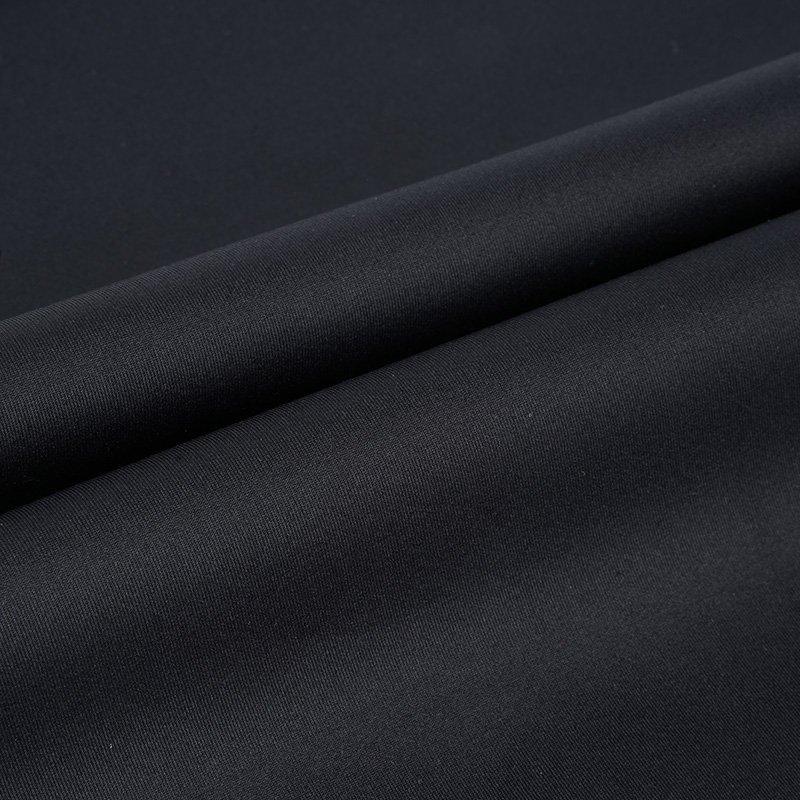
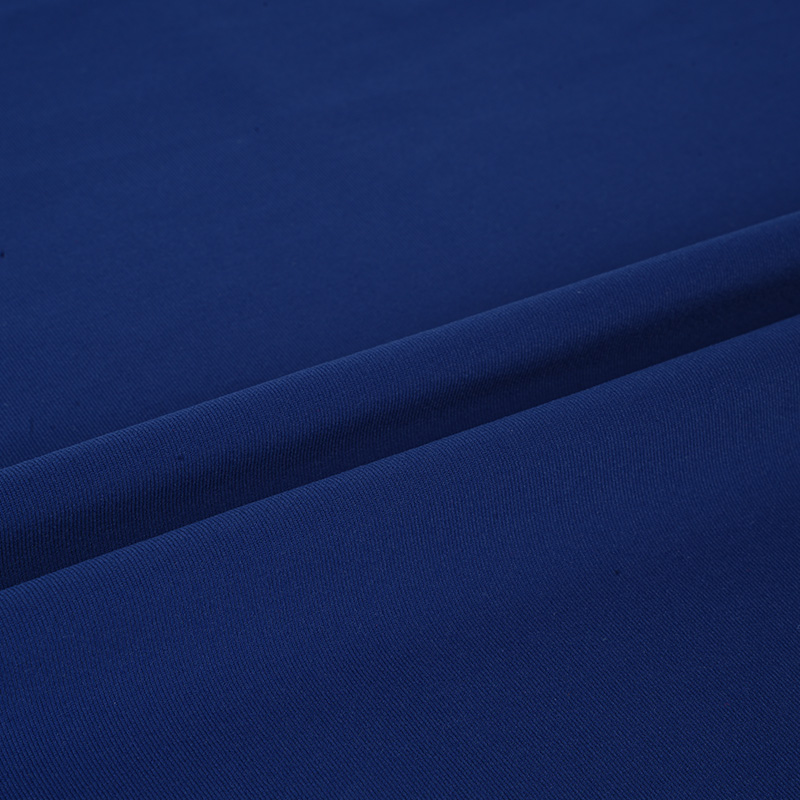
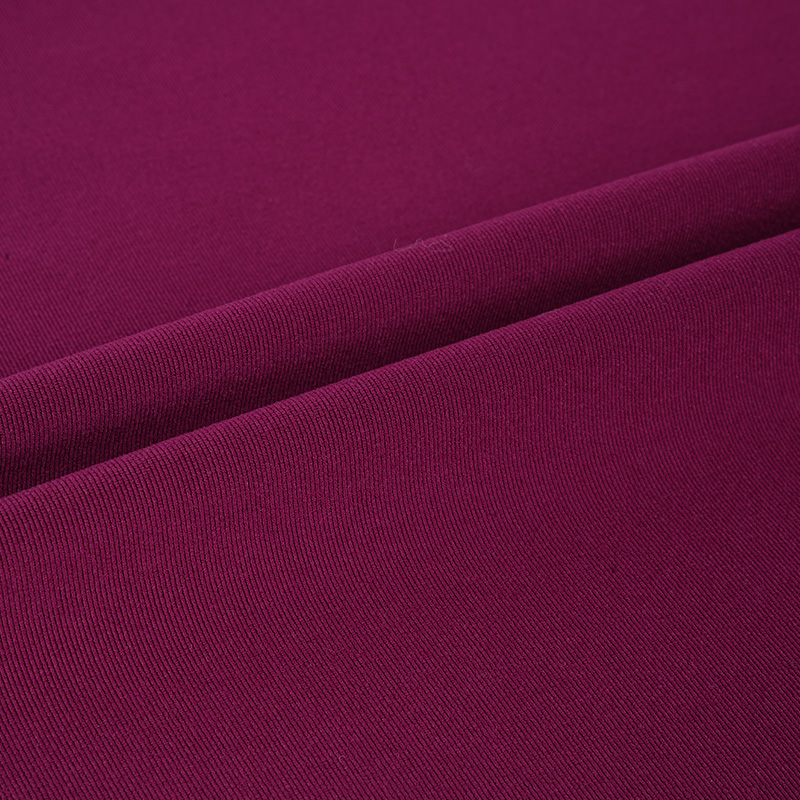
As the apparel industry pushes toward more responsible material sourcing without sacrificing performance or wearer comfort, recycled poly 5% spandex soft touch single jersey has emerged as a fabric that genuinely delivers on all three fronts. It combines the environmental credentials of post-consumer recycled polyester with the body-conforming stretch of spandex and a surface finish that feels noticeably softer and more refined against the skin than conventional polyester knits. For brands, manufacturers, and designers sourcing fabric for activewear, casual tops, intimate layers, or athleisure, understanding the technical construction and practical advantages of this fabric is essential to making confident material decisions.
Content
- 1 What Is Recycled Poly 5% Spandex Single Jersey?
- 2 The Recycled Polyester Fiber: Environmental Value and Yarn Performance
- 3 Why the 5% Spandex Ratio Matters for Comfort and Function
- 4 Soft Touch Finishing: How It Is Achieved and What It Does
- 5 Performance Comparison: Key Fabric Specifications at a Glance
- 6 Ideal Applications Across Apparel Categories
- 7 Care, Washing, and Longevity Considerations
What Is Recycled Poly 5% Spandex Single Jersey?
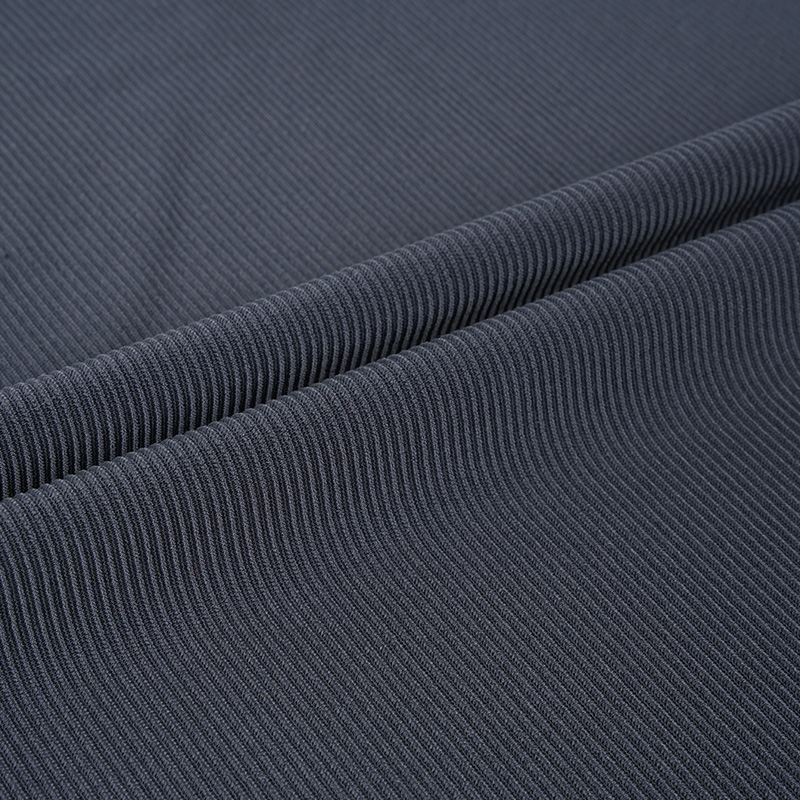
Single jersey is one of the most fundamental knit fabric constructions in textile manufacturing. It is produced on a circular knitting machine using a single set of needles, creating a fabric with a smooth, flat face side and a slightly looped or textured reverse side. The structure is lightweight, lies flat without excessive bulk, and drapes naturally against the body — characteristics that make it the default choice for T-shirts, leggings liners, fitted tops, and undergarment shells worldwide.
In this specific fabric, the base fiber is recycled polyester — polyester yarn spun from mechanically or chemically processed post-consumer plastic, most commonly PET bottles or recovered textile waste. The recycled polyester content typically makes up 95% of the fabric by weight, while the remaining 5% is elastane (spandex), a segmented polyurethane fiber that provides stretch and recovery. This ratio is a carefully calibrated balance: enough spandex to give the fabric meaningful two-way or four-way stretch and recovery properties, without the higher spandex content that would complicate recycling at the fabric's end of life and add unnecessary cost.
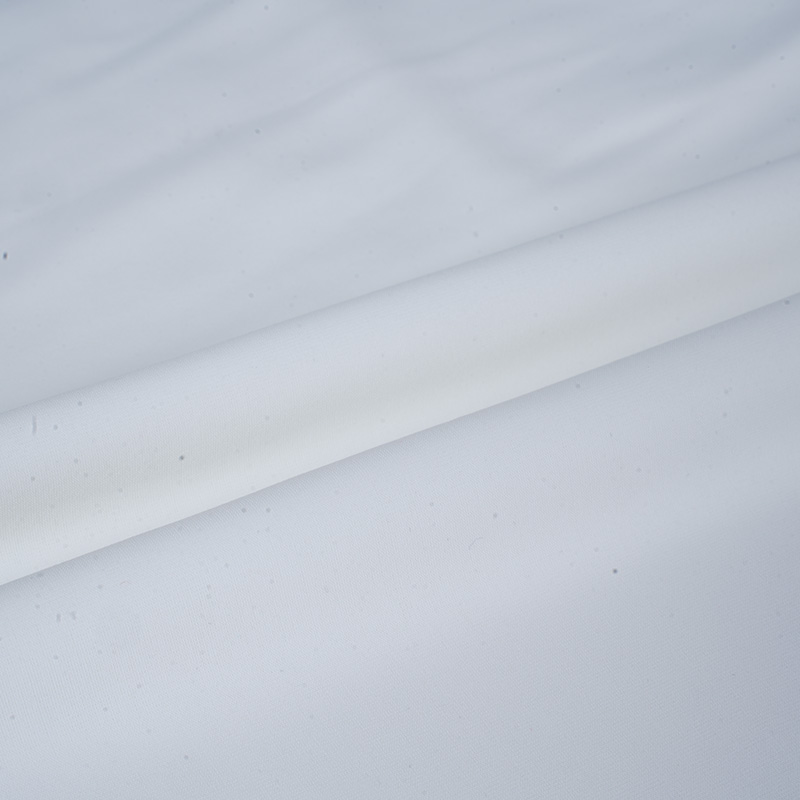
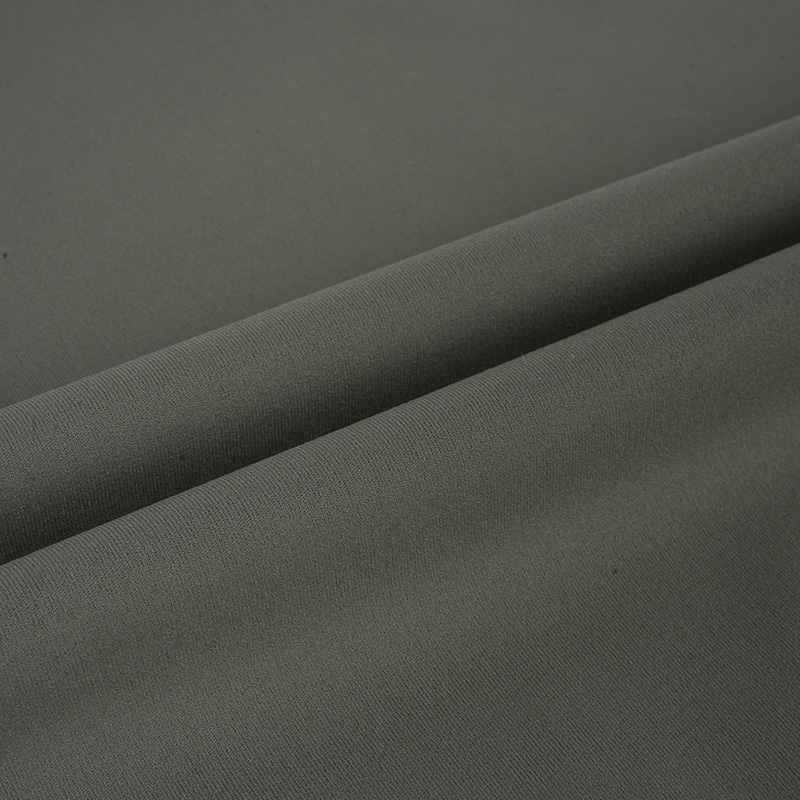
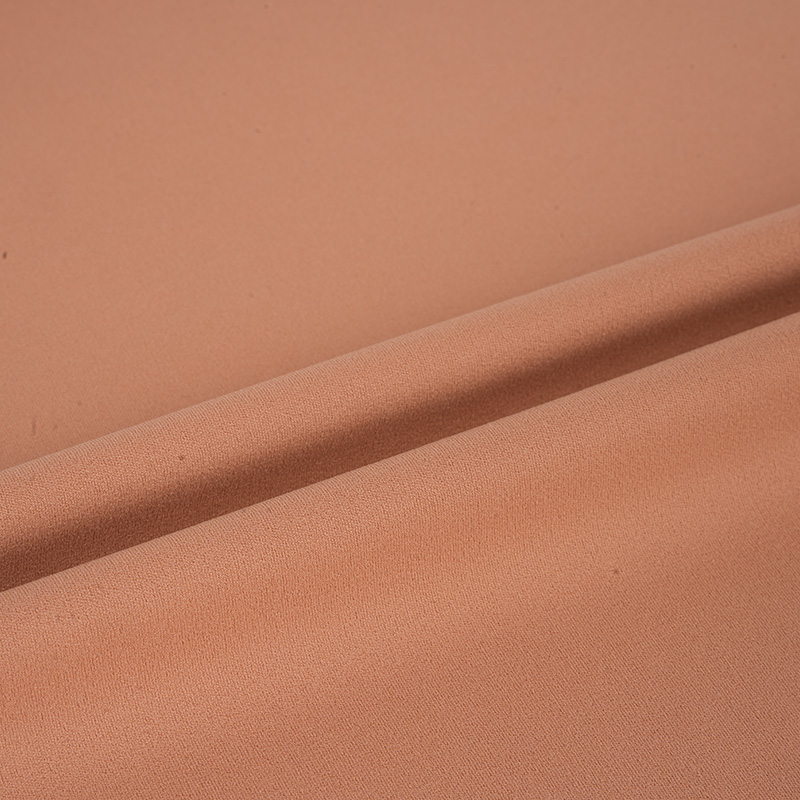
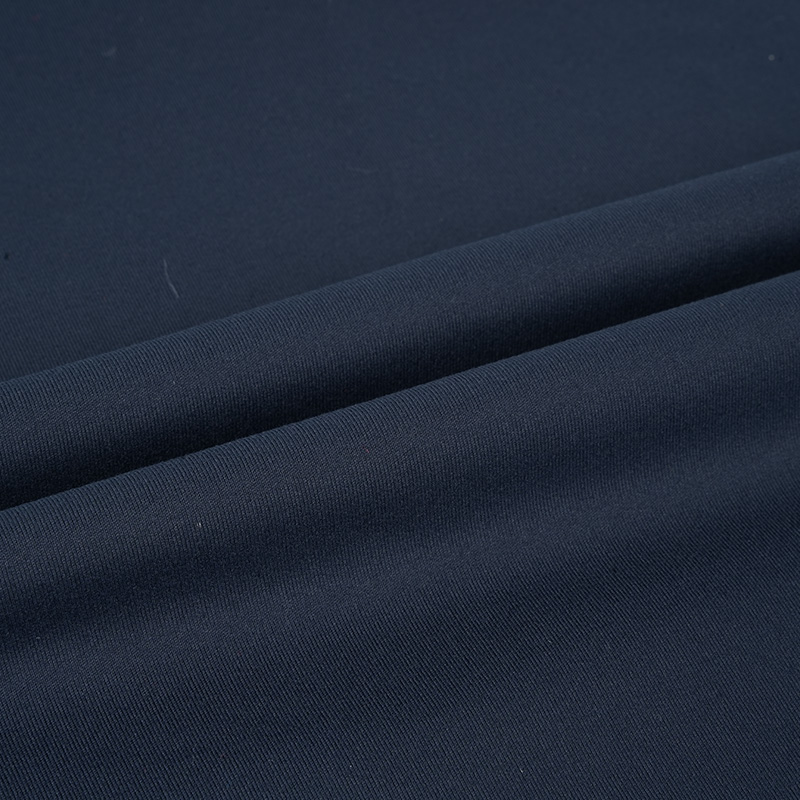
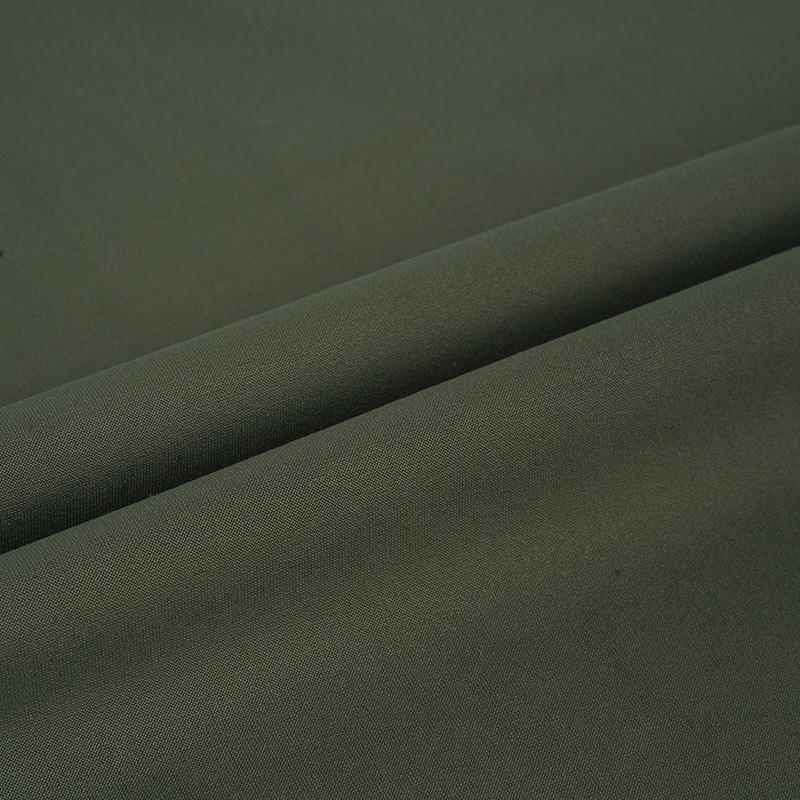
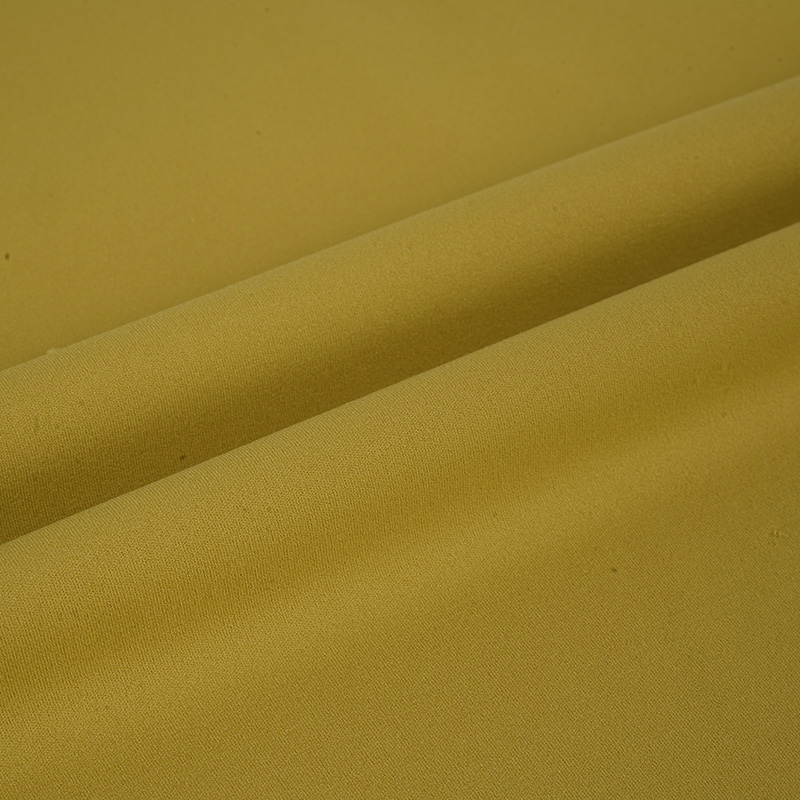
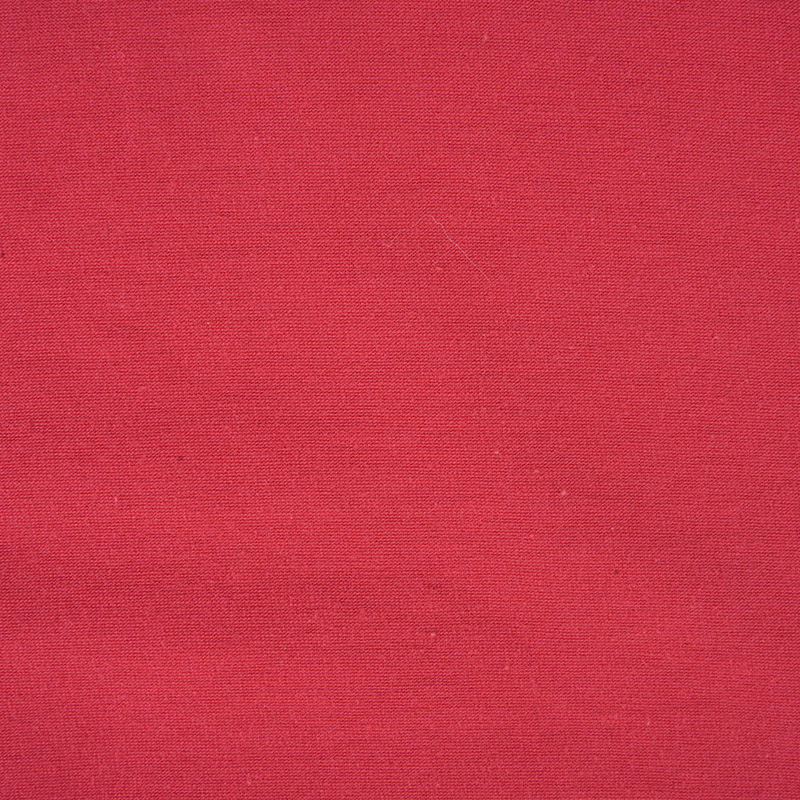
The "soft touch" designation refers to a specific finishing treatment — typically a bio-based enzyme wash, a silicone-based softener finish, or a mechanical brushing process applied after dyeing — that modifies the yarn surface and fabric hand to produce a noticeably smoother, more velvety feel than untreated polyester jersey. This finish is what differentiates this fabric category from standard recycled poly single jersey and is the primary driver of its skin-friendly sensory experience.
The Recycled Polyester Fiber: Environmental Value and Yarn Performance
Recycled polyester (rPET) produced from post-consumer plastic bottles reduces energy consumption by approximately 30–50% compared to virgin polyester production and generates significantly lower CO₂ emissions per kilogram of fiber produced. Each kilogram of rPET fiber diverts roughly 60 to 70 standard 500 ml plastic bottles from landfill or ocean disposal pathways. For brands building sustainability narratives, rPET has the significant advantage of being traceable through third-party certification systems — most notably the Global Recycled Standard (GRS) and the Recycled Claim Standard (RCS) — which allow certified content claims on finished garments.
From a performance standpoint, rPET yarn produced through modern mechanical or chemical recycling processes is functionally equivalent to virgin polyester of the same denier and filament count. The fiber retains polyester's core advantages: resistance to pilling when produced from fine-denier filaments, excellent color fastness under reactive and disperse dyeing, low moisture absorption that keeps the fabric feeling dry during light to moderate physical activity, and good dimensional stability under repeated laundering.
Yarn Count and Fabric Weight Selection
Single jersey made from recycled poly and spandex is produced across a range of yarn counts and finished fabric weights to suit different end uses. Fine-gauge constructions using 30s or 40s count yarn produce lightweight fabrics in the 140–170 gsm range, suitable for fitted T-shirts, sports underlayers, and warm-weather tops. Medium-weight constructions using 20s to 26s count yarn fall in the 180–220 gsm range and are better suited for casual sweatshirt liners, fitted jackets, and mid-layer activewear. The soft touch finish is applied post-construction and works effectively across all weight ranges, though its hand-feel impact is most pronounced in the lighter-weight versions where the fabric contacts skin more directly.
Why the 5% Spandex Ratio Matters for Comfort and Function
Spandex content in a knit fabric has a non-linear effect on performance. At very low levels — 2% or less — the stretch contribution is marginal and primarily affects fabric recovery rather than active stretch amplitude. At higher levels — 8% to 12% — the fabric gains significant compression properties and a more sculpting fit profile, but also becomes denser, heavier, and more costly. The 5% inclusion level is the industry-standard sweet spot for general comfort stretch: it adds enough elastic recovery to prevent bagging at the knees, elbows, and seat area during wear, allows the fabric to follow body movement without restriction, and provides gentle compression that keeps garments looking fitted throughout the day without feeling constrictive.
Specifically, a well-constructed recycled poly 5% spandex single jersey should deliver 30–50% two-way stretch (crosswise, perpendicular to the knit direction) and 15–25% lengthwise stretch, with recovery rates above 90% after repeated extension cycles. These values make it appropriate for fitted silhouettes in casual and activewear, where the garment must return to its original dimensions after each movement cycle to maintain shape and appearance over the garment's lifetime.
Spandex and the Skin-Contact Experience
Spandex fibers, when present at 5%, also contribute positively to the skin-contact experience beyond their mechanical stretch function. The elastic fiber adds a subtle cushioning quality to the knit structure, reducing the sensation of individual yarn loops pressing against the skin — a characteristic sometimes called "prickling" in coarser knit constructions. Combined with the soft touch finishing treatment on the polyester component, the result is a fabric surface that feels consistently smooth and comfortable even during prolonged skin contact, making it well suited for applications such as fitted base layers, yoga tops, and sleep garments where skin sensitivity is a primary consideration.
Soft Touch Finishing: How It Is Achieved and What It Does
The phrase "soft touch" is not simply a marketing descriptor — it refers to specific physical or chemical modifications made to the fabric surface after construction and dyeing. The three most common methods used in producing soft touch recycled poly single jersey are silicone softening, enzymatic treatment, and mechanical raising, each of which achieves a different type of surface modification.
- Silicone softening: An amino-functional or hydrophilic silicone emulsion is padded onto the fabric and cured with heat. The silicone deposits a thin lubricating layer over each fiber, significantly reducing inter-fiber friction and creating a silky, fluid hand. This is the most widely used method for polyester knits and produces the most durable softness effect through repeated laundering.
- Enzymatic bio-polishing: Cellulase or protease enzymes are used to lightly etch the fiber surface at a microscopic level, removing surface fuzz and micro-fibrils that cause roughness and pilling. The result is a cleaner, smoother yarn surface that reflects light more uniformly and feels finer to the touch. This method is particularly effective on recycled polyester yarns, which can have slightly rougher surface profiles than virgin polyester due to the recycling process.
- Mechanical raising or emerizing: The fabric surface is lightly abraded using emery rollers or diamond-coated cylinders, raising short fiber ends to create a peach-skin or suede-like surface texture. This gives the fabric a matte appearance and an extremely soft, dry hand, though it slightly reduces abrasion resistance and requires careful process control to avoid thinning the fabric structure.
In premium soft touch single jersey, two or more of these finishing steps are often combined to maximize hand-feel quality. A typical sequence might apply silicone softener after dyeing, followed by light emerizing to add a peach-skin texture while maintaining the lubricating silicone layer within the fabric structure.
Performance Comparison: Key Fabric Specifications at a Glance
The following table provides a practical reference for the typical specification range of recycled poly 5% spandex soft touch single jersey across its common product grades.
| Specification | Lightweight Grade | Mid-Weight Grade | Heavy Grade |
|---|---|---|---|
| Fabric Weight (gsm) | 140–165 | 170–210 | 215–260 |
| Composition | 95% rPET / 5% Spandex | 95% rPET / 5% Spandex | 95% rPET / 5% Spandex |
| Crosswise Stretch | 40–55% | 35–50% | 30–45% |
| Stretch Recovery | >90% | >90% | >92% |
| Typical End Use | T-shirts, base layers, lingerie shells | Activewear, casual tops, yoga wear | Outerwear liners, fitted jackets |
| Wash Durability (cycles) | 30–40 | 40–60 | 50–80 |
Ideal Applications Across Apparel Categories
The combination of skin-friendly hand, stretch comfort, and recycled credentials makes this fabric suitable across a broader application range than many single-category technical fabrics. Its versatility is a key reason for its growing adoption by brands that want one certified sustainable base fabric that can serve multiple product lines simultaneously.
- Activewear and athleisure: Fitted sports T-shirts, running tops, studio tops, and yoga tanks benefit directly from the fabric's stretch recovery and moisture management. The soft touch surface minimizes chafing at collar edges and underarm seams during repetitive movement.
- Casual and lifestyle tops: The clean drape and refined surface of soft touch single jersey elevate it above basic polyester jersey for casual shirts, lightweight blouses, and contemporary knitwear pieces where aesthetics and comfort are equally weighted.
- Intimate apparel and sleepwear: The peach-skin hand of emerized soft touch versions is directly comparable to modal or micro-modal in feel, making it an appropriate sustainable alternative for sleep tops, lounge sets, and bralette shells where prolonged skin contact is inherent to the garment's function.
- Children's and sensitive-skin garments: Pediatric and sensitive-skin garments often carry strict requirements for surface softness and hypoallergenic fiber content. Recycled polyester, when dyed with certified low-impact disperse dyes and finished with hypoallergenic silicone softeners, meets these requirements while delivering the stretch ease that makes garments easier for children and caregivers to put on and take off.
- Sustainable capsule collections: Brands building GRS-certified capsule lines can use this fabric as a certified-content base for multiple garment types within the same collection, streamlining certification overhead while maintaining a consistent material story across the range.
Care, Washing, and Longevity Considerations
Maximizing the service life of recycled poly 5% spandex soft touch single jersey requires care practices that protect both the spandex elastic recovery and the soft touch surface finish. Incorrect laundering is the primary cause of premature deterioration in this fabric category.
- Wash at 30°C or 40°C maximum: High temperatures above 60°C degrade spandex fibers progressively, reducing elastic recovery after relatively few wash cycles. Cold or warm washing preserves stretch performance over the garment's lifetime.
- Avoid fabric softener in liquid form: Liquid fabric softeners coat fiber surfaces and interfere with the moisture management properties of the polyester, making the fabric feel wetter and cling more during activity. The soft touch finish from the manufacturing process is more durable and effective than laundry softener.
- Turn garments inside out before washing: This reduces abrasive contact between the outer face of the fabric and other garments or washing machine drum surfaces, preserving the smooth outer surface and reducing micro-fiber shedding from the recycled polyester component.
- Line dry or tumble dry on low heat: Excessive dryer heat accelerates spandex degradation and can cause dimensional distortion in lightweight single jersey constructions. Air drying is the most fabric-friendly option and also reduces the garment's energy footprint during its use phase.
- Use a microfiber laundry bag: To reduce microplastic release into wastewater during washing — a specific concern with synthetic fiber fabrics — washing in a certified microfiber-catching laundry bag such as a Guppyfriend bag captures shed fibers before they enter the water treatment system.
Recycled poly 5% spandex soft touch single jersey represents the current state of the art in sustainable comfort knit fabrics for the apparel industry. Its ability to combine certified recycled content, functional stretch, and a genuinely skin-pleasant surface finish in a single fabric that is scalable, certifiable, and versatile across multiple apparel categories makes it one of the most practically useful sustainable textiles available to designers and manufacturers today.