 English
  Español
  عربى
عربى We are located in Haining City, Zhejiang Province, one of China's famous knitting industrial Bases.
Content
- 1 Introduction to Functional Sportswear Fabrics
- 2 Key Fabric Types for Activewear
- 3 Yoga Fabrics: Comfort and Flexibility
- 4 Swimwear Fabric: Durability and Resistance
- 5 Sportswear Fabrics: Performance and Support
- 6 Sustainable Fabrics: The Role of Recycled Polyester
- 7 Benefits of Using Sustainable Fabrics in Sportswear
- 8 Conclusion
Introduction to Functional Sportswear Fabrics
Functional fabrics play a key role in modern activewear, including yoga, swimwear, and sportswear. These fabrics are engineered to enhance performance, comfort, and sustainability. One of the most notable advancements is the use of sustainable materials like recycled polyester. As more consumers demand environmentally-friendly options, fabric manufacturers are responding with innovative materials that blend performance with eco-consciousness.
Key Fabric Types for Activewear
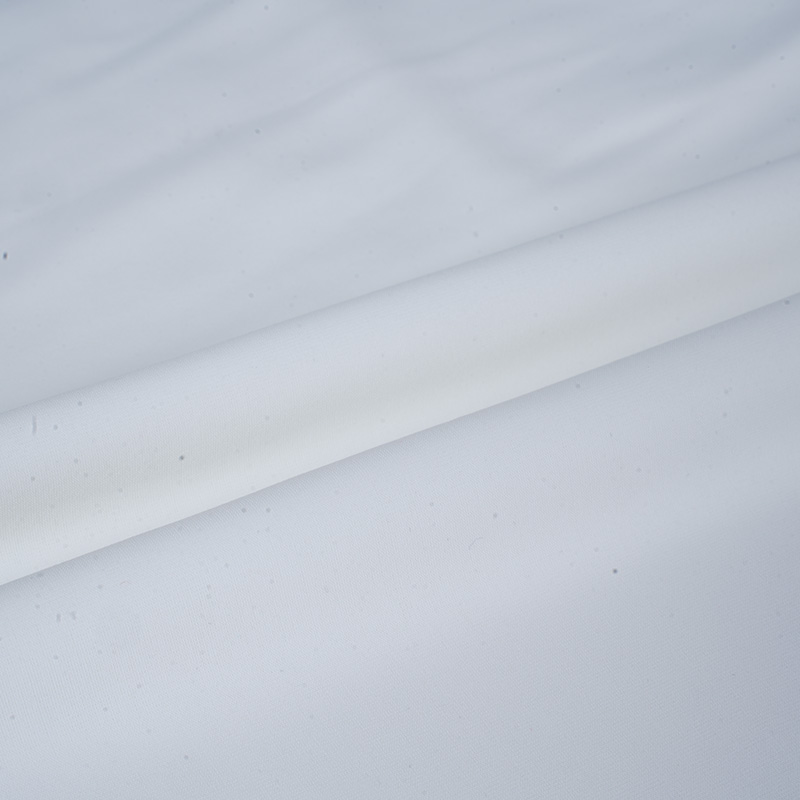
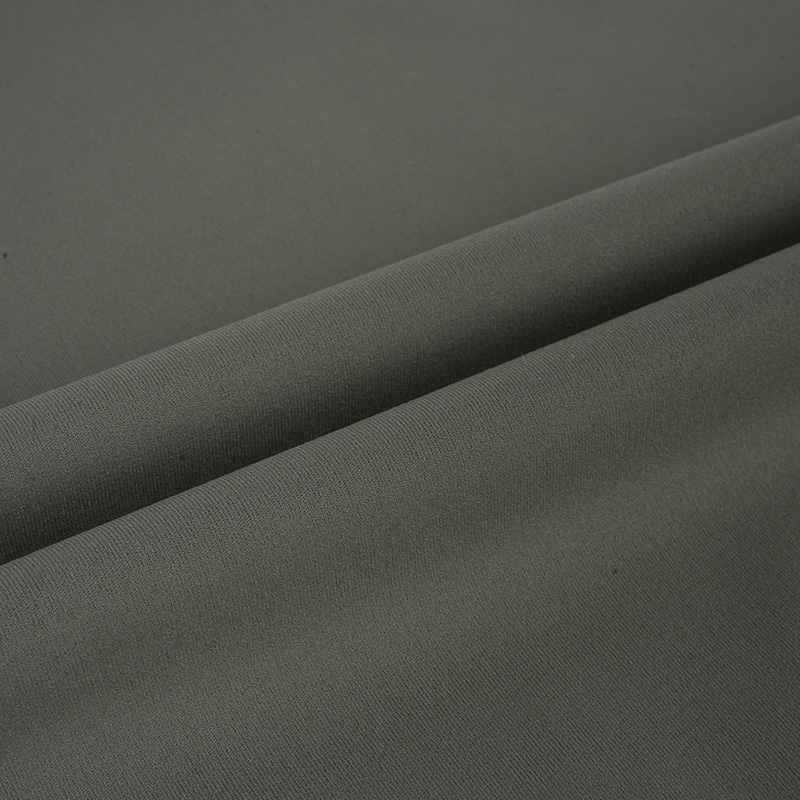
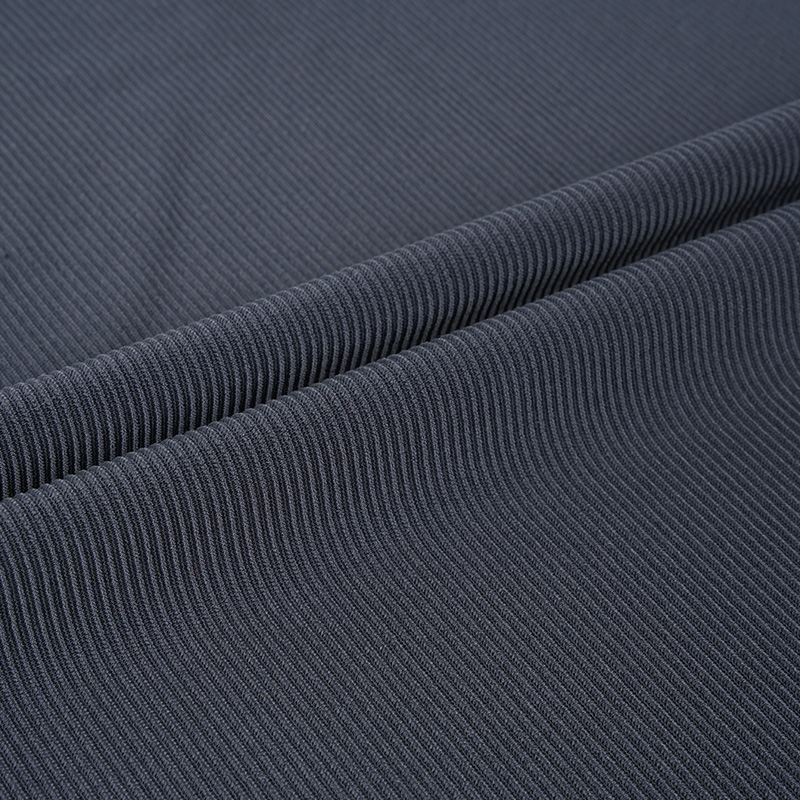
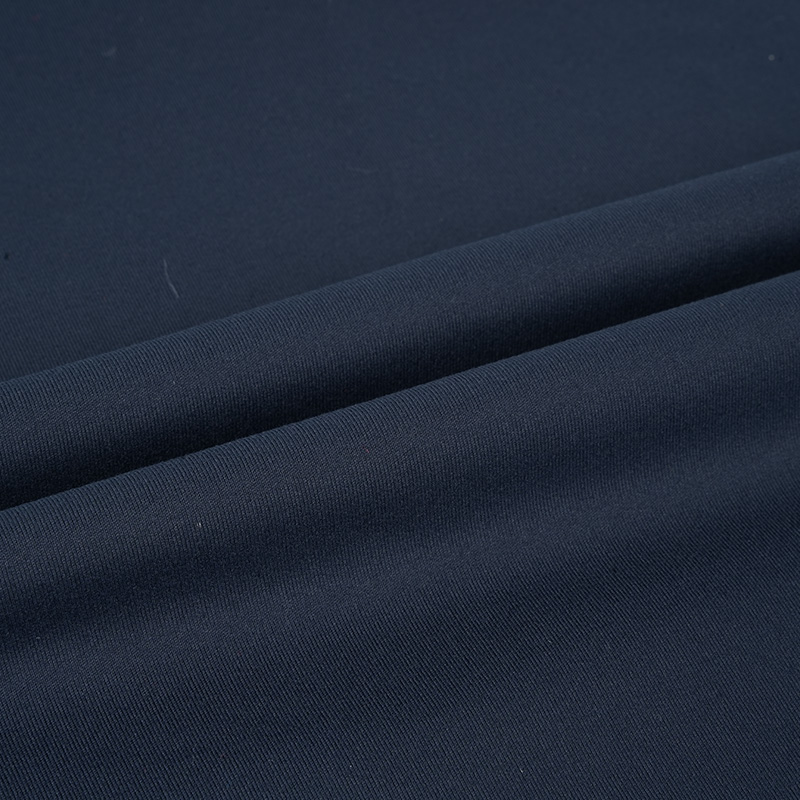
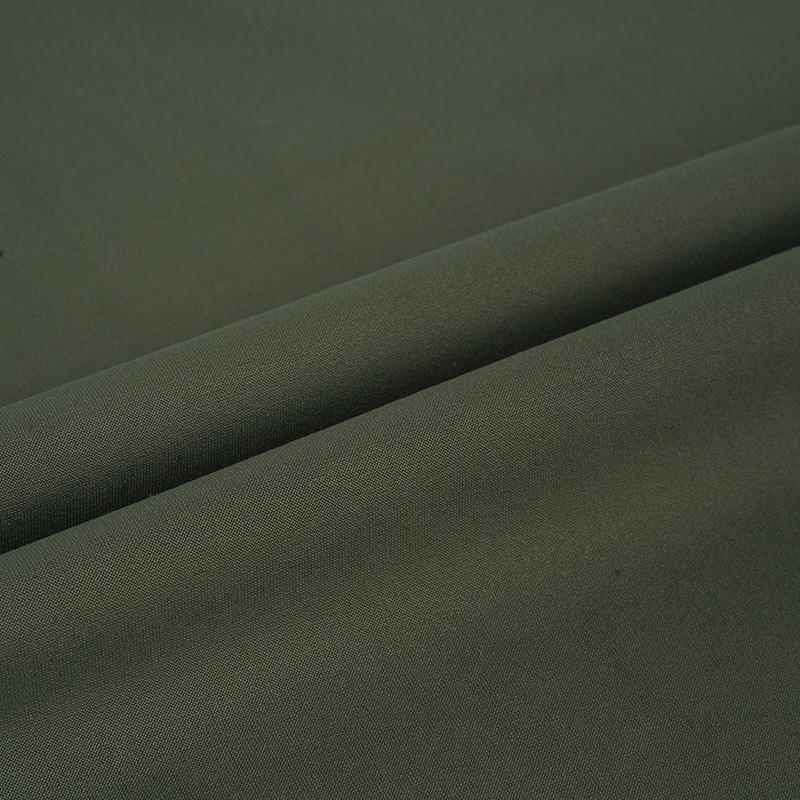
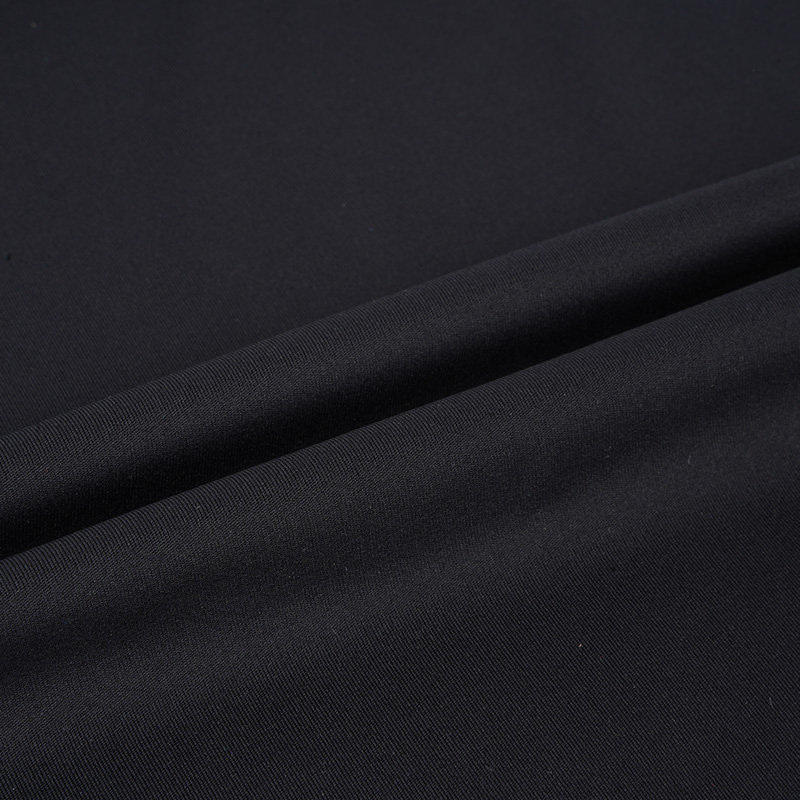
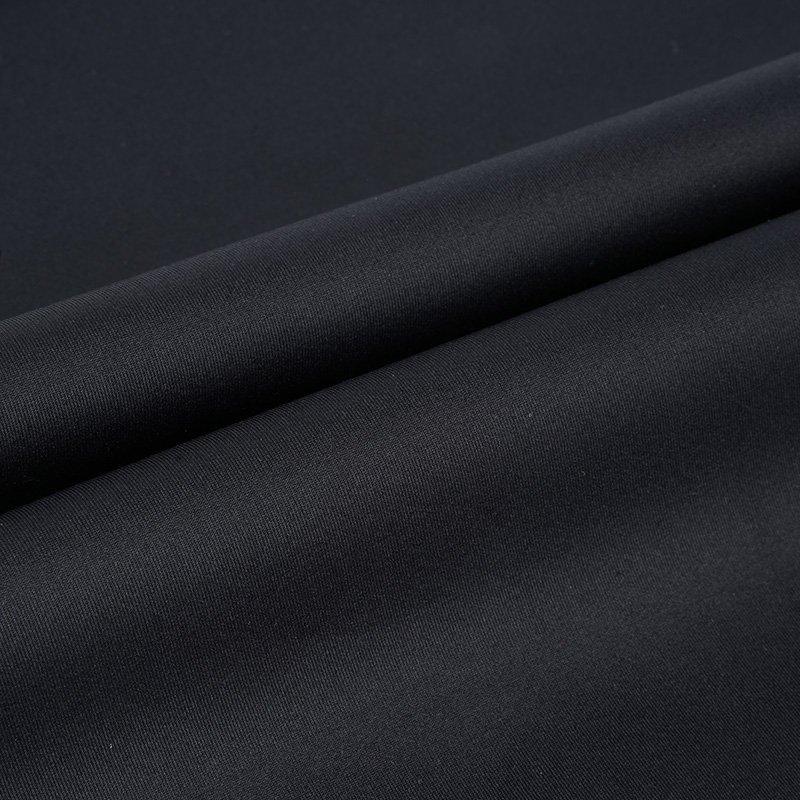
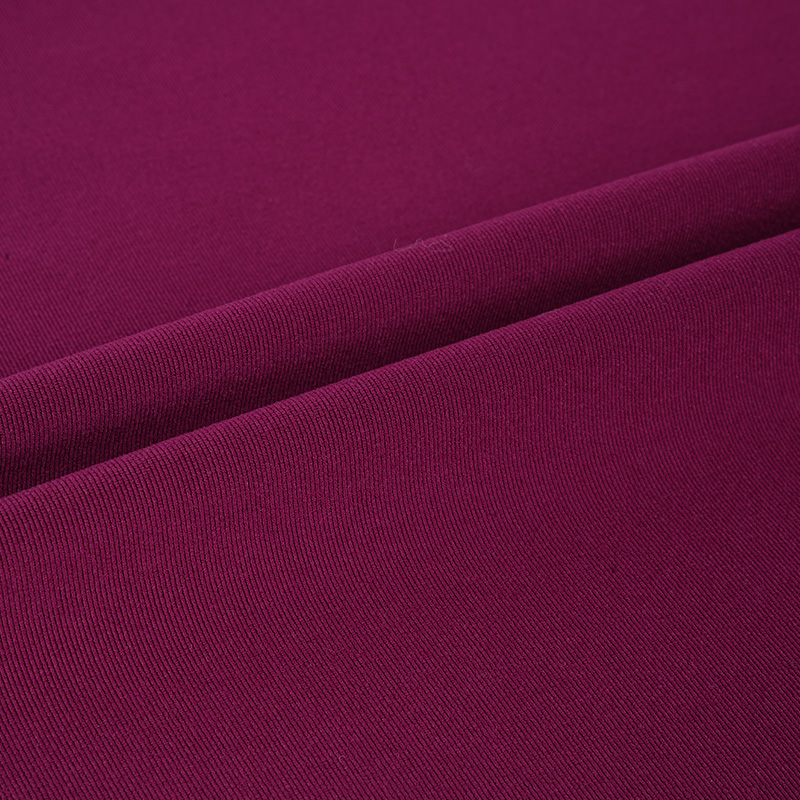
There are several fabric types commonly used in activewear, each tailored to specific functions. The most popular fabrics include:
- Yoga fabric: Soft, stretchy, and breathable for comfort during intense movement.
- Swimwear fabric: Chlorine-resistant and quick-drying, offering durability in water environments.
- Sportswear fabric: Moisture-wicking and flexible, designed to enhance athletic performance.
- Sustainable recycled polyester fabric: Eco-friendly material made from repurposed plastic bottles or textile waste.

Yoga Fabrics: Comfort and Flexibility
Yoga fabrics must prioritize flexibility, breathability, and moisture management. Materials such as spandex, Lycra, and cotton blends are commonly used to meet these needs. These fabrics provide a high level of comfort, allowing for unrestricted movement during poses and stretches. Additionally, the soft texture of yoga fabrics helps reduce skin irritation, allowing users to focus on their practice.
Swimwear Fabric: Durability and Resistance
Swimwear fabric must withstand constant exposure to water, chlorine, and salt. Common materials used in swimwear include polyester and nylon blends, often treated for UV resistance, chlorine resistance, and quick-drying properties. These fabrics help maintain shape and provide comfort even after prolonged use in the pool or ocean. Additionally, advanced swimwear fabrics are lightweight, offering freedom of movement without compromising on support.
Sportswear Fabrics: Performance and Support
Sportswear fabrics are designed for high-performance activities, focusing on moisture-wicking and thermoregulation. Polyester and nylon are popular choices due to their ability to manage sweat and provide breathability. Additionally, elastane is often blended into sportswear fabrics for enhanced stretch, offering greater mobility. Compression fabrics are also increasingly used in athletic wear to support muscles during intense workouts and reduce fatigue.
Sustainable Fabrics: The Role of Recycled Polyester
As sustainability becomes a key concern in fashion, recycled polyester is emerging as a leading material in activewear. This eco-friendly fabric is made from post-consumer plastic bottles or textile waste, helping reduce landfill waste and the environmental impact of new polyester production. Recycled polyester retains many of the functional properties of virgin polyester, including moisture-wicking, durability, and resistance to shrinking and stretching.
Brands like Adidas and Patagonia are at the forefront of using recycled polyester in their activewear collections, demonstrating that sustainability can go hand-in-hand with performance. As demand for green products rises, more manufacturers are likely to explore the potential of recycled polyester and other sustainable fibers.
Benefits of Using Sustainable Fabrics in Sportswear
The use of sustainable fabrics such as recycled polyester offers numerous benefits beyond environmental impact. These materials often come with the added advantage of superior durability, making them a long-lasting choice for activewear. Furthermore, sustainable fabrics typically undergo eco-friendly processing techniques, such as low-water dyeing or minimal chemical usage, which contributes to reducing the environmental footprint of the apparel industry.
The increased availability of sustainable fabrics has also made it easier for brands to maintain a balance between ethical production and performance. As more athletes and consumers seek eco-conscious alternatives, the transition towards sustainable sportswear is expected to continue gaining momentum.
Conclusion
The future of activewear is moving toward a combination of performance, comfort, and sustainability. Whether it's yoga, swimwear, or general sportswear, functional fabrics are evolving to meet the needs of both athletes and environmentally-conscious consumers. Recycled polyester is leading the charge in eco-friendly activewear, offering a durable, comfortable, and sustainable alternative to traditional materials. As the industry continues to innovate, we can expect further advancements in fabric technology that not only improve athletic performance but also promote environmental sustainability.